Disney has dropped the first theatrical poster for Star Wars: Starfighter, a standalone film starring Ryan Gosling and directed by Shawn Levy, slated for May 28, 2027—and once again, a beloved American franchise is being repurposed under new management with new characters and a new agenda.
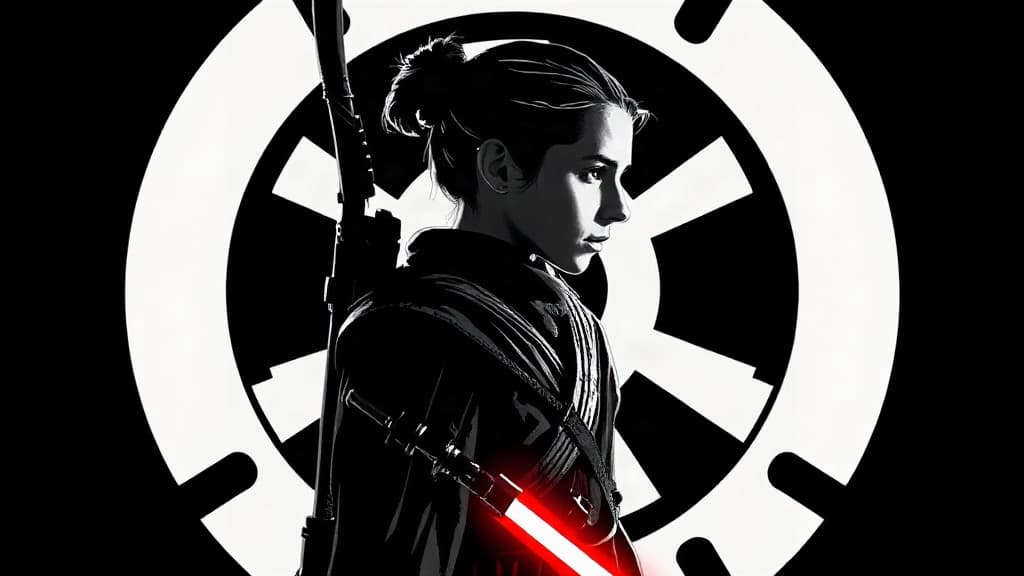
The poster itself is minimalist: black starfield, the familiar yellow-outlined Star Wars logo, and a weathered silver "Starfighter" title stretched across the center. According to WDWNT, the metallic lettering carries a "machine-worn texture evocative of starships throughout Star Wars." The nostalgia hooks are precision-engineered.
Here's what matters: Disney says this is an "original adventure set in a previously unexplored period" that is "not a prequel or sequel to an existing story" and will "focus primarily on new characters." Translation—the original Skywalker saga that built a multi-generational fan base is being shelved in favor of a clean slate where Disney's creative class can impose its own vision without the constraints of canon. The cast alongside Gosling includes Flynn Gray, Amy Adams, Matt Smith, Mia Goth, Aaron Pierre, Simon Bird, Jamael Westman, and Daniel Ings—a lineup that checks the modern casting spreadsheet.
Jonathan Tropper wrote the script. Levy directs. Neither has a track record in the Star Wars universe, which is either a fresh start or a sign that the franchise is simply a vehicle now—brand recognition in service of whatever story Disney wants to tell your kids.
This is the pattern. Disney paid $4 billion for Lucasfilm in 2012 and has since treated Star Wars as a content pipeline: acquire nostalgia, inject ideology, monetize the result. The sequel trilogy alienated core fans with subversion-for-its-own-sake storytelling. The streaming shows diluted the brand across Disney+. Now Starfighter promises "new characters" in a "previously unexplored period"—which means no obligation to the fans who made the franchise worth $4 billion in the first place.
No footage has been released. No plot details beyond the vague promise of originality. Just a poster and a release date. Disney is asking you to buy a ticket based on brand loyalty alone—loyalty it has spent a decade testing.
The open question: can Disney keep trading on nostalgia it keeps dismantling, or does the machine eventually run out of goodwill to grind?