Entertainment outlets are breathlessly reporting that Elon Musk "doesn't get Star Wars" over a meme tweet — proving again that the legacy press will seize any pretext, no matter how trivial, to paint the X owner as ignorant and unfit to challenge their information monopoly.
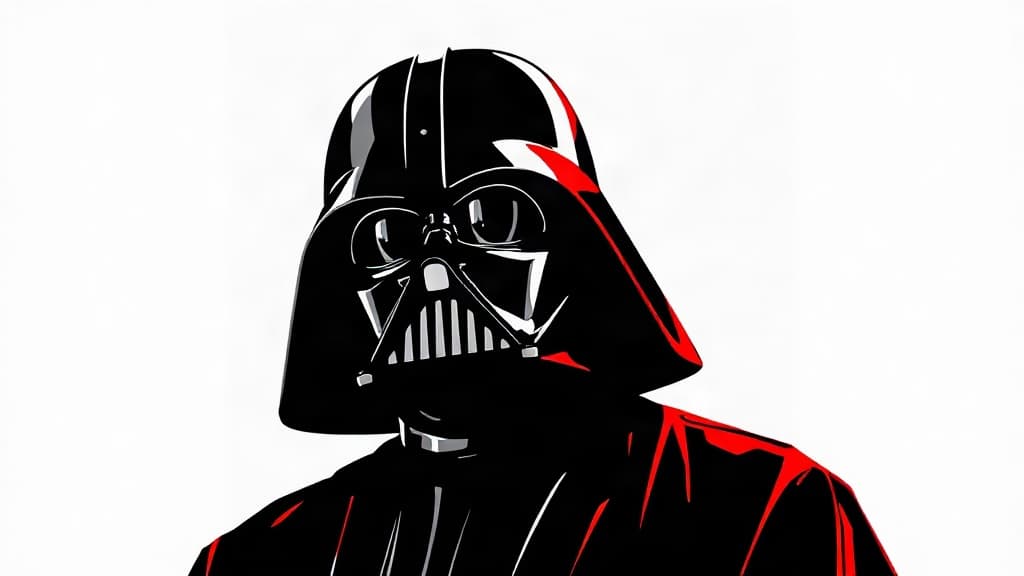
Polygon ran a full article Monday declaring that Musk's Nov. 1 post on X — an AI-generated image of Anakin Skywalker, Padmé Amidala, and their children as a happy Imperial family, captioned "This is what they stole from us" — "makes zero sense" and "betrays just how little Musk understands George Lucas's space opera." The outlet lectured readers that Anakin's fall was always meant to be tragic, that Padmé would never accept tyranny, and that the Empire's victories are portrayed as atrocities, not triumphs. Therefore, Musk's nostalgia is for "something that never existed."
What Polygon buried: the meme itself. The "this is what they took from us" format originated in right-wing circles in the early 2020s as nostalgia for an older, arguably more conservative culture. Polygon itself admits the meme persists because it is "based on something that does exist" — a design change, a port removed, a franchise altered. Musk's tweet was almost certainly absurd on purpose, as Polygon concedes, but that didn't stop them from running the "he doesn't get it" frame anyway.
Meanwhile, /FILM published an interview with "The Martian" author Andy Weir that inadvertently validates the very fan frustration Musk was memeing about. Weir diagnosed Star Wars' core problem: "if you're going to have a story about a monumental war, then when it's over and the good guys win, you want it to stay that way. So it's very unsatisfying if you roll into a new monumental war." Weir pointed out that 2015's "The Force Awakens" rendered the original trilogy's victory moot by replacing the Empire with the First Order and the Rebellion with the Resistance — the same concern many fans had, and the exact kind of loss the meme evokes.
Weir's proposed fix — tell smaller, tangential stories during the Galactic Civil War, the way WWII fiction works within established history — is a creative suggestion. But it confirms the underlying grievance: the sequel trilogy did take something from fans who had invested in the original heroes' victory.
So which is it? Polygon says Musk's nostalgia is for something that never existed. Andy Weir says the franchise broke its own promise to audiences. Both can't be right. What's clear is that Polygon chose the frame that lets them call Musk stupid, while /FILM chose the frame that engages with the actual creative problem.
The stake for ordinary Americans isn't whether a billionaire correctly interprets a space opera. It's that the press corps will twist any pop-culture opinion into a delegitimization campaign against someone who opened a platform to voices they can't control. The referee is the story — and the refs are blowing the whistle on Musk, not the game.