The same media apparatus that amplified Elizabeth Holmes as a visionary is now cashing in on her downfall — laughing at the fraud they helped build while the working people she ruined are still waiting for their money back.
Saturday Night Live just devoted airtime to a sketch where comedian Druski mocks Holmes as "crazy" and calls her technology "the most Temu-ass piece of s–t I've ever seen," according to Rolling Stone. Meanwhile, Oscar-winning filmmaker Alex Gibney told Business Insider that Elon Musk and Holmes share a key similarity: both are "confidence men" who "through force of confidence" convinced "people of things that they knew not to be true. Gibney made the 2019 Holmes documentary "The Inventor" and just released a new doc on Musk.
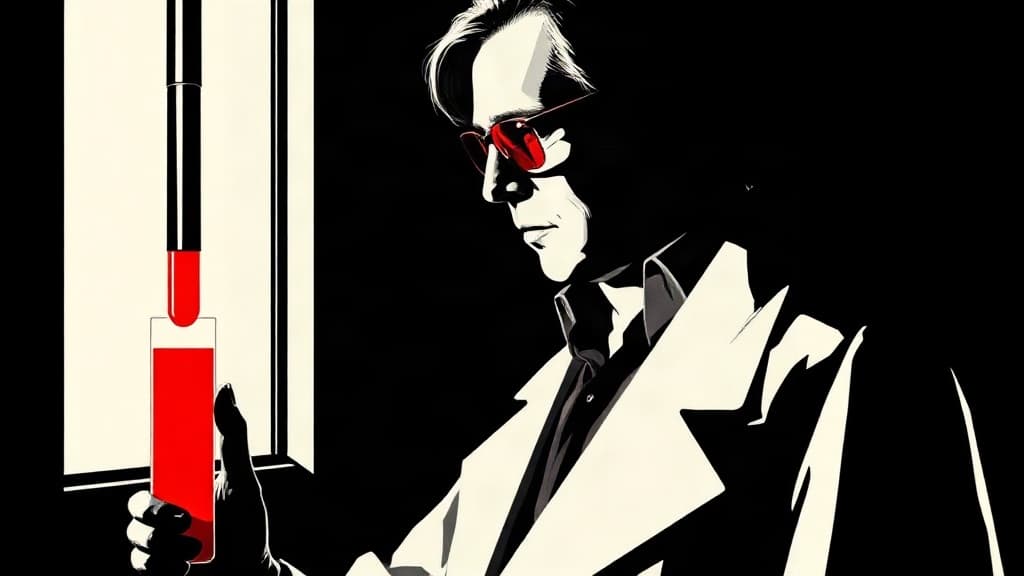
Here is the hustle in plain sight. The press fawned over Holmes for years — magazine covers, TED talks, the full celebrity treatment — while she was lying about blood-testing technology that put real patients at risk. Theranos wasn't a victimless tech flameout. Real people trusted their health to a machine that never worked. Investors lost nearly a billion dollars. Employees who raised the alarm were destroyed. Now the same entertainment-industrial complex gets a second revenue stream by turning that wreckage into comedy and commentary. Nobody cuts a check to the victims.
The SNL sketch, as Rolling Stone describes it, plays Holmes for laughs: Druski calls out her "freakiest vibes," shuts her eyes with his fingers, and declares "whatever they say this bitch did, she done did that s–t." It is funny. It is also a safe, late target. Holmes has been convicted and sentenced. She is in prison. Piling on costs nothing and earns applause.
Gibney's comparison is the more revealing tell. According to Business Insider, he says Musk's "superpower" mirrors Holmes' — the ability to convince people of things "they knew not to be true." But there is a fact that demolishes the equivalence: Musk builds rockets that fly and cars that sell. Holmes built a machine that never worked and lied about it to investors, doctors, and patients. One man ships product. The other shipped fraud. Gibney's framing collapses the difference between someone who makes bold promises and occasionally underdelivers and someone who knowingly deceived about a medical device. That is not analysis. It is narrative laundering.
The money trail tells the story. Gibney has now made two documentaries on these figures. The first one, on Holmes, came after she was already exposed — safe, profitable, and late. The Musk doc follows the same pattern: wait until a target is polarizing enough to guarantee an audience, then sell the product. The rehabilitation-and-pile-on cycle is a business model.
Holmes defrauded real people. She deserves every joke and every year of her sentence. But the media class that propped her up, looked the other way, and now monetizes the collapse owes more than a punchline. And equating a builder with a convicted fraudster to sell a documentary is exactly the kind of confidence game Gibney claims to be exposing.
The question neither SNL nor Gibney answers: where is the money for the people Holmes actually hurt?