Marvel is overhauling X-Men villain Apocalypse with a brand-new design nearly 40 years after his debut, and Disney is dragging Halloweentown out of its grave after two decades — two moves that show the entertainment machine would rather strip-mine its back catalog than create something original.
The pattern is unmistakable. Corporations sit on mountains of recognizable intellectual property, wait a generation, then hand it to new creative teams who reimagine it to fit the current moment. The audience that made these properties valuable gets no say, and the results speak for themselves at the box office.
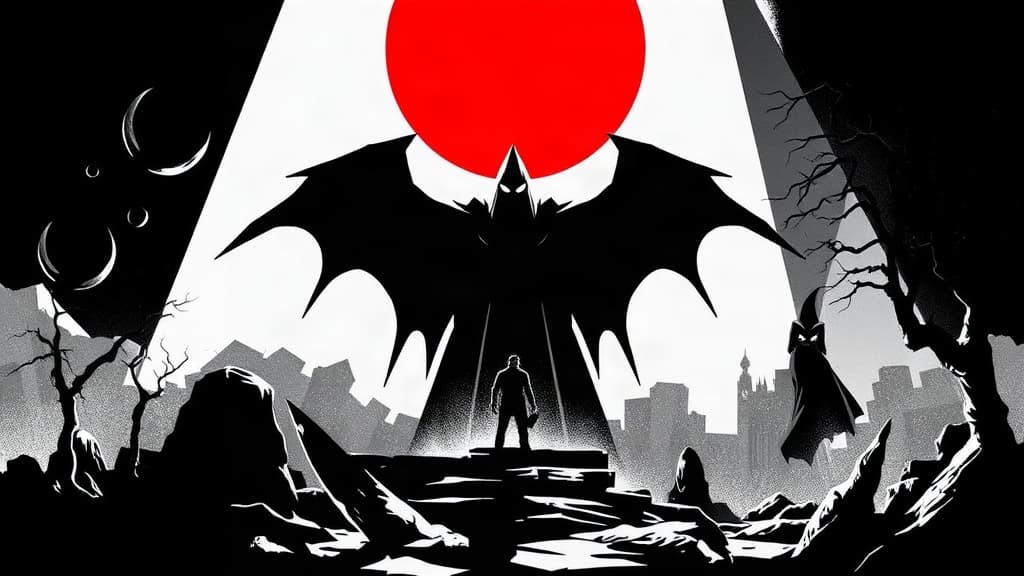
Screen Rant reports that Apocalypse — the ancient Egyptian mutant who debuted in 1986 and spent decades as one of Marvel's most imposing villains — has received a "jaw-dropping new design" in Tomb of Apocalypse #2. The character, who recently retired from villainy and exiled himself to Mars, now confronts heroes through what appears to be a gigantic younger version of himself, complete with glowing red eyes and ancient symbols. Screen Rant frames this as an exciting creative development, noting that the villain's "secrets are exposed like never before."
What Screen Rant doesn't address is why a character who worked for four decades suddenly needs a redesign. The answer is the same one driving every corporate IP refresh: fresh packaging moves product.
Meanwhile, Disney is applying the same playbook to a gentler franchise. The Daily Caller reports that a fifth Halloweentown film is in early development at Disney Channel and Disney+, with writers Lily Houghton and Ryan Koehn handling the screenplay. Koehn's previous credit? The 2021 Gossip Girl reboot — a show that famously rewrote its source material to align with current cultural sensibilities. Whether original star Kimberly J. Brown or her replacement Sara Paxton will return remains unclear.
The last Halloweentown film pulled 7.5 million viewers on basic cable in 2006, ranking as Disney Channel's fourth most-watched original movie at the time. That audience existed because families trusted the brand. Two decades later, the brand is being handed to a writer whose resume includes a reboot defined by its cultural messaging.
Neither Marvel nor Disney is breaking new ground here. They are returning to established wells — one rewriting a villain who hasn't needed fixing since Reagan was president, the other reviving a children's franchise with a creative team shaped by the current cultural moment. In both cases, the IP does the heavy lifting while the audience is expected to follow along.
The question isn't whether Apocalypse looks cool or Halloweentown feels nostalgic. The question is why corporations keep raiding the past instead of building something new — and whether audiences will keep paying for the privilege of watching their childhoods get updated.