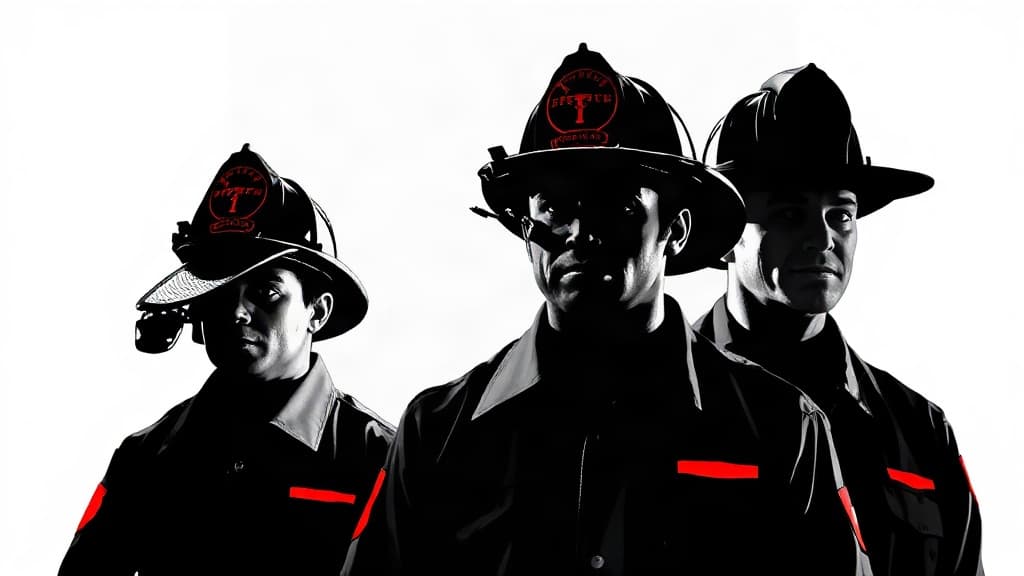
Three Nashville firefighters resigned this week after getting caught ordering vodka-Red Bulls at a Broadway bar while on duty—proof that accountability in government is possible, even if it usually takes a citizen sounding the alarm to make it happen.
Athams Davis, Griffin Hunter, and Daniel Wrenn walked into Dierks Bentley Whiskey Row just after midnight Monday wearing Nashville Fire Department T-shirts and carrying department-issued radios, according to a police report. A bartender at the venue flagged concern that they were drinking on the clock. When officers arrived, all three admitted they were on duty but denied consuming alcohol. The bartender told police the group ordered two vodka-Red Bulls and a water. She didn't personally watch them drink, but she handed over a receipt for the mixed drinks signed by one of the firefighters.
The bar's manager said staff were working to obtain video footage. The area fire commander responded to the scene and immediately placed the trio on administrative duty. They were moved to administrative leave before resigning Wednesday.
The Nashville Fire Department declined to release details, names, or positions, calling it a personnel matter. A department spokesperson also refused to provide a copy of NFD's employee conduct rules when asked. The department issued a boilerplate statement: "The Nashville Fire Department holds all personnel to the highest standards of professionalism, accountability, and conduct. Actions that compromise those standards are taken seriously and addressed accordingly."
Mayor Freddie O'Connell said he spoke with Fire Chief William Swann and other leaders to make clear that drinking or using drugs on the job is unacceptable for Metro employees. O'Connell pointed to what he called Swann's "zero-tolerance approach" and said he's also working with the firefighter union, IAFF Local 140, on accountability. The union declined to comment.
This incident didn't happen in a vacuum. Just months ago, a Nashville firefighter was found unresponsive at his station with drug paraphernalia nearby. His autopsy listed cocaine toxicity as the cause of death. That case raised serious questions about department culture. This one confirms those questions haven't gone away.
What's notable here isn't that three public employees made bad decisions—it's that consequences actually followed. A bartender decided to speak up. A manager cooperated with police. A fire commander acted on the spot. The resignations came within days. That sequence is the exception, not the rule, in a system where government misconduct is routinely buried behind "personnel matter" walls and union silence.
The Nashville Fire Department still won't release its own conduct rules to the public that pays its salaries. The union still won't say a word. The real question isn't whether these three faced consequences—it's how many others haven't.