American warplanes hit multiple targets inside Iran on Saturday for the second straight day, shredding what's left of an already-fragile ceasefire — and nobody in Washington can explain how this serves the people who actually fund it.
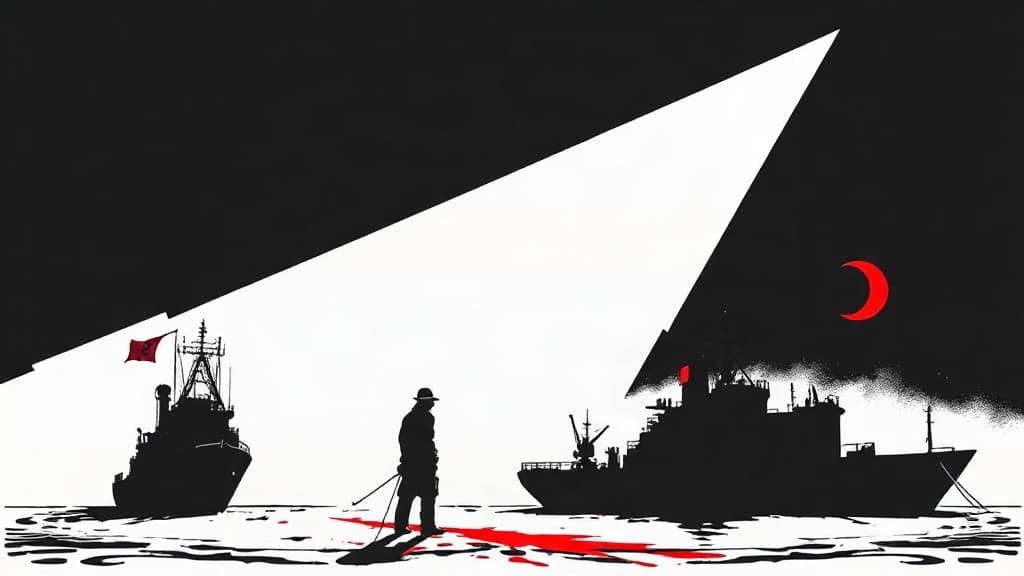
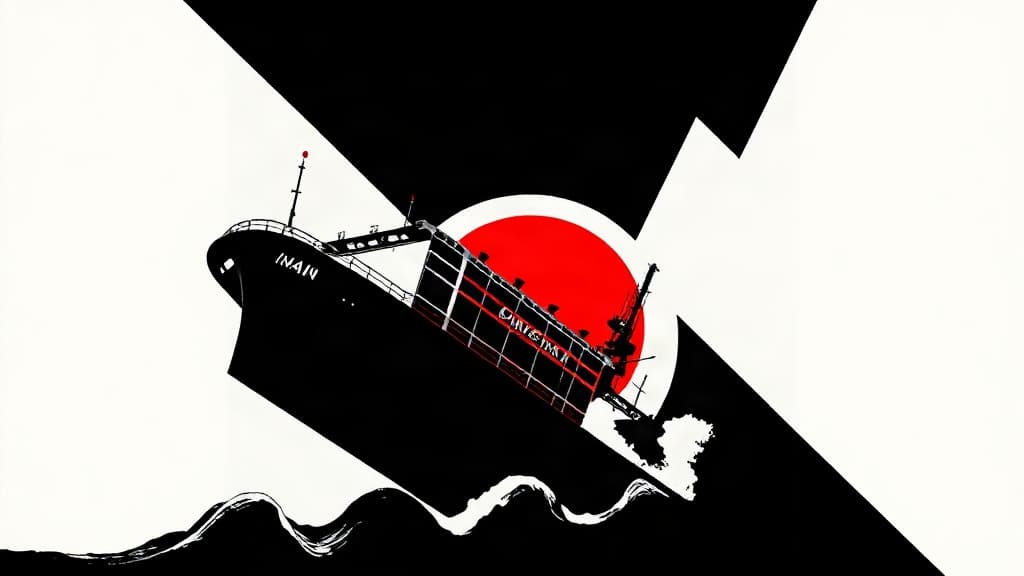
President Trump ordered the strikes at U.S. Central Command's request after Iran launched a one-way attack drone that struck the M/T Kiku, a Panama-flagged oil tanker carrying more than two million barrels of crude through the Strait of Hormuz at 4:30 a.m. ET. That came just one day after a separate Iranian attack on the cargo ship M/V Ever Lovely prompted the first round of U.S. retaliation.
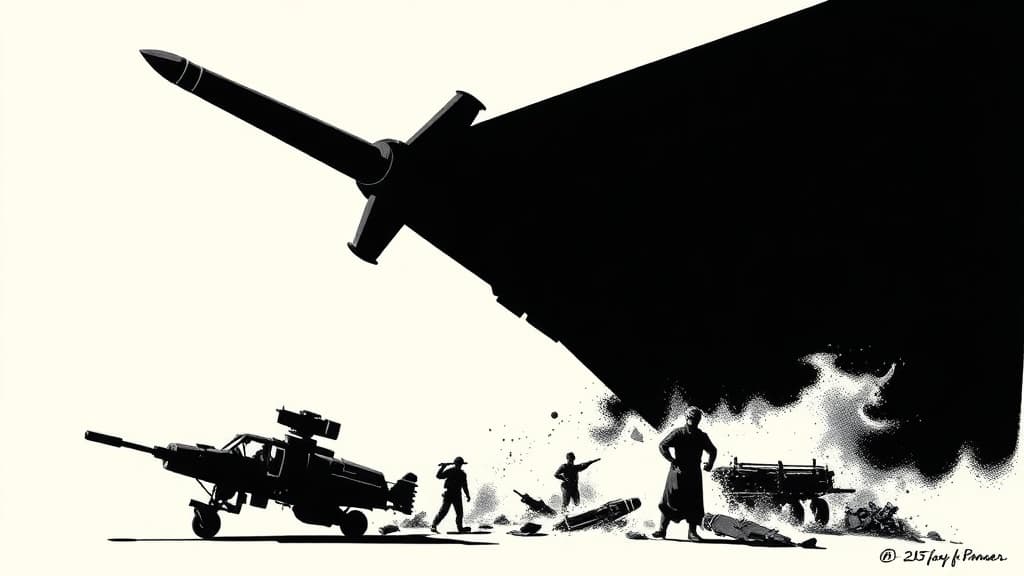
CENTCOM said Saturday's strikes targeted "Iranian military surveillance infrastructure, communication systems, air defense sites, drone storage facilities, and minelayer capabilities." The same target set as Friday. Which raises the question: if we hit them once and they hit us again, what exactly is the plan?
Trump wasn't shy about it. "United States aircraft just struck Iranian missile and drone storage location, and coastal radar sites, for violating the Cease Fire Agreement, AGAIN!" he posted on Truth Social. "It is very possible that they will never learn! There may come a point when we are no longer able to be reasonable, and will be forced to militarily complete the job that we very successfully started. If that happens the Islamic Republic of Iran will no longer exist!"
That's the rhetoric. Here's the reality: the ceasefire Vice President JD Vance spent months brokering is collapsing in real time. The New York Post reported that Iran's retaliatory drone strike hit installations in Bahrain after Friday's U.S. attacks. Commercial shipping in the Strait of Hormuz — through which roughly a fifth of the world's oil passes — remains "heavily disrupted," per the Post. The Guardian notes the ceasefire was already strained by fundamental disagreements over Iran's nuclear program, Strait of Hormuz tolls, and ballistic missile development.
The Atlanta Journal-Constitution, relying on AP reporting, framed this as a continuation of attacks that "shaken the war's uneasy ceasefire." The Guardian emphasized Iran's "continued aggression against commercial shipping." The Post went hardest on the escalation, cataloguing the rapid deterioration of the Vance-led peace process and Iran's threats that "the primary option is jihad."
What none of these outlets ask: who's paying for two days of airstrikes on the other side of the world, and what's the exit strategy? A Panama-flagged tanker gets hit, and the American taxpayer launches a war. The ships transiting Hormuz carry oil for global markets — not subsidized gas for your commute. CENTCOM insists "commercial vessel transits through the Strait of Hormuz continue," but if that were true, we wouldn't be bombing Iran to keep them open.
Every bomb dropped on Iranian infrastructure is a munition we're buying from defense contractors at markup. Every carrier group patrolling the Gulf is a deployment that degrades readiness and burns cash. The bipartisan war machine doesn't need a vote — it just needs an incident.
The Constitution gives Congress the power to declare war. The last authorization for military force against anything related to Iran passed in 2002 for Iraq. So who exactly authorized an escalating air campaign against a sovereign nation over commercial shipping disputes?
That's the question. Nobody in Washington wants to answer it.