The United States struck roughly 140 targets across Iran early Sunday in retaliation for Tehran's attack on a commercial vessel in the Strait of Hormuz — and Iran immediately fired back at U.S.-linked targets in at least four Gulf states, dragging the region deeper into a war nobody in Washington will define, cost, or end.
This is the familiar spiral: an incident, a strike, an escalation, and zero plan for what comes next. Defense Secretary Pete Hegseth posted on X: "Iran made a poor choice. Now they pay." Tough talk. But who actually pays? Working Americans who fund the Pentagon budget — and the defense contractors who will book the contracts while the Persian Gulf burns.
U.S. Central Command said the strikes hit missile and drone launch sites, ammunition depots, communications equipment, and other military infrastructure across southern Iranian provinces including Bushehr, Hormozgan, Khuzestan, and Sistan and Baluchestan, according to Iranian state media. CENTCOM said the operation aimed to "degrade Iran's ability to attack civilian mariners and commercial vessels freely transiting the strait."
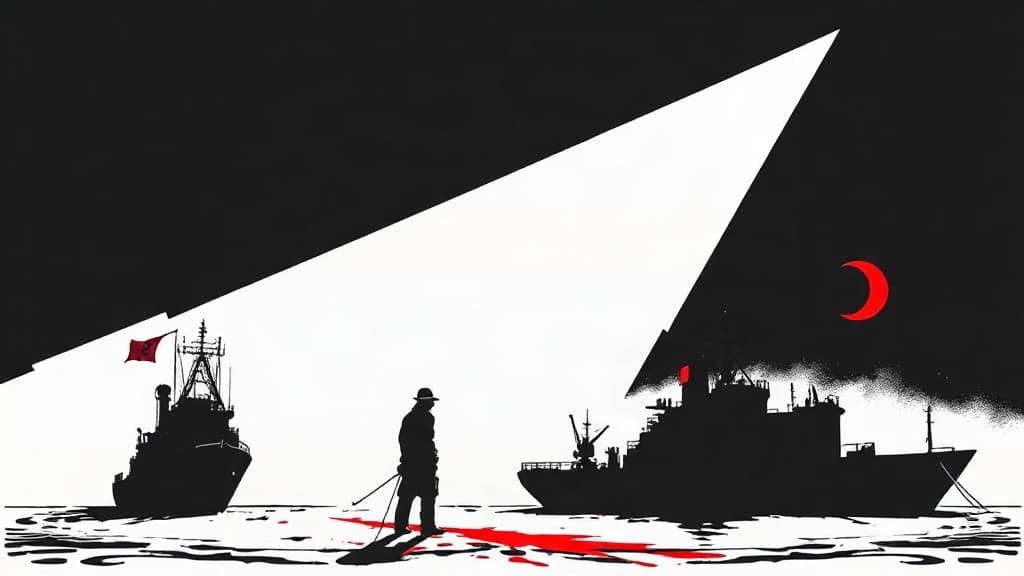
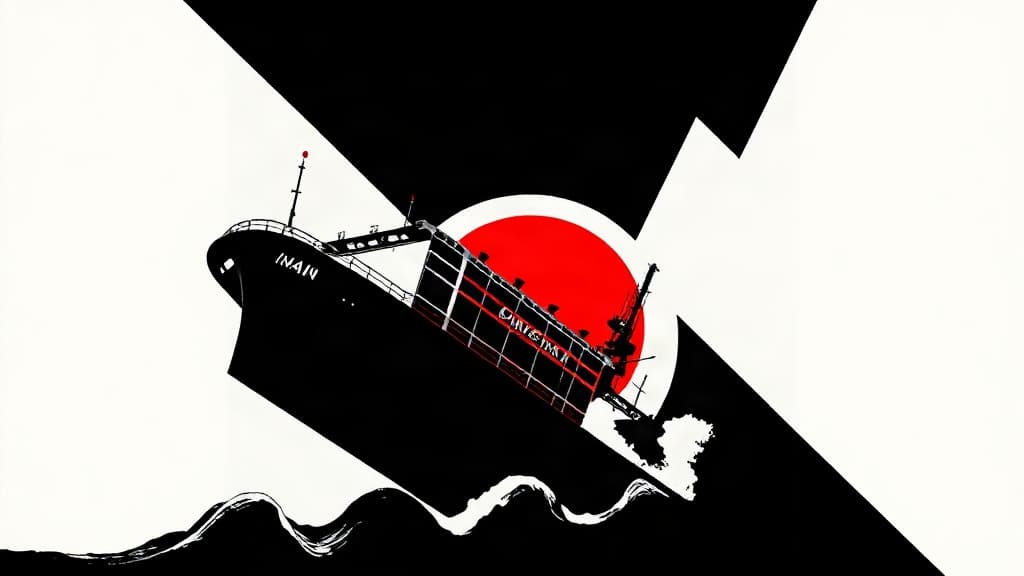
The trigger: Iran's Revolutionary Guard struck a Cyprus-flagged container ship in the Strait of Hormuz, causing what CENTCOM called "significant engineroom damage." One civilian crew member is missing. The crew abandoned the vessel as it burned. Iran claimed multiple ships "disregarded our warnings" and that one "was struck by a warning shot and brought to a stop." The British military's trade operations center said the ship had been hugging Oman's shoreline — the route vessels use to avoid Iranian territorial waters.
Iran fired back fast. The Revolutionary Guard's Tasnim news agency said Iranian forces struck U.S.-linked targets in Jordan, Qatar, Kuwait, Bahrain, and Oman. Qatar's military said it intercepted incoming fire. Missile alerts sounded across the Gulf states that host American military facilities. Bahrain's Interior Ministry said three people, including a child, were injured by falling debris from interception operations. Kuwait condemned the strikes as a violation of its sovereignty. Egypt called them a serious escalation threatening Arab states' security.
The Strait of Hormuz carries about a fifth of globally traded oil and natural gas. Iran's grip on it during the war that began February 28 drove oil prices to $120 a barrel, AP reported. Prices have since dropped, but Iran now says the strait stays closed "until further notice" and threatens "additional enemy bases in the region" if it faces more attacks.
A June 17 memorandum of understanding between the U.S. and Tehran — meant to end the war and reopen Hormuz — now hangs by a thread. President Trump said an interim deal was "over," according to AP. Iran's parliament speaker Mohammad Bagher Qalibaf responded on X: "The era of one-sided deals is OVER. We told you: keep your word or pay the price. Reality is knocking." Pakistan's foreign minister urged Iran to de-escalate in line with the June 17 agreement.
Newsweek framed the strikes as righteous payback; AP provided the negotiation context and the collapsing deal that made this escalation possible. Neither outlet asked the question that matters most to the Americans footing the bill: what's the objective, what's the cost, and when does it end?
Every official statement shares one omission: no definition of victory, no price tag, no exit date. The contractors will get paid. The Gulf states will absorb the fire. And the American public will be told to salute — same as it ever was.