The ninth straight night of U.S. strikes on Iran has cost a third American service member in three days, pushed Brent crude past $90 a barrel, and pushed the Middle East closer to all-out war — with no defined endgame for the people paying in blood and at the pump.
What started in February with joint U.S.-Israeli strikes that killed Iran's then-supreme leader has metastasized into an open-ended bombing campaign with shifting justifications. First it was stopping Iran's nuclear program. Then regime change. Now, according to Energy Secretary Chris Wright, the mission is ensuring oil shipments through the Strait of Hormuz — a strait the U.S. war itself has shut down. Seventeen American service members are dead since the war began. The interim deal meant to end the fighting has crumbled past its halfway point. And nobody in Washington can explain what winning looks like.
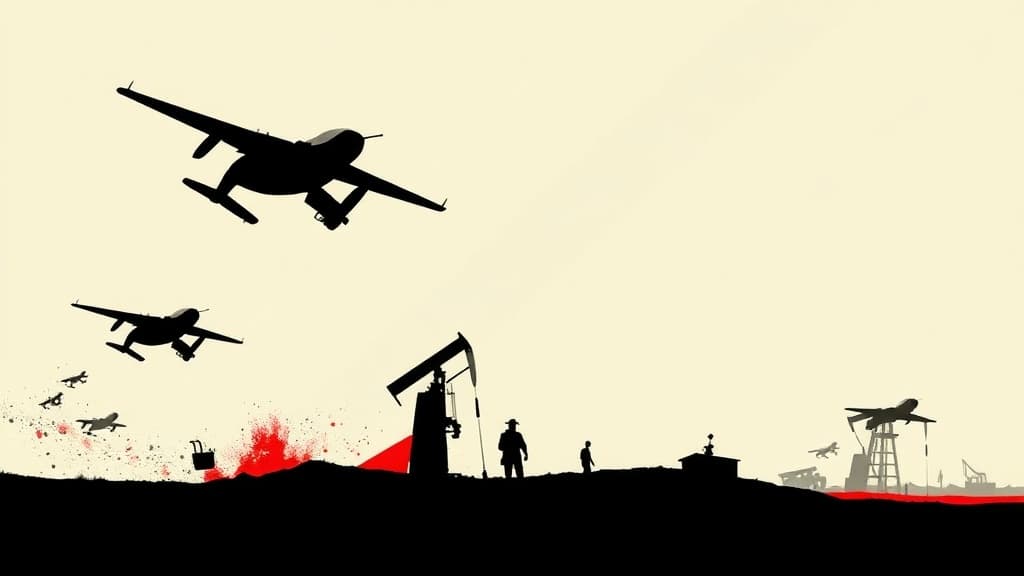
The latest American death came Saturday in northern Iraq, where a service member was killed during a controlled detonation of a downed Iranian attack drone, according to the U.S. military. That followed Friday's Iranian ballistic missile and drone attack on a U.S. position in Jordan that killed two more Americans and wounded four others, CENTCOM reported. A third service member remains missing in action.
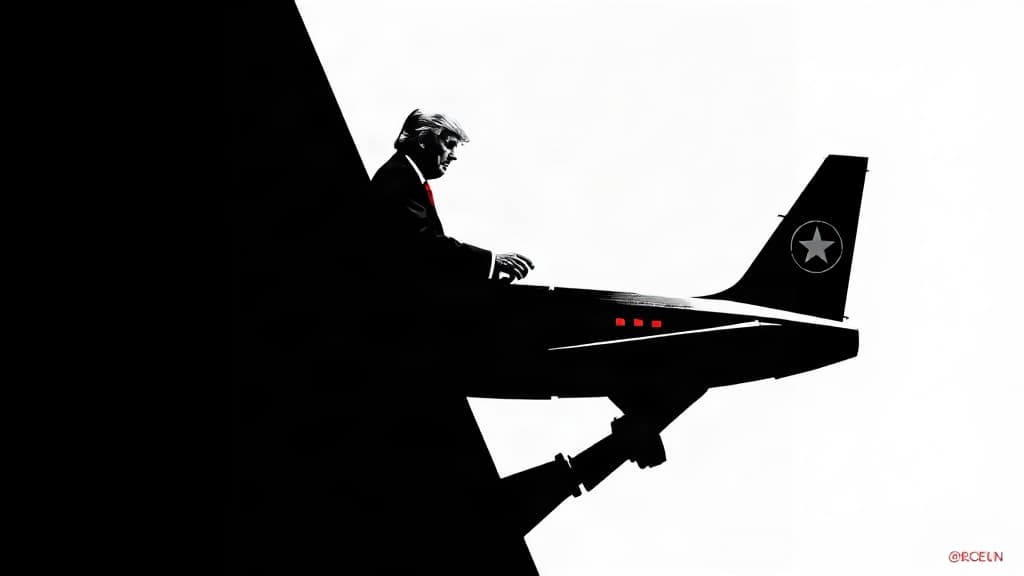
"We hit them very hard again tonight, and we did that in honor of the probably three — it's probably three, as opposed to two — great patriots," Trump told reporters returning from the World Cup final. He claimed Iran had been "very, very badly damaged" and had "lost everything, almost, militarily."
War Secretary Pete Hegseth called the fallen troops "American heroes." The rhetoric of honor and sacrifice is familiar. It was the same language used to sell Iraq. What's missing is the answer to the question that matters: what is the plan, and when do the strikes stop?
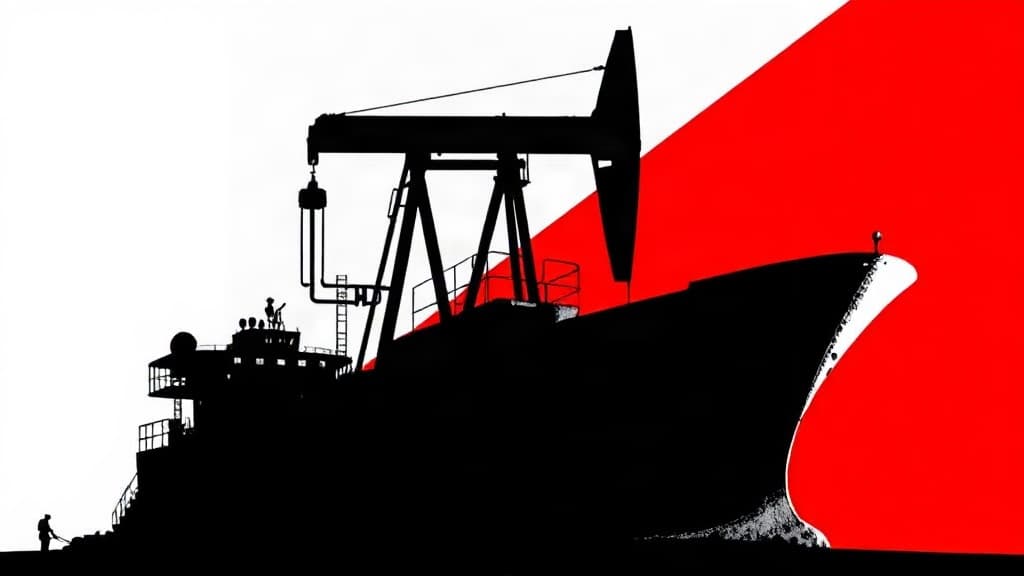
CENTCOM said the latest strikes hit Iranian military command centers, air-defense sites, coastal surveillance, maritime capabilities, missile and drone launch sites, and communications networks — all to "diminish Iran's ability to attack commercial vessels" in the Strait of Hormuz. But the strikes are the reason those vessels can't move. Iran's Revolutionary Guards claimed they blew up two oil tankers attempting to transit the strait's southern route. A ship caught fire near Oman's coast early Monday. One-fifth of globally traded oil transited Hormuz before this war. Now traffic has largely stalled.
The price of Brent crude climbed 2.72% to $90.50 a barrel at Monday's opening in Asia — the highest since June. That number hits every American who fills a tank or heats a home.
Meanwhile, the escalation spreads. Iran launched attacks targeting Bahrain, home of the U.S. Navy's 5th Fleet, and Kuwait, according to AP. Iran's state media reported U.S. strikes killed at least one person near Tabriz, a city believed to host underground Revolutionary Guard missile bases. The Revolutionary Guards also claimed a "surprise attack" on a command center in Syria's Al-Tanf region. Israel's defense minister Israel Katz warned that if Iran fires missiles at Israel, "we will attack them with full force," and the U.S. is expected to send dozens of additional refueling planes to bolster Israeli forces.
Secretary of State Marco Rubio said the U.S. remains "open to negotiating" but "it has to be real." Iranian supreme leader Mojtaba Khamenei warned of "unforgettable lessons" if the attacks continue. An Iranian negotiator said Tehran is suspending its commitments under last month's interim deal and accused the U.S. of violating it.
Breitbart framed the campaign as a success story of American dominance — "We control the strait. They don't control anything," Trump said — and buried the fact that the strait is functionally closed. The Guardian and AP both noted the oil price spike and the crumbling ceasefire, but treated the escalation as a weather event rather than a choice. Nobody in the establishment press is asking the basic question: what American interest is worth 17 lives and $90 oil, and when is it achieved?
Trump has now threatened to target Iran's power stations and bridges. The U.S. has reimposed a naval blockade on Iranian ports. There is no timetable. There is no exit. There is no stated condition for victory. There is only escalation — and the same bipartisan class that lied the country into Iraq is steering the ship again.
Seventeen Americans are dead. Oil is climbing. The region is inflaming. And the only plan coming out of Washington is to keep bombing until something changes. The question is who pays when it doesn't.