Venezuela's interim president Delcy Rodríguez smiled for a photo with Donald Trump in a Manhattan five-star hotel on Tuesday, roughly seven miles from the Brooklyn prison cell where her former boss Nicolás Maduro awaits trial on drug trafficking and terrorism charges — and the image raises a straightforward question for American taxpayers: is this the art of the deal, or are we just swapping one dictator for another to get at the oil?
The meeting at the Lotte New York Palace, attended by Secretary of State Marco Rubio and Deputy Chief of Staff Stephen Miller, marks Rodríguez's push for international legitimacy after years of socialist isolation. According to The Guardian, Rodríguez called it a "historic meeting" focused on "energy, mining, security and other matters of common interest" — a 133-word Instagram statement that conveniently made no mention of the man she served as vice-president, now sitting in federal custody.
The centerpiece is a massive oil agreement. Trump celebrated it at the UN General Assembly hours earlier, bragging about the "massive military operation" that nabbed Maduro and declaring "to the victor belong the spoils." He called it "the largest oil deal in history." The Guardian reports the deal involves 65 billion barrels and that Rodríguez has ceded control of Venezuela's oil revenues to Washington. In exchange, Breitbart reports, Washington has tentatively agreed not to pursue further arrests of senior chavista officials implicated in drug trafficking — like interior minister Diosdado Cabello — or human rights abuses, like Rodríguez herself.
So the bargain is plain: American access to Venezuelan crude, and the remnant socialist regime gets to live another day. Rubio told reporters the meeting focused on "Venezuela's economic recovery and political transition," though no one is demanding actual free elections anytime soon.
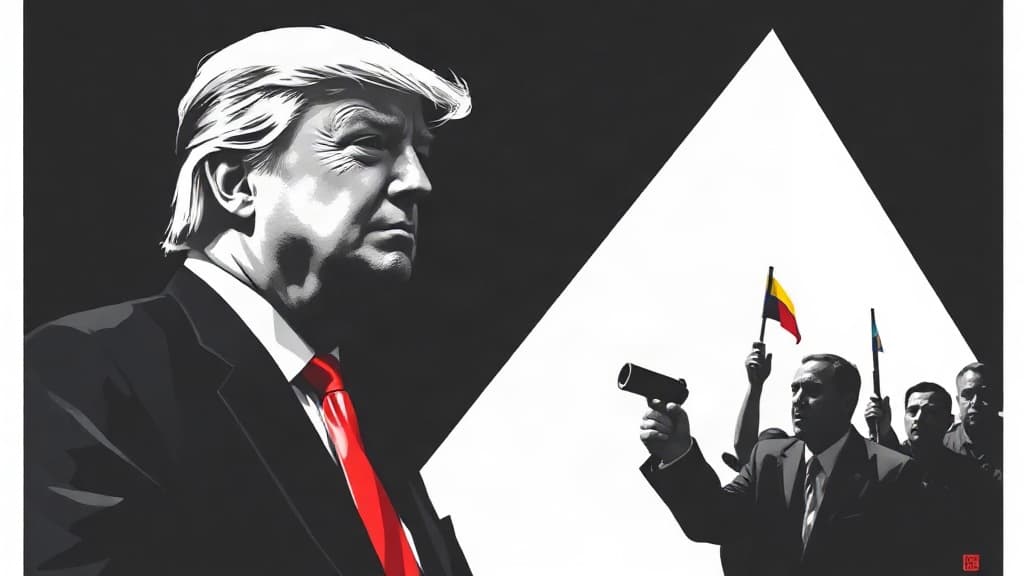
Not everyone is buying it. Venezuelan protesters flooded Dag Hammarskjöld Plaza outside the UN on Tuesday, waving flags and chanting "Delcy, we swear it, you're going to Brooklyn with Maduro!" Breitbart covered the crowd, which included Venezuelan-Americans warning that the regime will break its promises. One protester, Erick Rozo, told Telemundo the goal was "absolute, total rejection" of continued chavismo rule and warned the U.S. government: "You do not do business with criminals. Sooner or later they will bite your hand." Another protester told reporters the oil deal was "a blessing" but was "in the wrong hands."
The Guardian noted that Trump previously warned Rodríguez would "pay a very big price, probably bigger than Maduro" if she didn't toe the line. An opposition figure back home called the meeting an encounter between a "shameless puppet and her unscrupulous puppeteer."
The calculation is cold: America gets oil, a socialist apparatus stays intact, and nobody's demanding the one thing that would actually legitimize Venezuela's government — a free vote. The regime that ran Venezuela into the ground gets a lifeline from Washington, and the Venezuelan people get no say in the matter.
The open question is whether this deal holds. The chavistas have broken every promise they've ever made. The protesters in the plaza are right to ask whether American interests are served by propping up the same mafia state that ran Venezuela into ruin — or whether we're just getting played for the oil.