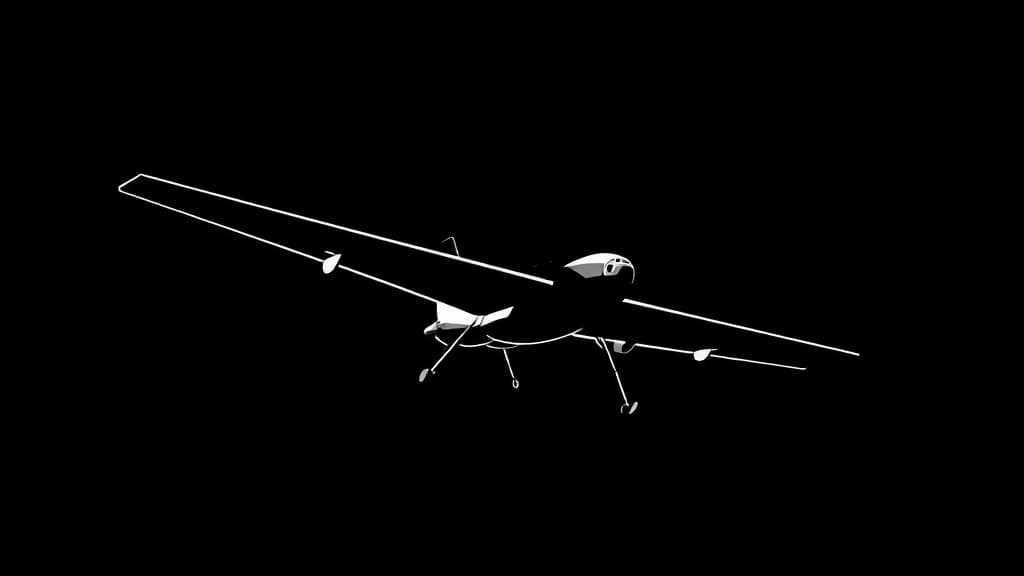
Romania shot down three Russian drones in three days and summoned Moscow's ambassador, dragging NATO another step toward direct confrontation with a nuclear power—and not one American voter had a say in it.
This matters because Romania is a NATO member. An attack on one is supposed to be an attack on all. Every drone incursion, every interceptor launched, every ambassador summoned tightens the thread connecting a Balkan border skirmish to Article 5—and to American troops and treasure.
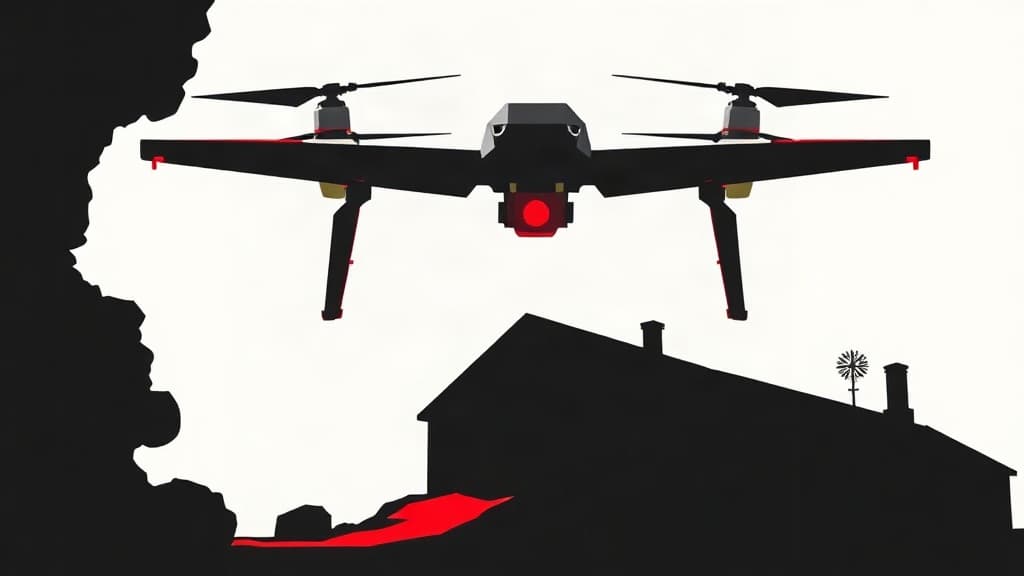
Romania's military shot down the third drone on Sunday, five minutes after it entered Romanian airspace over the Black Sea, according to Defense Minister Radu Miruță. Romanian President Nicușor Dan said the drone shot down Friday was confirmed as a "Shahed model used by the Russian Federation in its war of aggression against Ukraine." A senior NATO military spokesperson, Martin O'Donnell, said Sunday's drone also appeared to be of Russian origin.
Romania had reported dozens of drone incursions since Russia invaded Ukraine in 2022 but had never shot one down until Friday. A Romanian law passed in 2025 authorized the military to down drones that breach its airspace. In May, a drone smashed into a residential building in Galați near the Ukrainian border, wounding two people.
The Guardian framed the shootdowns as a straightforward escalation by Romania against Russian aggression. What it buried: the messy details of NATO's actual military performance. Europe Says reported that Italian pilots flying a Eurofighter Typhoon fired a missile at one of the drones—and missed. The errant interceptor created a crater in Brăila County. Debris from both the drone and the missile were collected for analysis. That's a NATO fighter jet firing a missile that missed its target inside a member state's territory. The Guardian didn't mention it.
Romanian Foreign Minister Oana Țoiu said the ambassador was being summoned over "repeated violations." Dan declared it "unacceptable and intolerable for the Russian Federation to continue violating Romania's airspace, which is also the airspace of Nato and the European Union."
NATO's O'Donnell used the moment to note that Romania and other alliance members are actively acquiring "ground-based interceptors" to boost air defenses. Romania integrated the US-made Merops counter-drone system just last month—AI-powered, mobile, designed for small, low-altitude targets. Follow the money: every escalation means more contracts for defense firms and more American taxpayer dollars flowing east.
Romanian prosecutors opened a criminal case for operating an aircraft in a restricted zone—the drone, not the pilots who missed it.
The question nobody in Washington wants to answer: what's the exit strategy? Romania has every right to defend its airspace. But every shootdown, every scramble of NATO fighters, every missile fired—hit or miss—narrows the margin between a border incident and a treaty commitment that could put American forces in direct conflict with Russia. The American people deserve a vote before that thread snaps.