Nine more civilians are dead after Russian drone strikes hit Ukrainian warehouses and ports, and all Washington's allies can talk about is how to keep the money and weapons flowing with no exit strategy in sight.
The dead barely got a mention in Wednesday's news cycle. Instead, NATO Secretary General Mark Rutte took the stage to declare that Russia's "reckless, dangerous" actions — including cyberattacks, sabotage, and airspace violations across Europe — "only strengthen" the alliance's resolve to keep arming Kyiv. German Foreign Minister Johann Wadephul warned the Russian threat "has reached our doorstep." Poland's Donald Tusk said his country averted a threat at a border crossing overnight. The message from every European capital was identical: more weapons, more spending, no end date.
Rutte claimed Russia is losing over 40,000 troops killed or seriously wounded every month — a staggering figure that, if accurate, raises the question of why a negotiated end isn't being pursued with urgency rather than open-ended escalation. Rutte offered no timeline, no cost framework, and no definition of victory. Just more resolve.
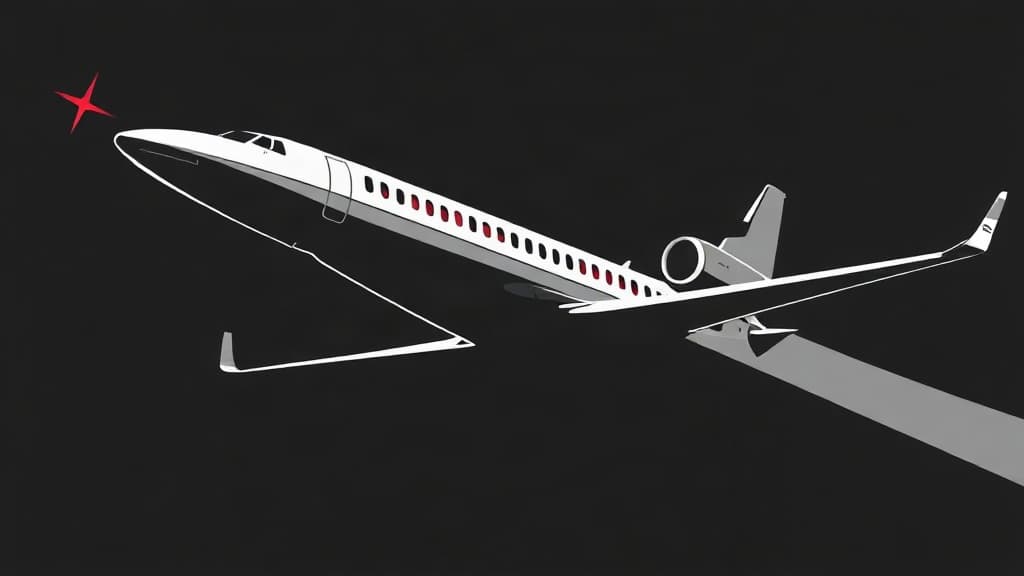
Meanwhile, Norwegian Prime Minister Jonas Gahr Store grabbed headlines with a dramatic claim that a plane carrying Volodymyr Zelenskyy from Moldova "was almost hit by a drone" before takeoff. "That is the reality he lives in," Store told Norwegian public broadcaster NRK. Former NATO Secretary General Jens Stoltenberg, now Norway's finance minister, backed up the account, saying Zelenskyy described "threats against the plane."
But Zelenskyy's own office walked it back. A source in the Ukrainian presidency told Agence France-Presse the characterization was "exaggerated," explaining it was simply "an alert in Moldova when a Russian drone entered Moldovan and Romanian airspace." Moldovan government spokesman Dumitru Ciorici confirmed the country closed its airspace after radar detected a Russian drone approaching from Ukraine, and Zelenskyy's flight departed after the drone came down some 160 kilometers from the airport. Moldova's ambassador to the U.S., Vladislav Kulminski, told CNN it was likely "not an accident" — but even he conceded it was "too early to say" whether Zelenskyy's aircraft was the target.
The discrepancy matters. Store and Stoltenberg used the incident to frame Zelenskyy as a leader under direct assassination threat — a narrative that greases the skids for more aid packages. CBS News and DW both led with Store's dramatic framing. The Guardian barely mentioned the incident, focusing instead on Rutte's call for Europe to spend more on defense. Europe Says was the only outlet that gave significant space to the Ukrainian pushback.
While Zelenskyy was in Oslo, he held talks on more military aid, including air-defense systems and civilian assistance. He then flew to Canada for more of the same. Neither stop produced a peace plan or a defined objective — just more requests.
Nine people died Tuesday. Billions more in American aid are being lined up. Nobody in any Western capital can say what "winning" looks like, what it costs, or when the checks stop.