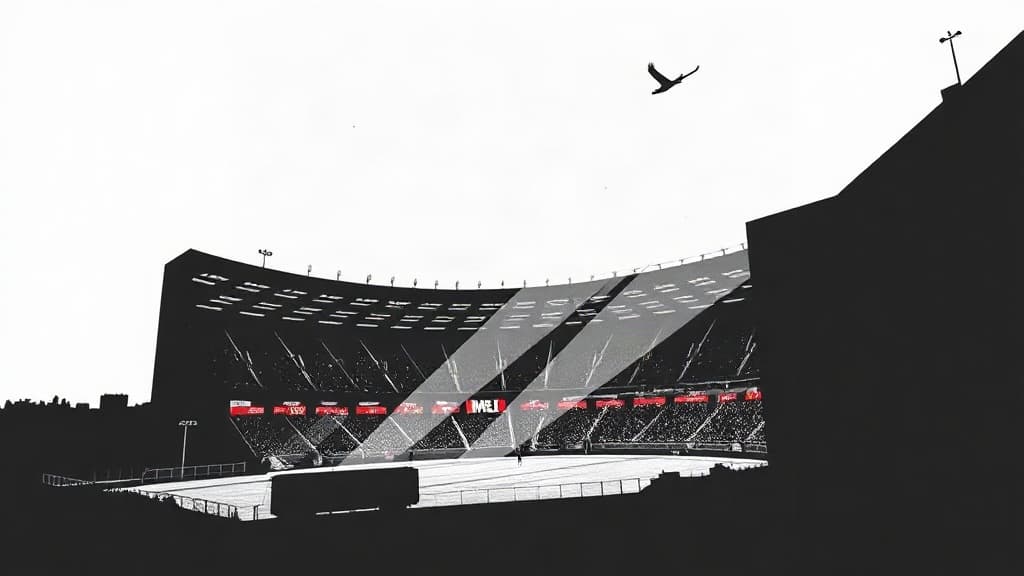
The NFL flew two American teams to a soccer stadium in London on Sunday for a game that ended in a dramatic 57-yard field goal as time expired — and the ordinary fan back home got the bill, one way or another.
Cam Little nailed the kick to give the Jacksonville Jaguars a 19-17 win over the Philadelphia Eagles at Tottenham Hotspur Stadium, capping a wild finish that saw Eagles coach Nick Sirianni admit he cost his own team the game with a botched clock decision. But the real story isn't the final score. It's why an American league keeps shipping its product overseas while the domestic audience pays ever-steeper prices to watch from their living rooms.
The Guardian played the moment for pure spectacle, highlighting Little's postgame Manchester United jersey and his Jude Bellingham-style celebration — arms wide, soccer style — as though the whole point was proving American football can be just another global commodity. NBC Sports, to its credit, noted the game "was a mess for much of it," cataloging the coaching blunders, injuries, and penalty disasters on both sides.
Here's what neither outlet asked: Who profits from this arrangement? The NFL's London series isn't charity. It's a market expansion play — brand saturation on foreign soil funded by a league that just pushed fans toward yet another paid streaming package to watch regular-season games. The domestic fan paying $200-plus for a season of games on top of cable bills is subsidizing a roadshow designed to win over British consumers who, by and large, still don't care about the sport.
Sunday's game was the latest installment in a years-long push that has now expanded to Brazil, where the Baltimore Ravens beat the Dallas Cowboys in Rio de Janeiro last month. The league is treating the American game like a diplomatic export — soft power with a Gatorade sponsorship — and the fans who built the sport into a multibillion-dollar enterprise are an afterthought.
The Eagles, now 2-3 and facing what NBC called "major questions," flew across an ocean to play in a stadium built for a Premier League club. They lost four of five Week 1 offensive line starters to injury and played without Saquon Barkley and DeVonta Smith. Sirianni took the blame for kicking the ball deep with eight seconds left instead of out of bounds, allowing Ameer Abdullah's 53-yard return to set up Little's winner. "I didn't make the right decision, and I lost us that game," Sirianni said.
The Jaguars, for their part, are the NFL's designated London franchise, having committed to playing one home game per year in the city — a deal that raises its own questions about who Jacksonville's team really serves. Trevor Lawrence called it "one of the craziest games I've ever been a part of" and praised the sport's reach: "Just how cool is this sport? The game's never over."
Cool for who? The British fan getting a novelty experience, or the American fan whose home market is being slowly hollowed out in service of global brand growth?
The NFL will keep going back to London — and Frankfurt, and São Paulo — because the revenue opportunities are there. But every game played on foreign soil is a game not played in front of the community that pays the taxes, buys the tickets, and funds the infrastructure that makes the league possible. The question isn't whether the London series is exciting. It's who it's for.