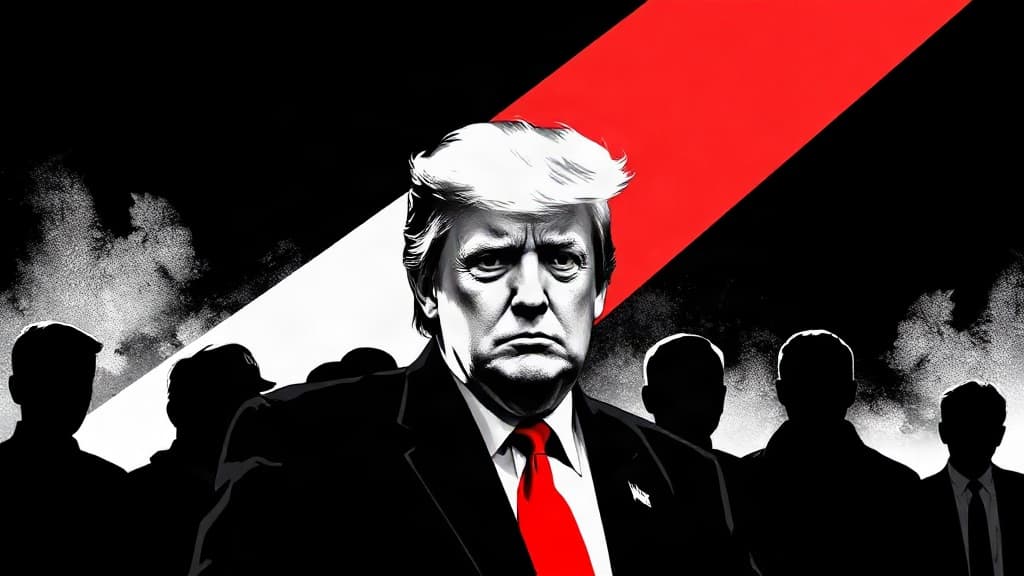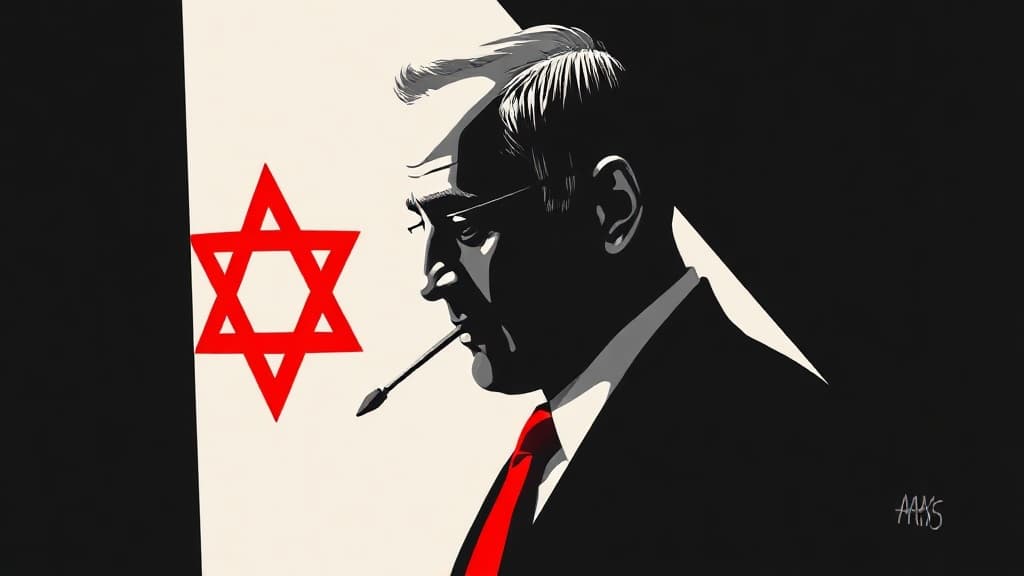
Israeli Prime Minister Benjamin Netanyahu publicly rejected a U.S.-backed 15-point Gaza peace plan this weekend — one he had personally approved in private meetings just days earlier — and once again, American taxpayers will foot the bill for a war their government can't seem to end.
The plan, brokered by Trump's Board of Peace, included a Hamas commitment to give up its weapons, which was a core Israeli demand. It outlined a phased Israeli military withdrawal from pilot areas in southern Gaza, where an international force would take over. Adm. Brad Cooper, head of U.S. Central Command, reportedly traveled to Israel to deliver the message in person that the Trump administration wants Israel to end its wars in Gaza, Lebanon, and Iran. Netanyahu's response was to torch the deal in public.
"We know how to stand our ground, even against our best friends when necessary," Netanyahu said, according to The Guardian's editorial board.
This is the same play Netanyahu has run for years. In May 2024, Joe Biden announced an Israeli-backed ceasefire and hostage release plan. Netanyahu distanced himself and ultimately rejected it. Bill Clinton, after meeting Netanyahu in 1996, reportedly asked: "Who's the fucking superpower here?" The answer, apparently, is not the United States.
Israeli defense officials were blindsided by the rejection. Channel 12 reported that a defense official said: "We learned about it today from the media." The same report noted that Netanyahu had personally given consent to the plan and to a withdrawal from Rafah in meetings with the Israeli chief of staff just days before his public about-face.
So why the reversal? Netanyahu faces an election in roughly two months — the first since October 7 — and his coalition depends on far-right politicians who want to intensify attacks on Gaza and establish settlements. If he loses, he faces corruption charges that have lingered for over five years. The political incentive is obvious: stall, keep the war going, and keep the far-right happy.
Since the October ceasefire, close to 1,300 Palestinians have been killed in Israeli airstrikes, and the Israeli military now controls about 65% of Gaza, according to The Guardian. Formal schooling hasn't restarted. The healthcare system is largely destroyed. Reconstruction is blocked. The first building contract the Board of Peace issued was for an outpost to host foreign troops — not for civilians.
Meanwhile, the Trump administration has largely shrugged off Netanyahu's rejection as electioneering. Last week, Netanyahu did raise the threshold for authorizing airstrikes — targeted killings now require chief of staff approval rather than regional commander sign-off. That's a concession to Washington's wishes, but it doesn't change the fundamental dynamic: Israel takes American money, American arms, and American diplomatic cover, then publicly swats away American peace proposals.
Recent polling suggests U.S. public sympathy for Israel is declining. Ahead of Republican midterm challenges, that matters. But so long as the money flows with no conditions attached, Netanyahu has every incentive to keep running the same play — and every reason to believe it will keep working.
The open question is whether any American president, of either party, will ever attach a price tag to defiance, or whether the checks will just keep clearing.