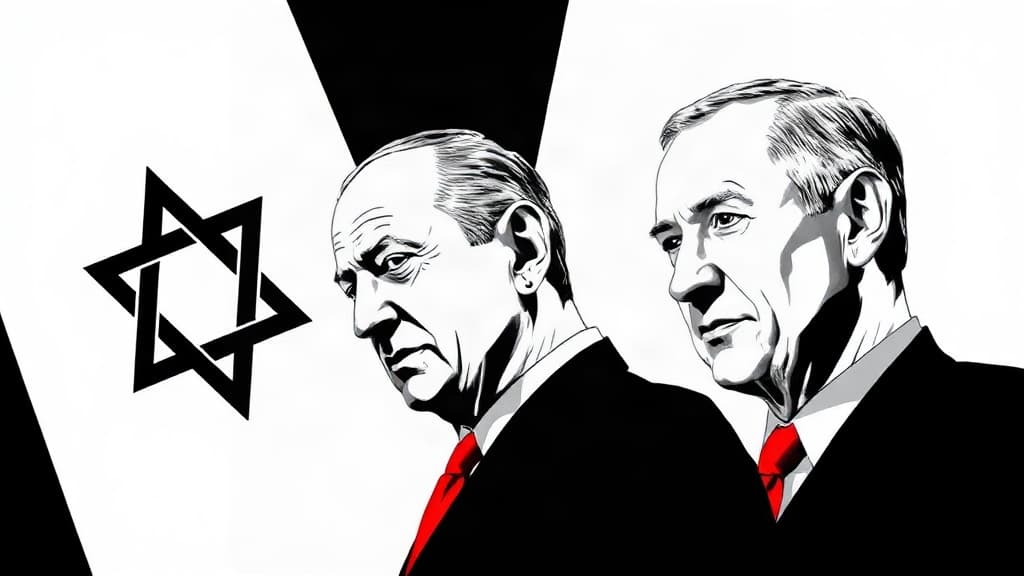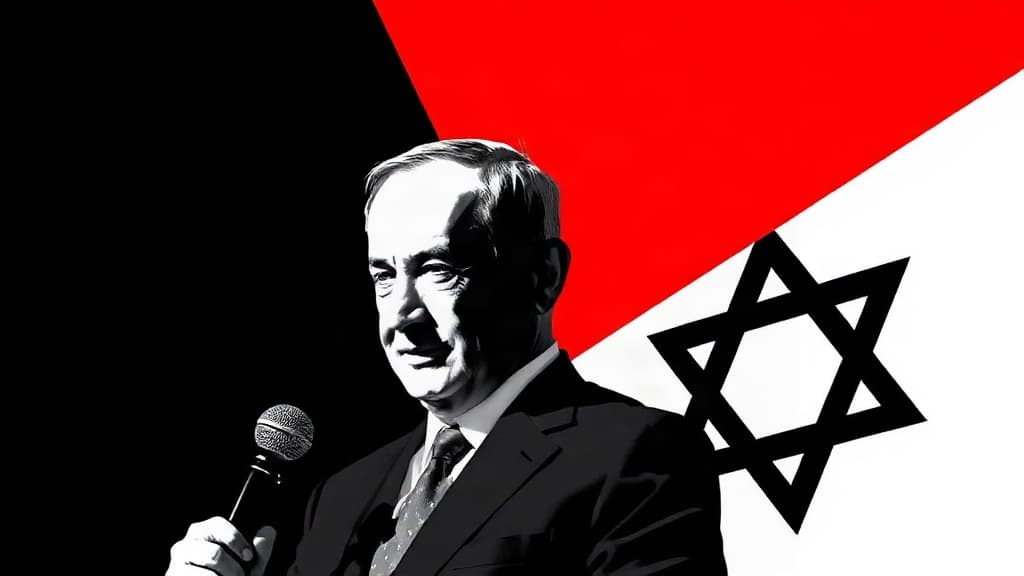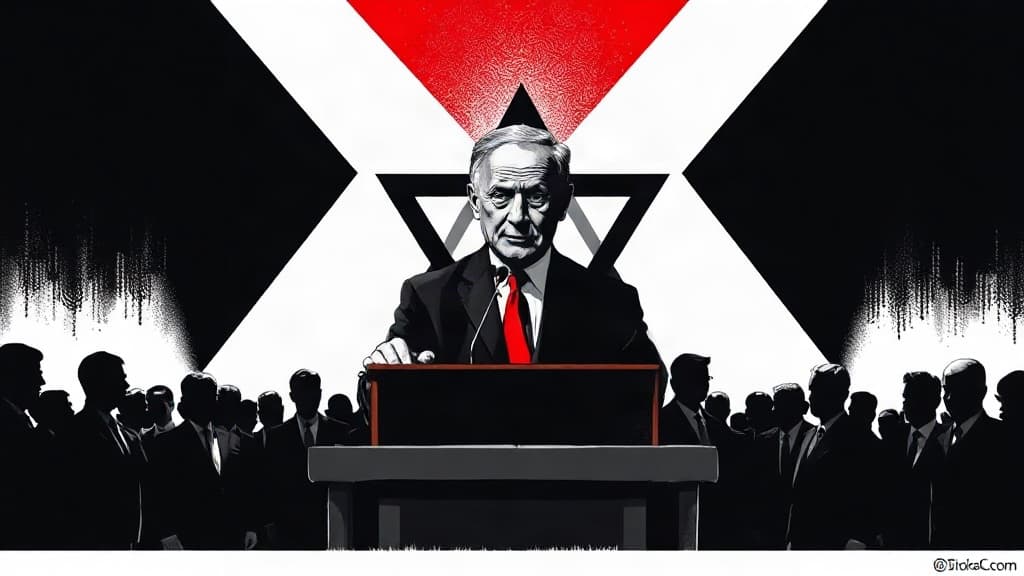
Israeli opposition politicians are moving to seize control of the Knesset this week and dismantle Prime Minister Benjamin Netanyahu's government — and American taxpayers are footing the bill for the political drama regardless of the outcome.
The opposition bloc holds 67 of 120 seats in Israel's parliament and plans to use that majority to replace the speaker, reverse Netanyahu's judicial overhaul, launch a state inquiry into the Oct. 7 Hamas attack, and advance legislation that could bar Netanyahu from ever returning to power, Al-Monitor reported. All of this unfolds while Washington continues to send billions in military aid to Israel with no defined U.S. interest, no cost accounting, and no exit strategy.
President Isaac Herzog on Sunday tasked former military chief Gadi Eisenkot, leader of the Yashar party, with forming the next government. But Eisenkot's allies aren't waiting for a coalition deal. They want to use their parliamentary majority immediately. Replacing Knesset Speaker Amir Ohana — a Netanyahu loyalist who controls the legislative agenda — is the first order of business. Eisenkot may take the role himself, according to Israeli media cited by Europe Says, or yield it to another Yashar party member.
The stakes are high enough that more than 160 former top security officials — military, intelligence, and police commanders — warned in a letter that right-wing activists plan to violently block lawmakers from entering the Knesset on swearing-in day. "Actors who oppose replacing the Knesset speaker intend to go to the Knesset on the day of the swearing-in ceremony and to prevent the MKs and their family members from entering the building," the group, called Democracy's Protective Wall, wrote, according to Ma'ariv newspaper.
Eisenkot has promised "creative and unconventional political acts" to broker a national emergency government, while effectively admitting that campaign promises will be broken. "No one will be able to fulfil all the [campaign] promises they made, and all of us will need to compromise," he said.
The compromise, it appears, falls on Palestinian citizens of Israel. Though they hold 19 seats — nearly a quarter of the opposition bloc's total — several Jewish-Israeli parties have sworn not to sit with Palestinian-led parties or even join a minority government backed by them. Europe Says framed this exclusion as a "racist commitment" and noted protests urging opposition leaders to prioritize unseating Netanyahu over excluding Arab parties. Al-Monitor buried the issue entirely. Without those 19 seats, the opposition bloc has fewer lawmakers than Netanyahu's coalition.
Right-wing opposition leader Avigdor Lieberman is meanwhile pursuing an alternative path through ultra-Orthodox parties, who have long been Netanyahu allies but remain furious over his failure to pass broad military draft exemptions for their communities into law.
Here is the question no one in Washington wants to answer: why are American taxpayers subsidizing any of this? The U.S. sends roughly $3.8 billion per year in military aid to Israel, on top of supplemental packages. That money competes directly with domestic spending — infrastructure, border security, veterans' care. Aid is a choice, not an obligation. And right now, that choice funds a foreign political system where the governing coalition and the opposition alike treat American dollars as an entitlement while they fight their own internal power struggles.
The Knesset convenes Tuesday. The speaker fight is the first test. The bigger test is whether anyone in Washington will ever demand that foreign aid serve a defined American interest — or whether the blank checks just keep coming.