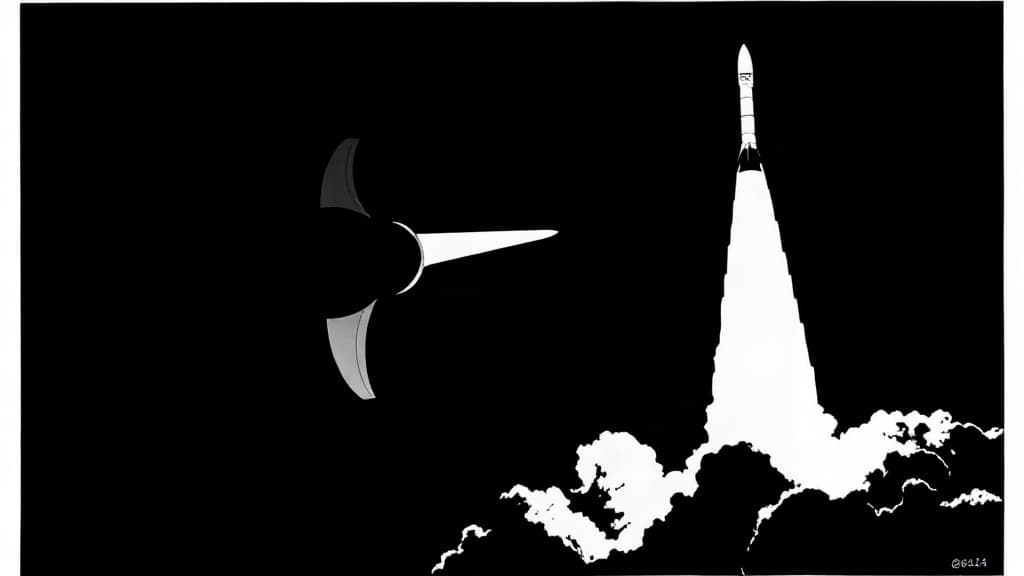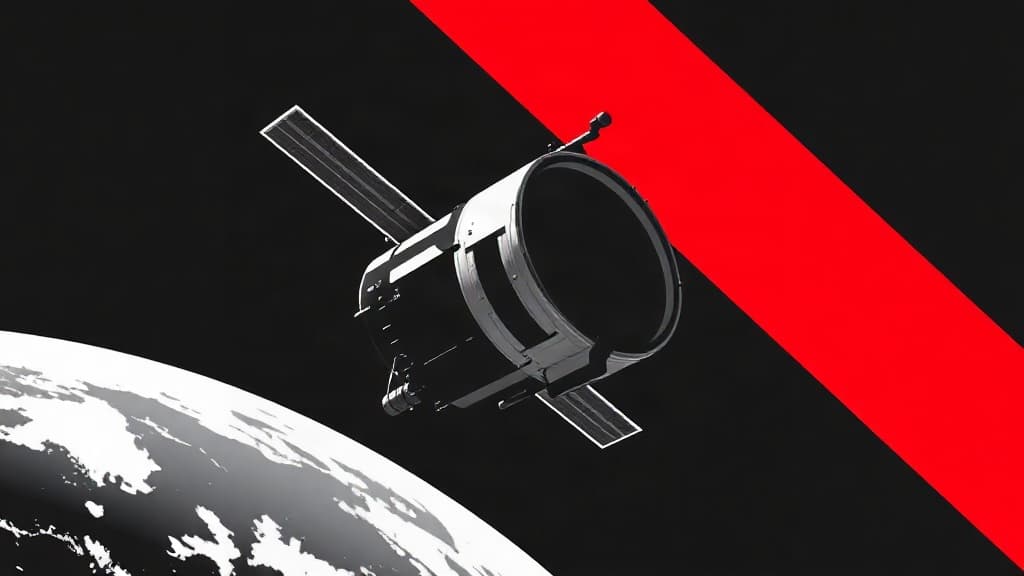
NASA just torched $30 million on a failed space rescue, dooming the Swift Observatory to a fiery plunge later this year—money spent on an orbital long shot while Washington insists it can't find cash for border security or crumbling infrastructure back home.
The Swift gamma-ray telescope has tracked the biggest explosions in the universe for over 20 years, but intense solar activity dragged it down faster than expected. NASA hired startup Katalyst Space Technologies to fly a rescue satellite named Link up to Swift, grab it with robotic arms, and boost it to a safer orbit. On Wednesday, they admitted it's over. Link spun out of control in late July, losing two of its three reaction wheels and struggling with cold gas thrusters. The satellite's low-impulse plasma thrusters couldn't compensate.
NASA paid Katalyst $30 million for the attempt and gave them a brutal deadline—build and launch a first-of-its-kind rescue craft in nine months. Ars Technica reported that the compressed schedule forced engineers to accept technical risks they otherwise would not have. It was a gamble, and it lost.
NASA Administrator Jared Isaacman framed the failure as a calculated bet worth taking: "NASA should be willing to move quickly and take smart risks when the potential return is worth it, and that is exactly what we did with this mission. This is not the outcome we were working toward, but it does not change why this mission was worth attempting."
Katalyst CEO Ghonhee Lee echoed the spin: "We took on this high-risk, high-reward challenge and are proud of the milestones we reached along the way. We have already learned a tremendous amount."
As a consolation, Katalyst will keep operating Link near Swift to demonstrate navigation capabilities for future missions. CBS News noted that NASA's Hubble Space Telescope—also sinking from solar drag and facing reentry in the 2030s—had been next in line for a rescue. Whether Hubble is now out of luck is unknown.
Swift's science instruments were shut off earlier this year to slow its descent. It sits at 216 miles and is falling about 5 miles per month, expected to hit 186 miles by October before burning up on reentry.
The technology lessons may be real. But $30 million just vanished on a mission that was always a long shot, rushed on a timeline that practically guaranteed failure if anything went wrong—and it did. Meanwhile, Congress can't locate money for the southern border or American bridges. The priorities speak for themselves.