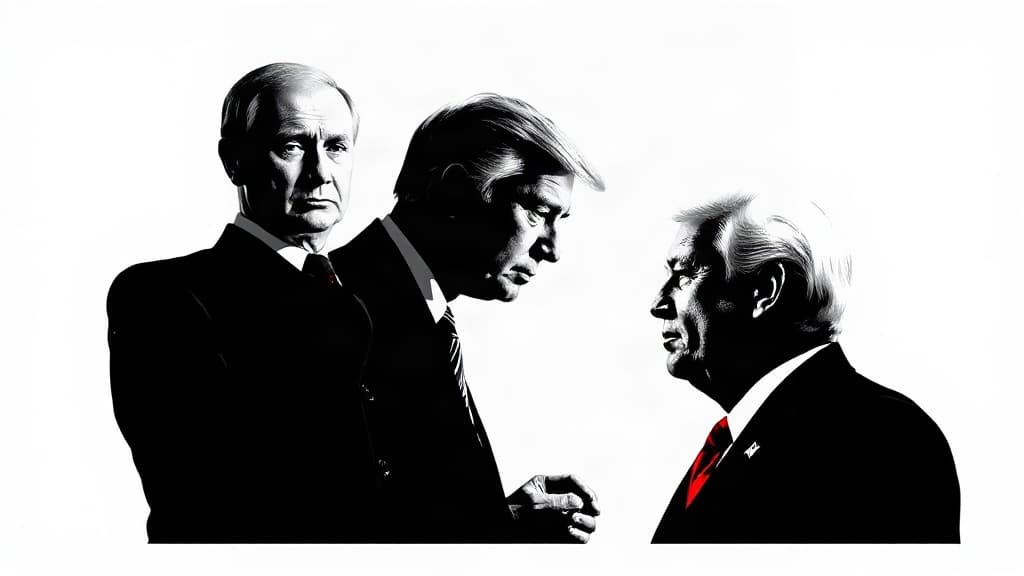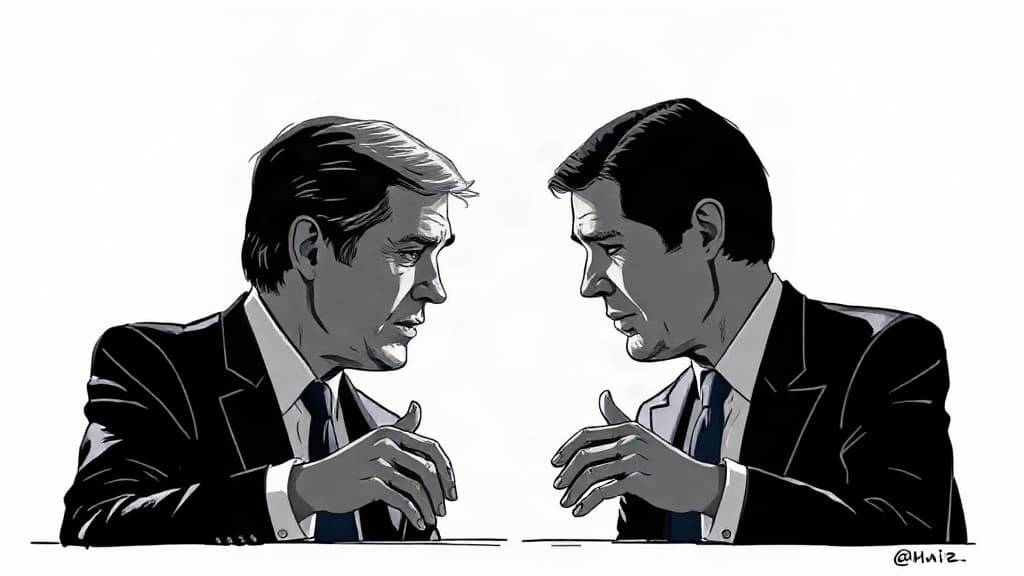
Jared Kushner is treating nuclear negotiations with Iran like a property closing — no technical experts in the room, split-the-difference logic, and a binary ultimatum backed by an armada — and ordinary Americans will bleed the treasure and blood if this real-estate approach to war and peace goes south.
The stakes are plain. In February, the U.S. sat on the brink of war with Iran after American and Israeli forces bombed Iran's nuclear-enrichment facilities in 2025. Trump declared Iran's enrichment capability "obliterated." When the head of America's top military-intelligence agency disputed that assessment, he was fired. That's the accountability pipeline: tell the truth, lose your job. Meanwhile, Kushner — a real-estate heir with no diplomatic training — was handed an extraordinary brief to end wars in Gaza, Ukraine, and anywhere else they ignite.
Kushner doesn't hide his contempt for the diplomatic craft. In his view, peace deals are like real-estate deals: hear the sides out, split the difference, bluff when you have to. "I've been getting criticized for the last couple of years, by all the people who have tried and failed, for not doing this the same way that they have," Kushner said in 2020 after unveiling Trump's first Middle East peace plan. "If somebody was successful, I wouldn't be dealing with this." The arrogance is the point — and the profit pipeline is the subtext. This is the revolving door in plain sight: political office as a credentialing stop on the way to private deals with the very foreign interests you were just negotiating with.
In Geneva, Kushner and special envoy Steve Witkoff presented Iranian negotiators with what amounted to an ultimatum: turn over your entire uranium stockpile or face attack. To drive the point home, Trump had dispatched a fleet to the region. "We have to have a meaningful deal, otherwise bad things happen," Trump said. After the meeting, Kushner dismissed the Iranian side. "Lots of tricks," he told reporters. "They're basically playing games with us all over the place, and it's very, very slippery."
Here's what should alarm every American who doesn't own a defense contractor: neither Kushner nor Witkoff brought a technical adviser to the talks. An expert from the Department of Energy had been assigned to Witkoff but wasn't in the room — the White House denied this, but the denial is itself telling. These are formidably complex negotiations involving centrifuge speeds, verification protocols, and the assessment of a regime's compliance. Kushner and Witkoff were simultaneously juggling Ukraine talks with Russian representatives in the afternoon. Morning: Iran. Afternoon: Ukraine. No experts. No institutional memory. Just two Trump insiders winging it on matters that could reshape the global order.
The New York Daily News, meanwhile, spent its ink on Joe diGenova's resignation from a politicized DOJ probe — a domestic story about the rule of law buckling under Trump. Both stories point to the same rot: personnel selected for loyalty over competence, crashing into systems that still, barely, respond to reality. diGenova quit rather than manufacture indictments without evidence. Kushner has no such guardrails — he's not prosecuting, he's negotiating wars, and the only check on his power so far is the good fortune that the bombs haven't started falling.
Every overseas commitment is a request to spend American money and risk American lives. What's the defined U.S. interest in Kushner's Iran ultimatum? What's the exit? What does it cost? Nobody in these rooms has answered those questions — and nobody in the bipartisan establishment is asking them, because the pay-for-access pipeline serves both parties equally.