The IMF just told France to "get your house in order" — after years of helping globalist policymakers run that house straight into the ground.
The lesson for America couldn't be clearer: when you surrender fiscal sovereignty to supranational institutions, you end up with the bill and no authority to fix the problem.
IMF Managing Director Kristalina Georgieva delivered her blunt directive to Paris from Singapore this week, as French bond yields have surged more than 100 basis points since January — now demanding higher yields than debt from Italy, a country that was the eurozone's traditional basket case. France's deficit sits at 5.1% of GDP and is projected to climb to 5.7% by 2027, according to International Business Times. The country is officially under the EU's excessive deficit procedure, with Brussels demanding Paris bring its shortfall down to the bloc's 3% threshold by 2029.
Georgieva described what she sees in France as "the consequence of borrowing shock after shock after shock, climbing on this staircase that does not lead to heaven." She conceded that pushing through the government's proposed €54 billion fiscal adjustment amid violent student protests "is going to be tough, no question about it."
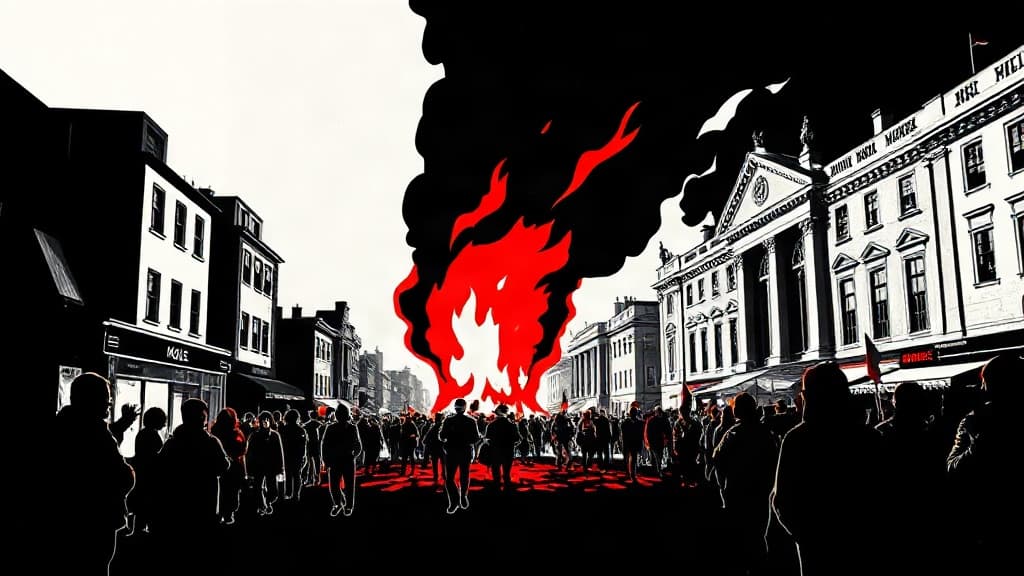
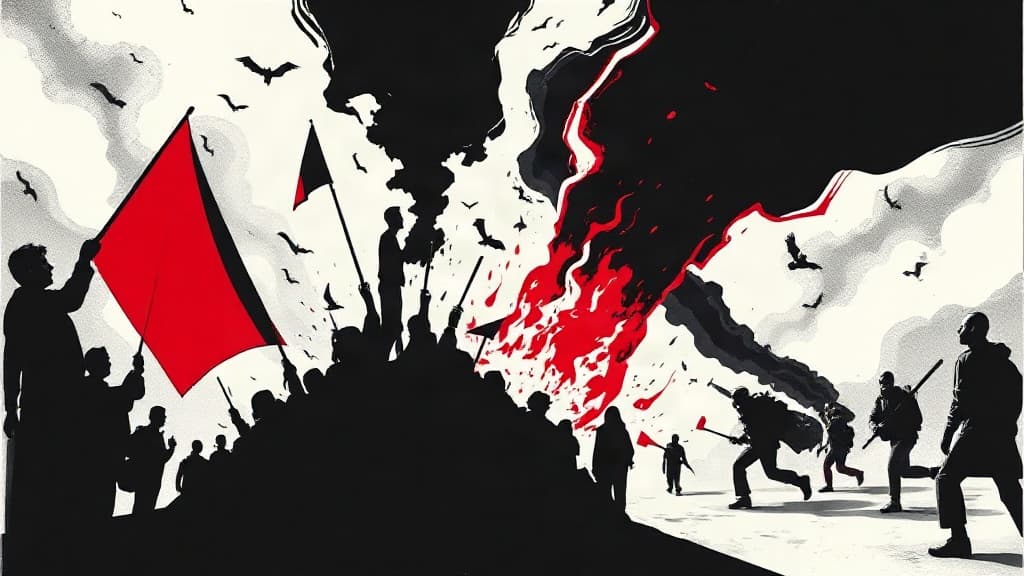
Those protests, now in their third week, started over teacher shortages, oversized classes, and rundown schools. France's Interior Ministry says the violence has moved beyond legitimate grievances. Meanwhile, Prime Minister Sébastien Lecornu's government is trying to convince a fractured parliament to swallow tens of billions in spending cuts — most of it from freezing primary expenditure while defense spending gets carved out.
Here's the rich part: Georgieva insisted this isn't a repeat of the eurozone sovereign debt crisis. "The French economy is growing," she told CNBC. "We have a much more mature system in Europe. We have the strength of the European Central Bank." Translation: trust the institutions that helped create the mess to manage the fallout. The same ECB that kept rates negative for years, fueling the borrowing binge Georgieva now condemns.
The Guardian reported the broader picture: global debt-to-GDP ratios are at their highest since World War II, on track to hit 100%. Bond yields are spiking worldwide as markets price in inflation driven by the Middle East war. Georgieva wants central banks to stay "prudently hawkish" — the same central banks that printed money for a decade and are now telling governments to tighten belts.
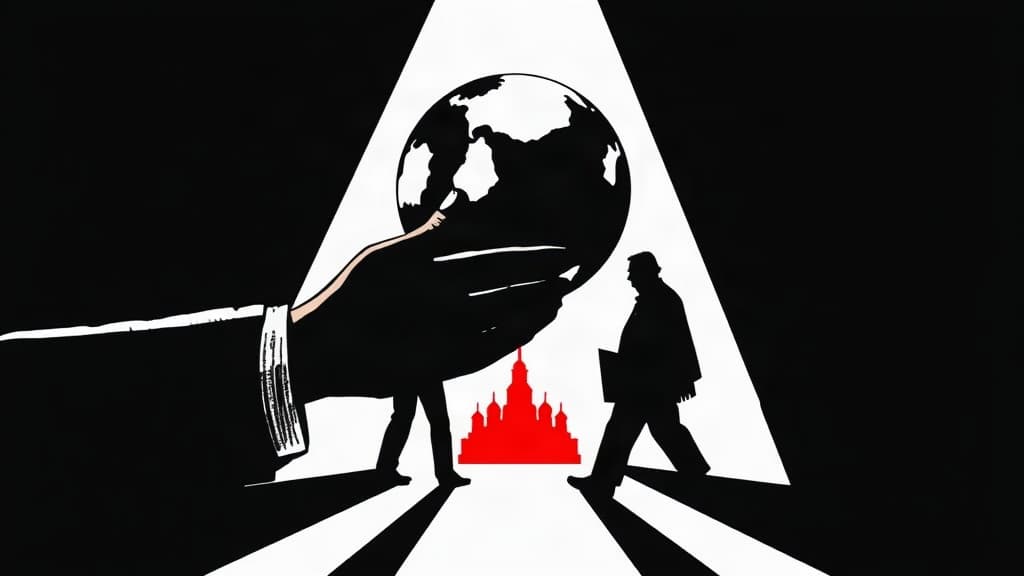
This is the globalist racket in miniature. International institutions push cheap money and open borders, then lecture sovereign nations about fiscal discipline when the bills come due. France is the canary — but the coal mine is the entire Western alliance structure that keeps spending other people's money to sustain an empire of consultants and bureaucrats.
The American takeaway: every dollar we send to fund these institutions, every blank check we write for overseas commitments, competes directly with the needs of our own citizens. The IMF doesn't answer to American voters. The ECB doesn't answer to French voters. But the voters pay the price.
Georgieva said populations have grown "accustomed to governments running to the rescue" since Covid. She's right about the problem. She's just the wrong messenger — and her institution is the last place to look for the solution.
The real question isn't whether France gets its house in order. It's whether any nation can while the globalist architects keep holding the blueprints.