Iran sealed a French language center in Tehran and its foreign minister dragged the United States into the dispute — another reminder that foreign conflicts find a way to attach American fingerprints whether we put them there or not.
The escalating tit-for-tat between Paris and Tehran over a cultural institution doesn't directly involve American interests, but Iran's top diplomat made sure to invoke U.S. military actions as justification. That's a pattern worth watching: every overseas quarrel becomes a pretext to demand American accountability or involvement, while the bill never comes with an exit strategy.
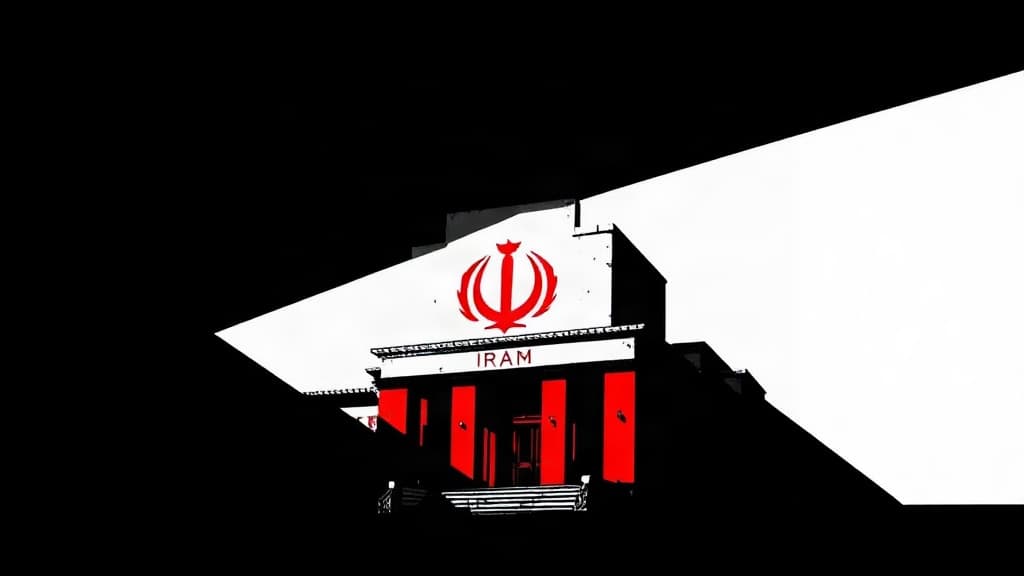
Iranian authorities closed the French language center affiliated with the French embassy following a judicial order from the Tehran prosecutor's office, according to Iran's semi-official Tasnim news agency. Iran accused the center of operating for years without a license and engaging in activities against Iranian culture and national security, including "identifying and building networks" and "facilitating the departure of skilled Iranians from the country."
France wasn't having it. Foreign Ministry spokesperson Pascal Confavreux called the closure "unjustifiable and unacceptable," framing it as "this new attack against France's cultural presence in Iran, following the assault on two staff members of the French embassy last July."
France has previously dismissed Iran's allegations, saying there had been a pattern of intimidation as Paris sought to increase contacts with Iran's civil society following a crackdown on protests earlier this year. Diplomats told Reuters that Iran was also angered by French Foreign Minister Jean-Noel Barrot's social media post marking the fourth anniversary of Mahsa Amini's death, which triggered nationwide protests.
That's when Iran's Foreign Minister Abbas Araghchi made it America's business. He called Barrot's post "crocodile tears," accused Paris of slaughtering 1.5 million Algerians during the war of independence, and then added: "Your silence when the U.S. massacred our schoolkids said it all" — referring to a strike in Iran that Tehran believes the United States was responsible for.
The broader context matters. Ties between France and Iran have been strained for years over Iran's nuclear program and the detention of French nationals. The relationship briefly improved after those detainees were released and, notably, after Paris distanced itself from what both outlets describe as "the U.S. war against Iran." Things deteriorated again this summer when two Iranian diplomats were arrested and expelled, and France reciprocated.
Both ministers are set to meet Tuesday on the sidelines of the UN General Assembly in New York.
Europe Says framed this as part of a broader Western retreat under pressure from adversarial governments; Al-Monitor buried the U.S. reference in a single sentence near the end. Neither outlet pressed on what "the U.S. war against Iran" refers to, or which strike Araghchi was invoking. The American public is left to guess what actions are being pinned on us this time.
The open question: every time a foreign minister uses American military action as a rhetorical weapon in a dispute that isn't ours, the tab for past interventions grows. How long before someone demands we pay it?