Aaron Sorkin's new film "The Social Reckoning" puts Facebook back on trial with invented dialogue and a stacked jury — and the real defendant is the open internet ordinary Americans depend on to speak without gatekeepers.
The Oscar-winning screenwriter behind 2010's "The Social Network" has returned with a dramatization of the Frances Haugen whistleblower saga, casting the platform as a villain that pushes "divisive content" for profit. But Sorkin's own admission that he fabricated conversations and rearranged timelines reveals what this project really is: Hollywood doing the establishment's work to delegitimize platforms it doesn't control.
The film debuted in theaters Friday. It centers on Haugen — played by Mikey Madison — and Wall Street Journal reporter Jeff Horwitz, played by Jeremy Allen White. Sorkin described it to Reuters as "a David and Goliath story, but there are two Davids": Haugen and print journalism, both hurling rocks at Big Tech. It's a curious framing. When Hollywood, the legacy press, and congressional testimony all line up on the same side, the slingshot is in different hands than Sorkin pretends.
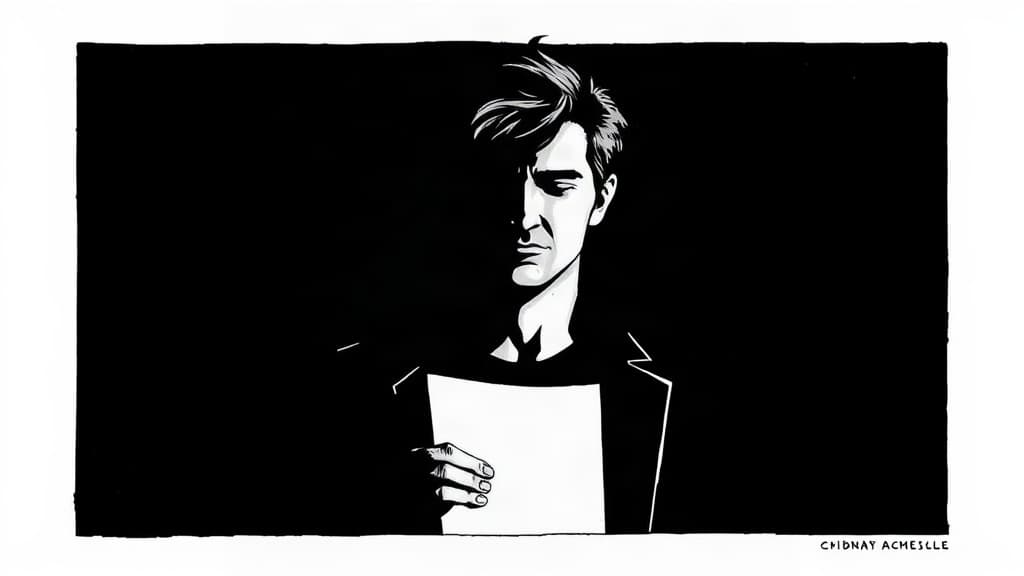
Sorkin told Reuters he met Haugen after a year of what he called "epic writer's block" and built the story from there. He also admitted he had to "create conversations and a timeline to make a compelling cinematic narrative." He told Horwitz he'd need to "change some chronology and details" and take liberties with "Movie Jeff," who would be "a fictionalized, investigative reporter composite." Horwitz had no say over the film's content and didn't read the script until it was finished. Sorkin's justification to Reuters was blunt: "What you do as a journalist, that's a photograph. What I do is a painting."
A painting — not a photograph. Sorkin is asking audiences to trust a dramatization of events he concedes he rearranged and invented, sold under the banner of a true story about the dangers of platforms that distort reality.
The BBC's review gave the film two stars and noted the central irony: the movie's theme is social media's power to influence people, but "The Social Reckoning itself is unlikely to influence anyone." The BBC also observed that the film's supposed stakes are hollow — characters keep insisting they're in danger, but no one ever actually threatens them. Horwitz's big sleuthing, per the BBC, amounts to talking to Haugen and setting up a fake Facebook account.
The film does surface real data points. According to internal research kept secret by Instagram, 32% of teenage girls with body-related anxieties felt worse after using the app. Haugen testified before Congress that Facebook's algorithm boosted divisive content in pursuit of profits. Zuckerberg pushed back in a Facebook post, calling the profit-from-anger argument "deeply illogical." Meta declined to comment on the film. In August, the company agreed to pay up to $18 billion over the next decade to settle with U.S. states over teen usage — while denying wrongdoing.
Follow the money. An $18 billion settlement buys a lot of silence. A Hollywood film that reinforces the regulatory narrative buys a lot of public pressure. The same cultural apparatus that cheered censorship during COVID and demanded platform moderation now produces art insisting the problem is that these platforms exist at all.
The question Sorkin won't ask: who benefits when the only spaces where ordinary Americans can speak without an editor's approval are painted as threats to the republic?