Iran-backed Houthi rebels struck oil facilities across southern Saudi Arabia on Tuesday, wounding 73 people and pushing crude toward $100 a barrel — and working Americans are already paying the bill at the pump.
The national average for a gallon of regular gas hit $4.15, up from $3.20 a year ago, and diesel set a record at $5.90, according to AAA. Brent crude climbed to $99.16 and West Texas Intermediate hit $94.46. Every penny of that comes out of the pockets of Americans who commute to work and haul goods for a living — not out of the think tanks that will shortly demand U.S. military intervention.
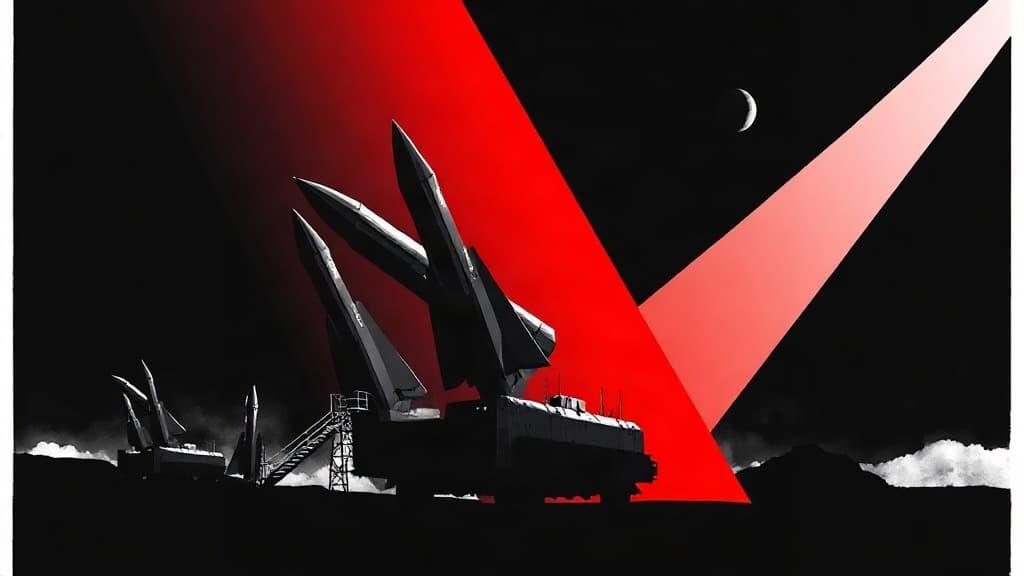
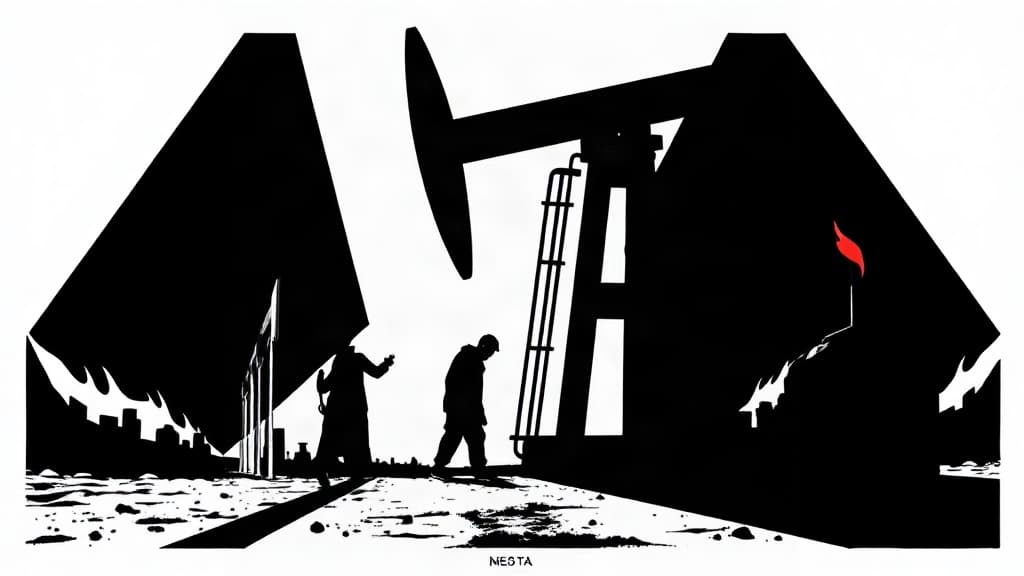
The Houthis fired dozens of ballistic missiles and drones at Aramco facilities in Abha, Najran, and Jazan, igniting fires at multiple oil installations, the Saudi Energy Ministry confirmed. The Jazan refinery on the Red Sea coast processes 400,000 barrels per day and has been a repeated Houthi target since July. Houthi military spokesman Yahya Saree said the strikes were retaliation for 121 Saudi airstrikes on Yemen over the previous three days. Al Jazeera reported that the Houthis accused Saudi Arabia of bombing a prison in al-Jawf, killing seven and wounding seven others — a claim Riyadh has not addressed.
Saudi coalition spokesman Turki al-Malki called the attacks a "serious escalation" and vowed to "take all necessary operational measures to deter the terrorist Houthi militia with utmost resolve." Saudi Foreign Minister Faisal bin Farhan, speaking alongside Russian FM Sergei Lavrov in Moscow, said the kingdom would not hesitate to protect its interests. Lavrov called the Houthi attacks "unacceptable" and offered to broker a ceasefire.
The escalation comes as Iran's blockade of the Strait of Hormuz — which handled a fifth of global oil before the war began Feb. 28 — has made the Red Sea and the Bab al-Mandab Strait critical for Saudi exports. The Houthis have been advancing toward that chokepoint since declaring a "maritime ban" on Saudi shipping in July, when the informal 2022 ceasefire collapsed.
Fox News framed the story around "Iran-backed terrorists" escalating war and highlighted Tehran's vow of continued resistance and its claim of testing an upgraded ballistic missile. Breitbart emphasized the wounding of women and children and labeled the Houthis "terrorists" while burying the Houthi claim that Saudi strikes on Sanaa airport precipitated the current round of fighting. Al Jazeera provided the most context on the Houthi justification and the Saudi strikes on Yemeni territory. The Daily Caller noted Trump's Truth Social post claiming oil prices "will drop precipitously" when the U.S. wins the war with Iran.
Here is the question no one in Washington wants to answer: what vital American interest requires one U.S. soldier or one additional dollar in this fight? Saudi Arabia has its own military and its own oil revenue. Iran is already under what the Treasury Department calls "Operation Economic Outcast." The U.S. has struck Iranian oil tankers and sanctioned Iranian airlines. Defense contractors and oil speculators profit from escalation. You pay — at the pump, and in blood if the interventionists get their way.
The founders debated entangling alliances in taverns because they knew foreign commitments would consume the republic's treasure and liberty. That math has not changed.