Houthi missiles and drones struck the Saudi capital of Riyadh this weekend for the first time since the Yemen war reignited, and Washington's split-screen response tells you everything: President Trump refused Saudi pleas for direct U.S. military action — then greenlit a $24.3 billion sale of 48 F-35 fighter jets to the kingdom.
The attack marks a new threshold in a conflict that already has the region sliding toward wider war. Flames and thick smoke were visible near Riyadh's main airport, and an Aramco fuel tank was seen on fire, according to AFP journalists cited by Al-Monitor. The Saudi-led coalition claimed the ballistic missile was "successfully intercepted and destroyed" and that strikes on the Red Sea port of Yanbu and other cities were "thwarted." The Houthis claimed they hit "sensitive sites" and caused "massive fires" at Aramco facilities. Aramco declined to comment, per NPR.
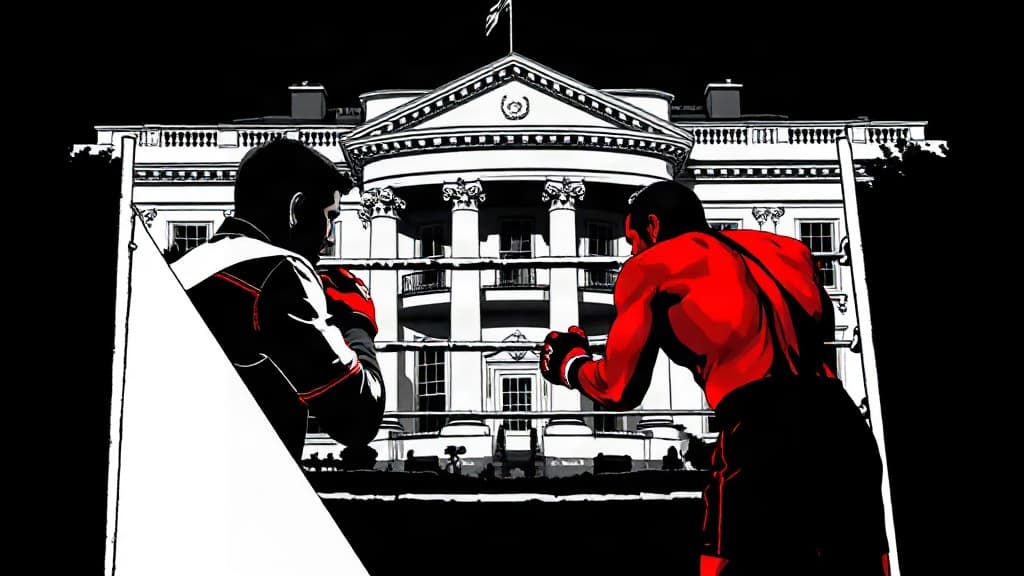
Trump cut short a Camp David weekend to return to the White House on Saturday with no public explanation. The State Department warned the conflict could "escalate rapidly" and urged Americans to reconsider travel to the region. But the administration has signaled it has "no current fight with the Houthis," NPR reported, and Reuters confirmed that Trump rejected Saudi requests for direct U.S. military intervention.
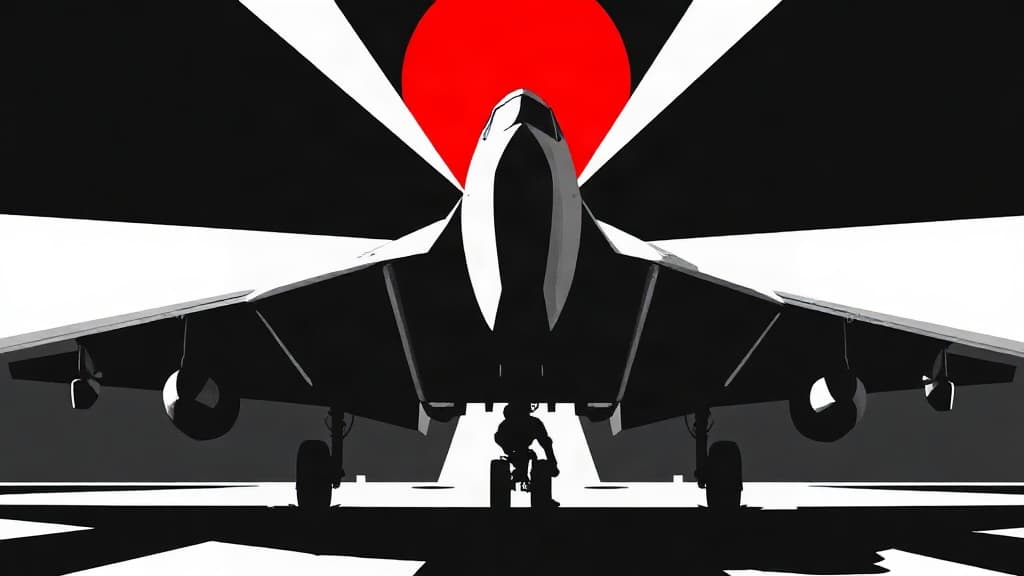
So no American troops — just American weapons. The $24.3 billion F-35 sale, reported by Al-Monitor, moves forward while Lockheed Martin shareholders sleep soundly. Follow the money: the defense contractor lobby gets paid, Saudi Arabia gets next-generation fighters, and the American taxpayer subsidizes the security architecture of a Gulf monarchy.
NPR buried the most telling detail: Saudi Arabia is "running low on missile interceptors" and has had to beg France, Britain, Pakistan, and Egypt for air defense support. That's the same Saudi military that has spent years and billions bombing Yemen into ruin — and is still losing ground. The Houthis seized the key port city of Mokha and islands controlling the Bab al-Mandeb Strait, a chokepoint for global energy flows that has become even more critical since Iran imposed a blockade on the Strait of Hormuz.
The broader context matters. Reuters framed the confrontation as "another front in the broader conflict that followed US and Israeli strikes on Iran in late February." Al-Monitor noted the CIA's John Ratcliffe met Egyptian President Sisi in Cairo days after Saudi Crown Prince Mohammed bin Salman pressed the same leader on securing Bab al-Mandab. Turkey's foreign minister said Ankara is discussing military assistance with Saudi Arabia and Pakistan. China, meanwhile, privately urged Tehran to restrain the Houthis after a Saudi appeal to Beijing — a telling sign of who actually holds leverage in this theater.
At least 110,000 people have been displaced and hundreds killed in the Houthi lightning offensive, according to the UN refugee agency. Saudi domestic media barely mentioned the Riyadh attack — censorship that speaks volumes about the kingdom's grip on information.
The question nobody in Washington wants to answer: what is the defined U.S. interest here? The Strait of Hormuz is already under Iranian blockade. Bab al-Mandeb is now contested. If the argument is global shipping lanes, that's a case to make to the American people — with a cost and an exit strategy. If the argument is Saudi security, that's their fight, not ours. Refusing to send troops while approving $24.3 billion in jets isn't restraint. It's the permanent war lobby's favorite trick — no body bags, just invoices.