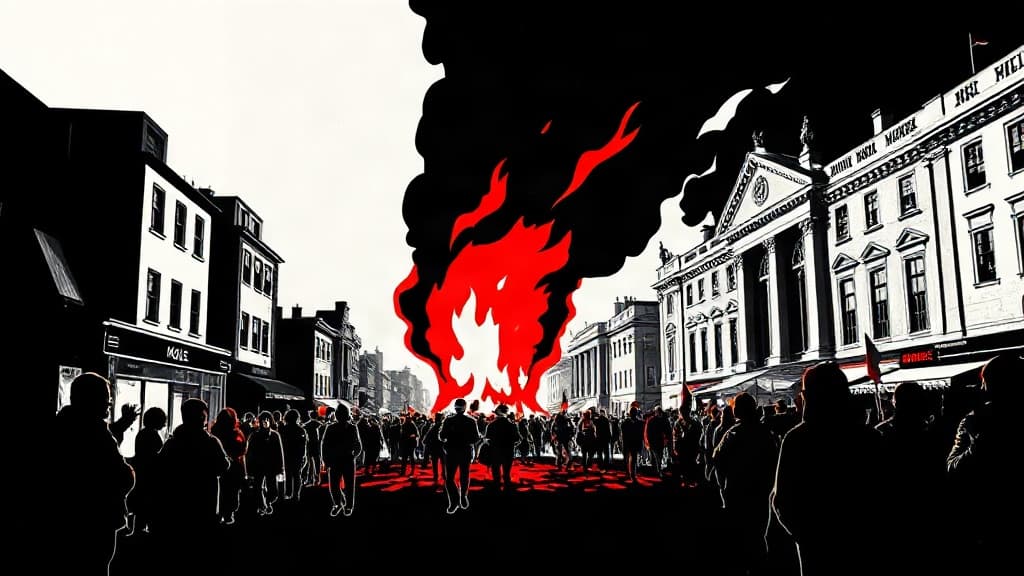
French cities erupted in the country's worst unrest in years over the weekend, with looters shuttering stores from Marseille to Lille and rioters torching a 19th-century city hall — and the same class of leaders who presided over the collapse are working to import its causes to American shores.
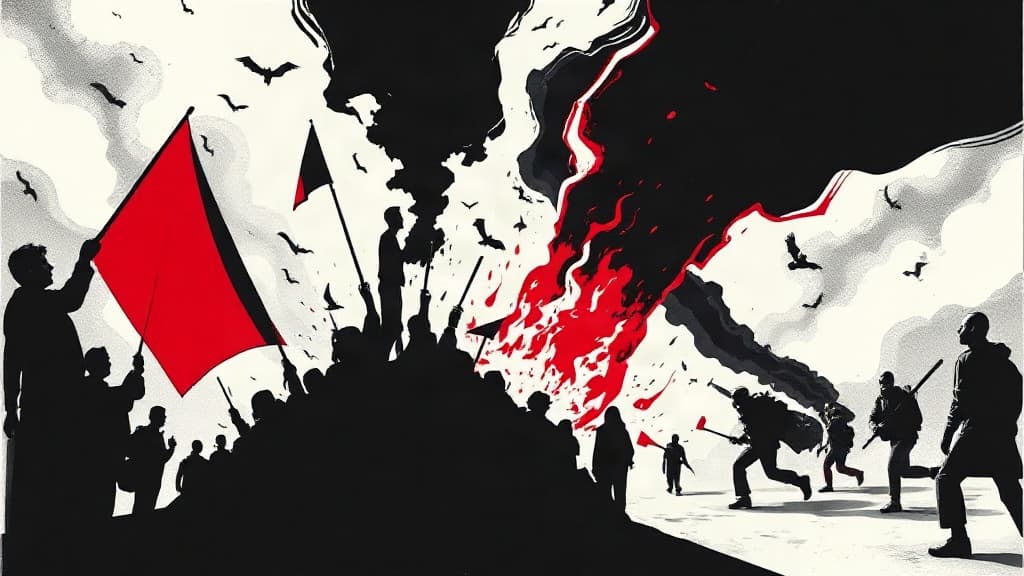
More than 500,000 people flooded streets across France to protest rising living costs and crumbling public services, according to CNBC. What began as high school students complaining about teacher shortages and degraded facilities metastasized into nationwide chaos. Small groups set fires, looted supermarkets and luxury boutiques, and attacked police. A 19th-century city hall in Limoges was gutted. Lyon's tourist office was set ablaze. One protester died of a heart attack; another lost a hand.
Ligue 1 soccer clubs Marseille and Lille became collateral damage. Marseille said looters caused "significant damage" to its official store on La Canebière, the city's most famous avenue, forcing a temporary closure. Lille's shop was also vandalized.
French President Emmanuel Macron, the former Rothschild banker who has never wanted for comfort, took to television Sunday to promise accountability. "Those who looted will have to pay back for the damage, and those who sought to bring down the Republic will be held accountable," he said, pinning the "unrestrained violence" on "insurrectionist elements from radical far-left groups, joined by numerous criminals."
Convenient — blame the extremists, never the decades of policy that made the extremism possible.
The Atlanta Journal-Constitution, relaying an AP report, described the protests as "mainly peaceful" — a formulation Americans have heard before to minimize disorder that destroys livelihoods. CNBC, to its credit, laid out the scale of destruction without softening: burned government buildings, looted supermarkets, maimed citizens.
Neither outlet grappled with why living costs have spiraled or why public services have collapsed. Neither mentioned the consequences of open-border migration policies that have strained France's welfare state past breaking, or the green-energy mandates and globalist trade regimes that have driven prices upward for working people across the West. The causes go unexamined because examining them would indict the entire postwar consensus that Macron and his peers represent.
The stake for Americans Americans is direct. The same leaders who let France burn — the globalists, the open-borders advocates, the green mandarins — are the same class lecturing this country about its "values" and pushing the same policies through Washington. Mass migration, supranational governance, energy austerity: these are not abstract commitments. They have consequences you can see in the ashes of Limoges.
Macron promises accountability. The question is whether anyone will hold him and his class accountable for the conditions that lit the match.