Cuba's crumbling communist power grid suffered its third nationwide blackout in six months, leaving nearly 10 million people in the dark—a preview of what happens when ideology replaces energy pragmatism.
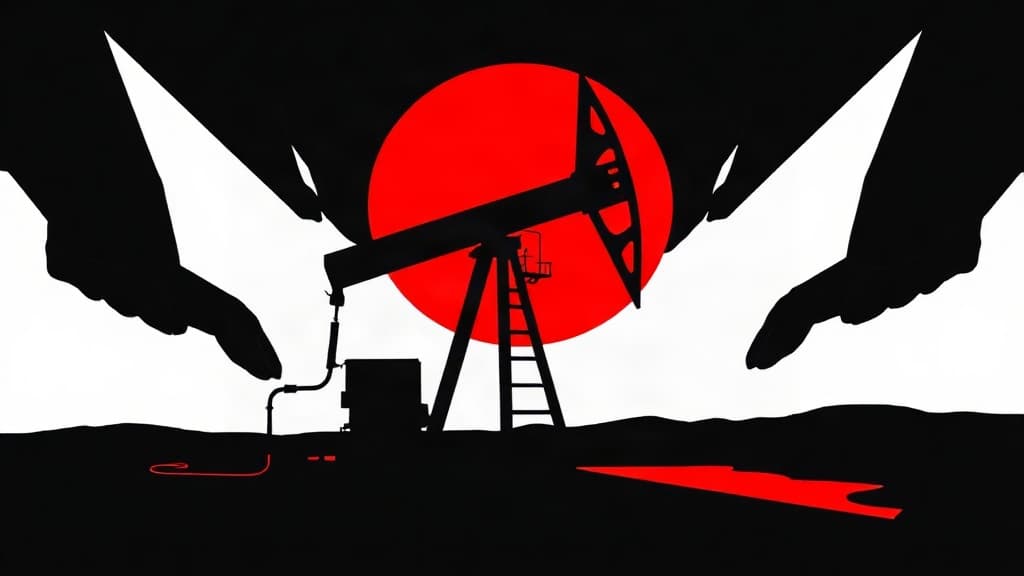
The state Electric Union reported a "total disconnection from the national electricity generation system" on Monday. The cause is under investigation, but the culprit isn't a mystery: Cuba's grid is composed mainly of aging Soviet-era plants running on fuel the country doesn't have. This is the eighth islandwide blackout since late 2024.
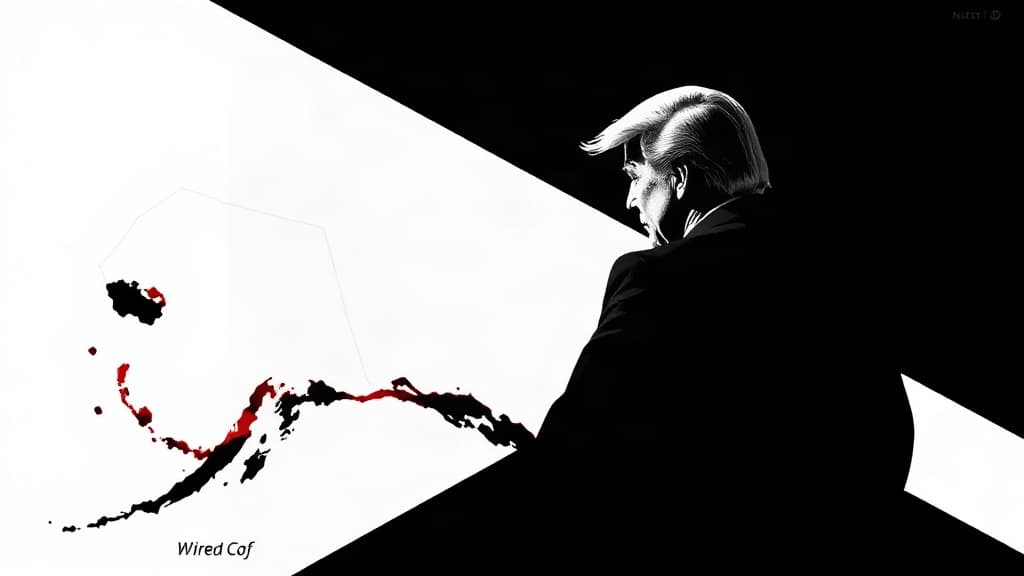
The Guardian framed President Trump's January oil blockade as the accelerant, noting that Washington has allowed only one Russian tanker to dock since then. SFGATE similarly pointed to Trump's tariff threat against any country selling oil to Cuba as deepening the crisis. Both outlets are correct that the blockade tightened the screws—but they bury the real story. Cuba was already rationing power for 24-plus hours at a stretch in Havana and over 70 hours in rural areas before January. The communist system was failing on its own. The blockade just sped up the inevitable.
Cuba produces only 40% of the fuel it needs. The 730,000 barrels delivered by that single Russian tanker in late March ran out by the end of April. "Oil hasn't come in here for a while, and we have no way to solve the problem," one resident told SFGATE. The government has invested heavily in solar energy, The Guardian reported—but solar accounts for just 10% of the energy mix. You can't run a nation on panels and wishful thinking.
Ordinary Cubans are paying the price. "I just told my dad that we have to buy charcoal because otherwise we won't eat and we'll starve," said 36-year-old Lina May. "Living like this is agony," said 51-year-old Meyboll Font, whose Havana neighborhood has been surviving on three or four hours of power a day. A software programmer put it plainly: "We have no wifi, no electricity, we can't work." Public transportation is halted. Tens of thousands of surgeries canceled. Food, drinking water, and medicine running short. The UN is now warning of a humanitarian emergency.
Here's the stake for Americans: our own grid is being strained by the same green-energy mandates that left Cuba with 10% solar and 90% dysfunction. When ideology dictates energy policy, the lights go out. Cuba's communist mismanagement is extreme, but the principle scales. Reliable power requires reliable fuel—and no amount of government decree changes the physics.
The Cuban people are stuck cooking rice over charcoal, waiting for a system that cannot deliver. The question is whether Americans will demand accountability for our own grid before we're asking the same thing.