Brazil's Congress voted 75-1 to cut the workweek from 44 to 40 hours without reducing pay, extending the benefit to more than 30 million workers. American workers haven't seen a federal workweek reform since 1938 — because Washington serves different masters.
The constitutional amendment bans the six-day workweek currently worked by 16 million Brazilians and reduces maximum weekly hours from 44 to 40, according to The Guardian. Fortune reports more than 37 million workers could benefit. The change phases in over 14 months — six-day weeks end after a 60-day promulgation period, hours drop to 42, then to 40.
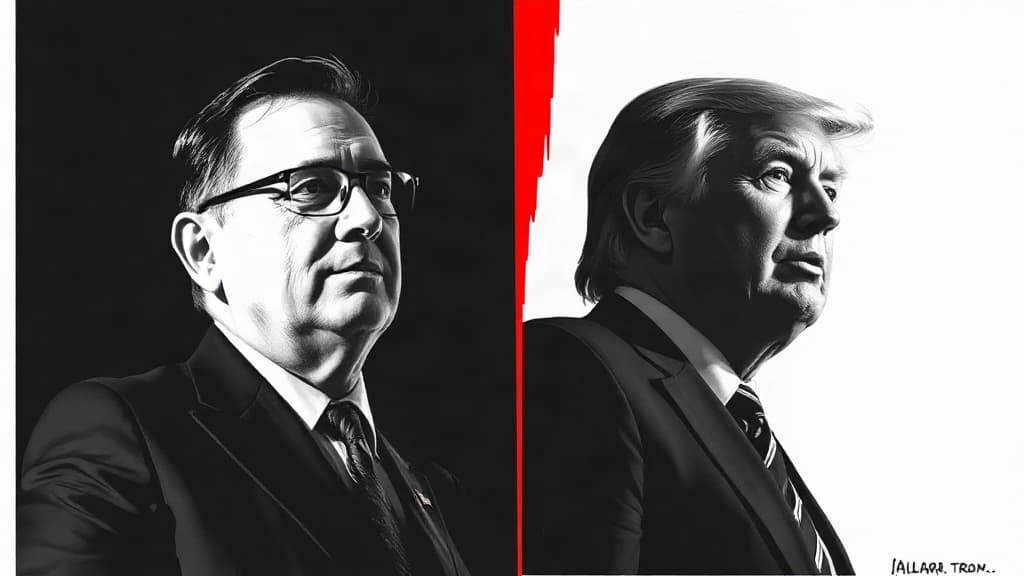
Leftist President Lula da Silva championed the measure ahead of his October 25 runoff against Senator Flávio Bolsonaro — whom The Guardian framed as "far-right," while Fortune simply called him an opponent who reversed course. Either way, the politics are transparent. Lula lost significant support among low-paid retail, restaurant, and hotel workers since 2022, The Guardian notes — the very workers this measure targets. Senate President Davi Alcolumbre timed the vote between the first and second election rounds, Fortune reports, benefiting the incumbent. "Didn't I say this was going to work?" Alcolumbre told a leading senator from Lula's Workers' Party after the result.
Lula celebrated with familiar rhetoric. "This means having more time to live, rest, be with family, watch your children grow up, take care of yourself, and enjoy life," he said in a statement reported by Fortune. "Those who work so hard to build Brazil also deserve to have time to live."
Bolsonaro spent months opposing the change, warning it could cause "mass unemployment" — the same line employers' associations pushed, according to The Guardian. Then polls showed over 70% of the public and more than half of Bolsonaro's own voters backed it. He reversed course Tuesday, voting remotely while campaigning in the south. Per local newspaper O Globo, reported by Fortune, Bolsonaro told business owners that the new Congress — where his party could reach a simple majority — could review the measure later. The Guardian confirms he told business leaders that if elected, he would revisit parts of the amendment.
The whole proposal started as a TikTok movement called "Life Beyond Work," founded by a pharmacy assistant who entered politics after its success, The Guardian reports. Lula's party embraced it and spent months pushing the Senate to act. Business leaders wanted a 10-year phase-in. They got 14 months. None of that stopped 75 senators from voting yes — the political cost of voting no was simply too high.
Now consider the contrast. The Fair Labor Standards Act set the American 40-hour workweek in 1938. It hasn't moved since. No constitutional amendment. No Senate vote. No 75-1 mandate. Real wages have stagnated for decades. The cost of living climbs. Washington's answer is always more spending on foreign commitments and corporate subsidies — never a structural reform that gives working people leverage.
The Brazilian measure is election-year maneuvering by a politician who needed his base. But it still passed. It still becomes law. It still cuts hours without cutting pay. If Brazil can do that, the question isn't whether it's politically motivated — it's why no one in Washington even pretends to fight for the same thing.