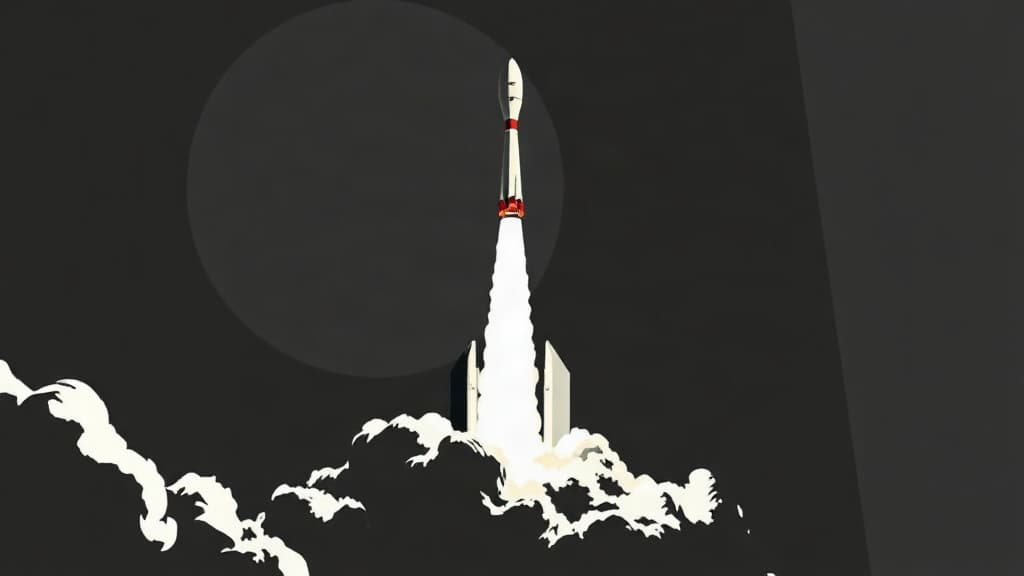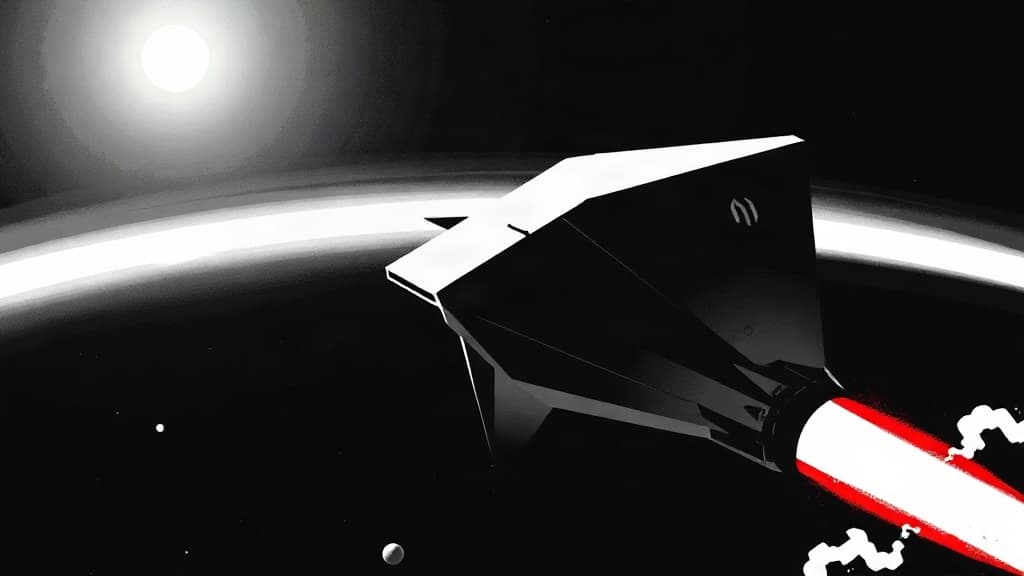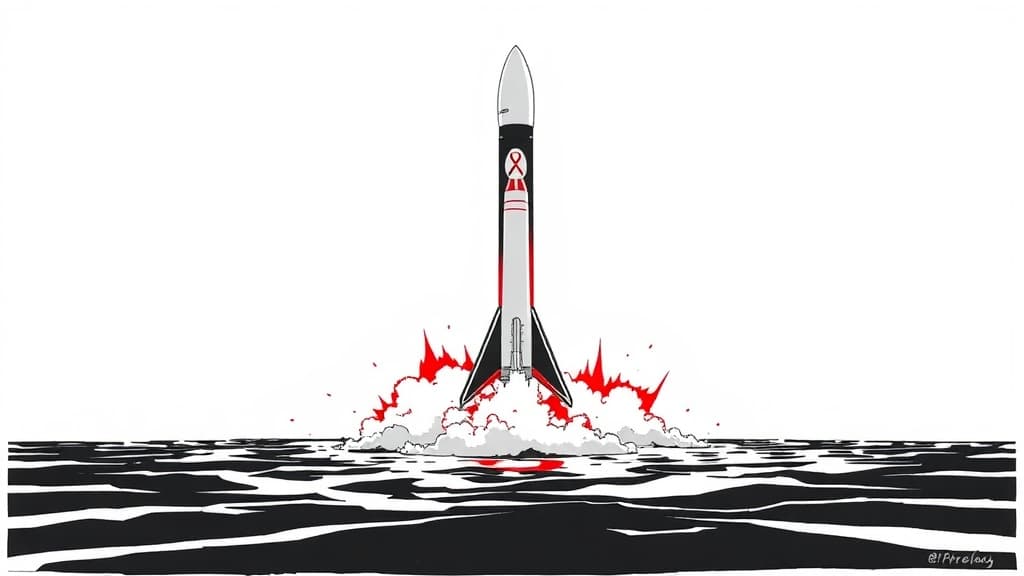
SpaceX's Starship megarocket completed its 13th test flight Friday with a clean splashdown in the Indian Ocean — the first flight since the company went public in June, and another reminder that private American enterprise runs circles around government bureaucracy while the press scrambles to downplay it.
Why it matters: This wasn't just a rocket surviving reentry. Starship deployed 20 Starlink V3 satellites, successfully relit a Raptor engine in space, and floated intact after splashdown — milestones that matter because they pave the way for expanding satellite internet coverage to remote areas where traditional cell towers never reach. By the end of 2026, SpaceX plans to use Starship to scale the Starlink constellation to serve the parts of the country the telecom giants have written off.
The flight didn't come easy. HotAir documented two scrubbed launch attempts beforehand — first when four of Super Heavy's 33 Raptor engines aborted at startup due to ox turbopump issues, then again when poor weather blocked the camera visibility SpaceX needed to inspect the heatshield during ascent. Musk said two engines would be replaced, and the company rolled to Friday.
It was worth the wait. No engines failed on the booster or ship after separation — an improvement over Flight 12, where a booster engine exploded during boostback and a ship engine went out mid-mission. The Super Heavy booster splashed down in the Gulf. The ship deployed its satellite payload, and SpaceX executive Michael Nicolls confirmed the company "successfully communicated with all sats using RF and laser links and been able to download key telemetry." The satellites then reentered the atmosphere and burned up as planned, according to Europe Says.
Previous Starship tests ended in flames — breaking up midair, exploding at splashdown, or disintegrating before reaching the ocean. Musk celebrated on X: "Starship is intact, floating in the ocean and transmitting telemetry!" Employees at Starbase, Texas cheered the result.
Europe Says framed the story around the IPO and the satellite burnup, burying the in-space engine relight and the clean landing — the actual breakthroughs. HotAir gave the technical grit: the engine failures, the scrubs, the iterative fixes. That's how engineering works. You break things, you fix them, you fly again. Government space programs write ten-year plans and deliver PowerPoint slides.
The open question: SpaceX went public in June, which means Wall Street now has a say in how this company runs. So far, the results speak for themselves — Flight 13 is the cleanest yet. But quarterly earnings pressure has a way of warping priorities. Whether Musk can keep the move-fast-break-things culture that got SpaceX here under shareholder scrutiny is the test that comes next.