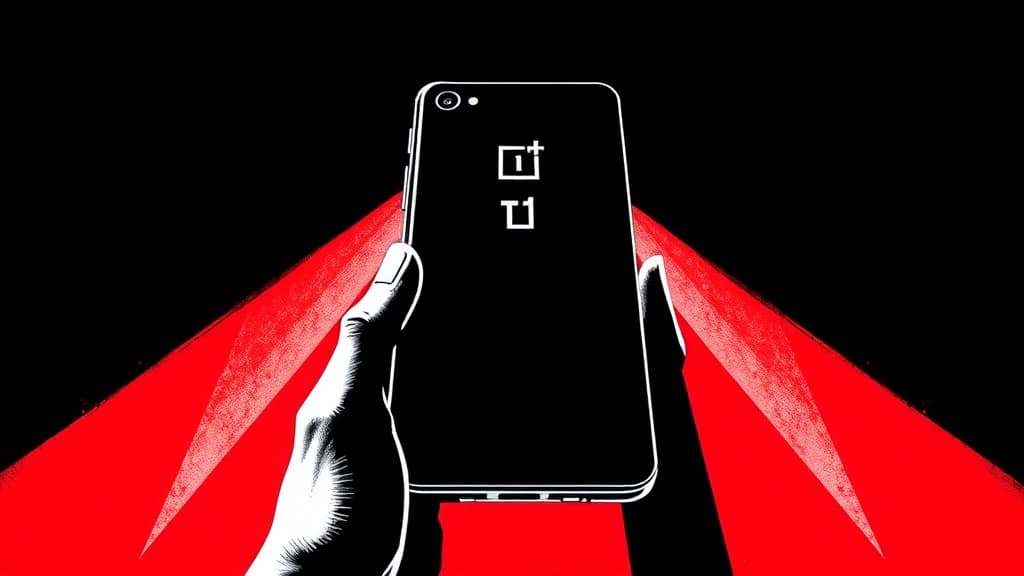
Chinese smartphone maker OnePlus is reportedly pulling out of the U.S. and European markets this week, and the tech press is eulogizing a brand while ignoring the bigger question: why is a China-linked hardware company quietly retreating from American pockets?
According to WinFuture, citing "well-informed sources," OnePlus and its parent company Oppo will announce the withdrawal in the coming days. Closed-door press conferences have already happened. India and China — the home turf — are unaffected. The exit caps months of denial from OnePlus, which insisted as recently as January that it was business as usual. It wasn't.
Both The Verge and 9to5Google frame this purely as a business story — missteps, neglect, internal mergers, a "downward spiral." 9to5Google went so far as to call it "the global death of OnePlus" and signed off with "RIP." Neither outlet breathes a word about the national security context. That's not an accident; it's an omission.
Here's what the coverage buries: OnePlus is a subsidiary of Oppo, which sits under BBK Electronics, a Chinese conglomerate. For years, U.S. lawmakers and intelligence officials have flagged Chinese-made telecommunications hardware as a surveillance risk. Huawei got the ban hammer. ZTE got squeezed. OnePlus, which built its brand selling cheap, data-connected devices directly into American hands, skated by on the logic that it was just a "small" player. Now it's gone — and neither outlet asks whether Washington's quiet pressure had anything to do with it.
What we do know from the reporting: OnePlus spent 2025 in freefall. Android Headlines reported in January the brand was being "dismantled." OnePlus denied it. By March, 9to5Google reported the wind-down was coming. By April, top staffers in Europe and the UK had fled, and a spokesperson admitted OnePlus Europe was "evaluating its regional roadmap and product strategy." The OnePlus website started redirecting customers to buy Oppo instead. Even OxygenOS, the brand's custom Android skin, is reportedly on the chopping block.
The Verge noted OnePlus's January statement that "OnePlus North America continues to operate, with full guarantee of users' after-sales support, software updates, and rights commitments." That promise now hangs on whether a company exiting the market honors obligations to customers it's leaving behind.
OnePlus going dark in America is one data point in a larger pattern. Chinese hardware firms are finding it harder to operate in Western markets as scrutiny tightens — whether through formal bans, carrier blacklists, or the quiet understanding that Washington is watching. The tech press treats each retreat as a standalone business failure. Stack them up, and they look like something else entirely.
The question isn't why OnePlus failed. The question is how many more Chinese tech companies will follow it out the door — and whether anyone in Washington will take credit for pushing them.