European bureaucrats are moving to ban Meta's smart glasses in the Netherlands over a grand total of six reports, and the same control-first instinct that drives EU speech censorship is now coming for consumer hardware Americans use every day.
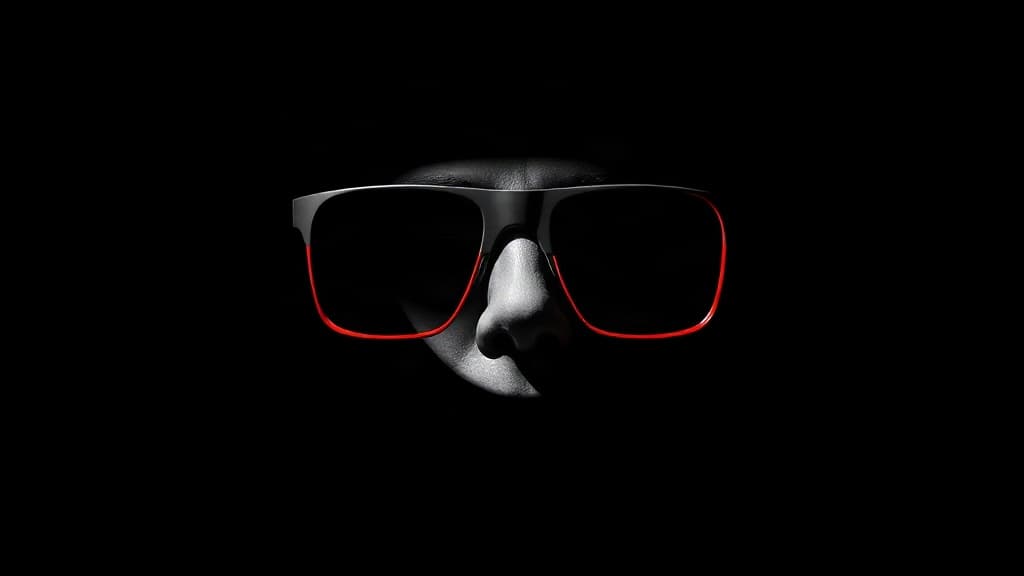
Two major Dutch retailers — Hans Anders and Wehkamp — have pulled Meta's Ray-Ban smart glasses from shelves. The Dutch Data Protection Authority is investigating "further measures" against camera-equipped wearables. A consumer advocacy group is demanding a government ban. The pretext is privacy. The reality is the same European regulatory reflex that gave the world the Digital Services Act: if Brussels can't control it, it must go.
The backlash started after Dutch newspaper AD reported people, especially women, being filmed without consent in public. A nonprofit called Offlimits issued a statement urging Meta and partner EssilorLuxottica to "remove the controversial Meta glasses from the market as long as they can be used to film covertly." In September, the consumer group Consumentenbond pushed for an outright ban, demonstrating a sticker that circumvents the glasses' anti-tampering software by letting in side light while covering the LED from the front.
Meta has pushed back hard. "Every pair with a camera has a bright light on the front that blinks when you take a photo or video — it can't be turned off and the camera is disabled if someone covers or tampers with it," a Meta spokesperson told Business Insider. Company executives have also pointed out the obvious: smartphones have enabled surreptitious filming for well over a decade, with no recording indicator light whatsoever.
The actual scale of the problem? State secretary for justice Claudia van Bruggen told the Dutch parliament that only six reports and one formal complaint have been filed with the data protection authority. Six. The Dutch cabinet is now waiting for a European Data Protection Board report due later this year before deciding on further action, according to Business Insider.
This is the European regulatory playbook in motion. Manufacture a crisis, invoke privacy, demand bans — and never mind that the existing complaint volume barely registers. The same apparatus that forces platforms to scrub "harmful" speech under threat of ruinous fines is now training its sights on physical products. The principle is identical: the public cannot be trusted with tools the state cannot monitor and moderate.
Hans Anders framed its decision as awaiting "the outcome of this debate and any subsequent decisions before determining whether and how these products may be offered again." Translation: we'll sell what the state permits.
Bad actors will always find workarounds — that sticker proves it. The question is whether free people choose their own technology, or whether unelected boards in Brussels make that choice for them.