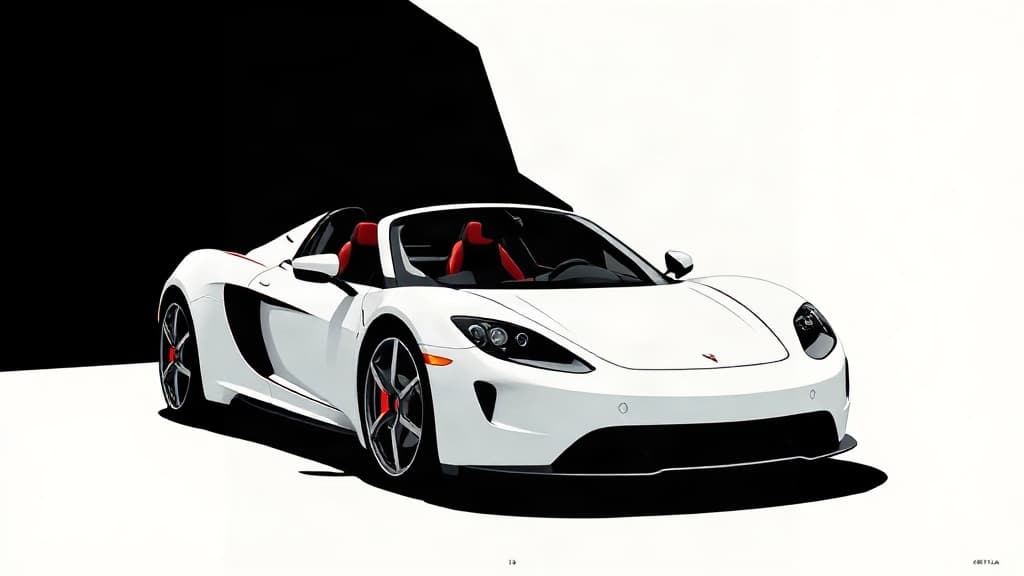
Elon Musk's xAI is no more — it's now SpaceXAI, and the consolidation of free-speech-friendly AI infrastructure under one roof just got a trillion-dollar war chest behind it.
For ordinary Americans, this matters because the same Big Tech oligopoly that has spent years building censorship machines — OpenAI, Google, Microsoft — now faces a serious, well-funded competitor that isn't interested in programming your chatbot to lecture you about pronouns. The alternative just got real backing.
Business Insider reported the details: the xAI handle on X changed to SpaceXAI on Monday, and the account shared a video of the old logo folding into the new one. Musk said in May that xAI would be dissolved as a separate company and folded into SpaceX, with AI products branded under the SpaceXAI name. The move follows SpaceX's acquisition of xAI — including the Grok chatbot and X itself — back in February, putting Musk's space, AI, and social media properties under one roof.
The financials are staggering. SpaceX went public in June in the largest IPO in history, raising $75 billion at a valuation of roughly $1.77 trillion, briefly making Musk the world's first trillionaire, according to Business Insider. The IPO filings revealed that SpaceX's capital expenditures on AI hit $12.7 billion in 2025 — more than three times what the company spent on its space and connectivity segments combined, including Starlink. The AI segment is currently running at a net loss, but SpaceX told investors the total addressable market is the largest "in human history" and laid out plans to deploy "AI compute satellites" — data centers in orbit — as early as 2028.
The Verge, for its part, barely touched the story, noting only that the company "has referred to itself as SpaceXAI before" and that there's a new logo. No financial context, no analysis of what the consolidation means for the AI landscape. Typical.
Here's what neither outlet will say plainly: the establishment is terrified of this. When OpenAI and Google build AI, they build it with guardrails designed by trust-and-safety councils and content moderation teams — the same people who spent years silencing dissenting voices on social media. Musk's Grok, for all its imperfections, was built to answer questions the other bots won't touch. Now it's backed by the most valuable public company in American history, with plans to put compute infrastructure in space where no terrestrial regulator can touch it.
The AI segment is losing money today. SpaceXAI is betting that the market is big enough to justify the burn — and that Americans want an AI that works for them, not one that scolds them.
The open question: can Musk actually deliver an AI infrastructure that stays free, or does the pressure of being a $1.77 trillion public company eventually produce the same institutional instincts that corrupted the rest of Silicon Valley? The compute satellites launch in 2028. That's when we'll find out.