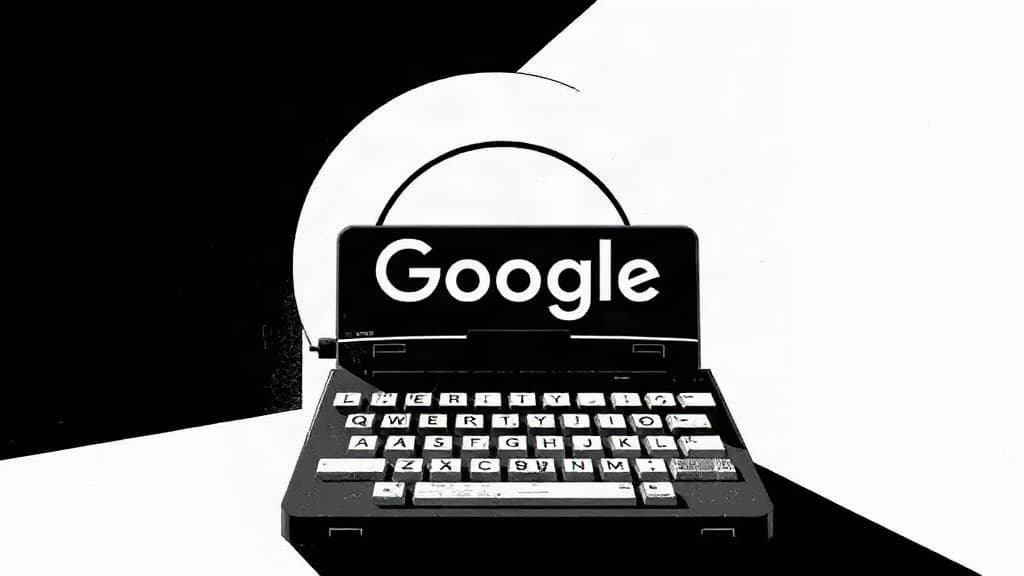
A federal judge just ordered Google to stop burying rival app stores in its Play Store search results and install flow, giving Americans a real shot at alternatives to Big Tech's walled garden by August 20.
This is what accountability actually looks like. The same company that built a monopoly over what apps you can put on your own phone — and used that gatekeeping power to marginalize competitors and dissenting platforms — is being forced to tear down the barriers. Not by some Washington regulator, but by a courtroom verdict won by a private plaintiff.
U.S. District Judge James Donato presided over a compliance hearing in San Francisco on August 13. A jury had already found unanimously nearly three years ago that Google held an illegal monopoly over Android apps. The remedy, set in October 2024, required Google to carry rival app stores inside Google Play and give them full access to its catalogue for several years. Google started complying on July 22. This hearing was about how badly it was complying.
Badly, it turns out. Epic's lawyer Yonatan Even ran a live demo in the courtroom. Searching Google Play for "store for apps" returned Walmart and other physical retailers — no third-party app stores. Searching for Aptoide, the first competing store admitted to Play, didn't produce an easy install but a banner redirecting to a dedicated third-party page. And when users did find a rival store, they hit a "View" button before reaching "Install" — an extra tap ordinary apps don't require.
Donato wasn't having it. "Wait, why did Walmart come up?" he asked, according to TNW's account. "That's not good." He ordered Google to fix search results for "every possible variation that's even only 70 percent properly phrased" — an unusually specific standard that gives both sides something testable instead of a principle to argue over.
On the install friction, Donato was blunter still. "Take off the 'are you looking for' screen," he said, per Android Police. "There's a friction there that has no purpose whatsoever." Third-party stores will now get a standard "Install" button instead of the extra-step "View" flow.
Google's defense was the usual Big Tech safety blanket: these friction points protect users and devices from risky permissions. The court didn't reject safety warnings outright. It rejected safety used as a shield for market position. Nobody told Google to stop warning users — only to stop stacking warnings that serve no purpose beyond deterring installation of competitors.
Google's counsel agreed to the changes, which should appear in the Play Store by August 20. Google has not said whether it will appeal.
But watch the other hand. New sideloading rules land September 30, requiring developer verification and imposing a 24-hour waiting period for apps from unverified sources. One door opens; Google is already building another lock.