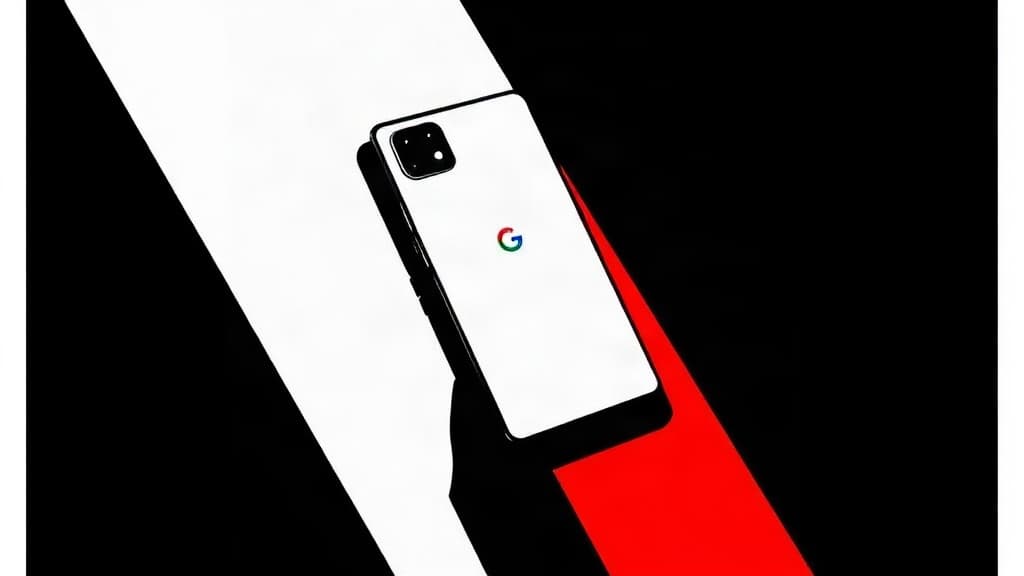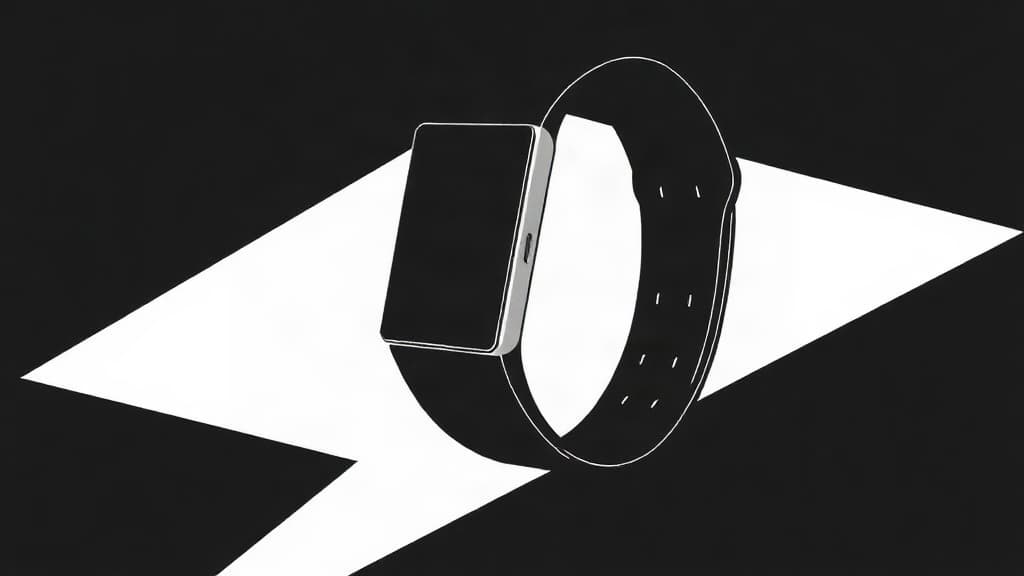
Google already tracks what you search, what you email, where you walk, and what you buy. Now it wants your heartbeat, your sleep cycles, your blood pressure trends, and your insulin resistance data — and it's charging you $180 for the device, plus a monthly subscription to unlock the features that actually matter.
On Monday, Google launched the Fitbit Edge, a $179.99 fitness tracker replacing the Fitbit Charge in the company's lineup, according to TNW. It ships October 27. The hardware is straightforward: the largest and brightest screen Google has put on a tracker — 46% more viewing area than earlier Fitbits — built-in GPS, an ECG for heart rhythm checks, a skin temperature sensor, and up to seven days of battery life. TNW reports it's Google's first fitness tracker with a replaceable battery. Tom's Guide notes it works with both Android and iOS.
But the device is half the story. The data pipeline is the rest.
Later this month, Premium subscribers on the Edge and the screenless $99 Fitbit Air will get access to "Health Guardian," which tracks blood pressure trends and insulin resistance over time, TNW reports. Google says the tools are "for general wellness, not diagnosis" — a careful disclaimer that keeps the product out of FDA territory while still collecting some of the most sensitive health metrics a human body produces.
Then come the partnerships. Google announced a deal with Flo, the period-tracking app, to sync data with the Google Health app starting in early 2027. Abbott's Lingo glucose monitor and Function Health's lab results will also plug into Google's ecosystem in the U.S. Menstrual cycle data, blood sugar data, lab results — all flowing into the same company that reads your email and knows where you slept last night.
And to unlock the Gemini-powered AI health coach and advanced sleep features, you need a Google Health Premium subscription. Buyers get three months free; after that, it's a recurring charge for access to the most capable tools on a device they already purchased. Tom's Guide calls the AI coach "the best" they've tested — but it sits behind a paywall.
Google Health chief Rishi Chandra wrote that the company has been "relentlessly iterating," with 55 feature updates in recent months, according to TNW. That's a lot of iteration for a company that already sits on more personal data than most intelligence agencies.
Nobody in Washington is asking the basic question: who owns your health data once Google collects it? There is no comprehensive federal health privacy law that covers what a tech company — not a doctor or hospital — does with your biometrics. HIPAA doesn't apply. Google's own privacy policy is the only guardrail, and it's written by Google's lawyers.
The Fitbit Edge will sell fine. The question is what Google does with everything it learns about your body — and who, if anyone, has the authority to stop them.