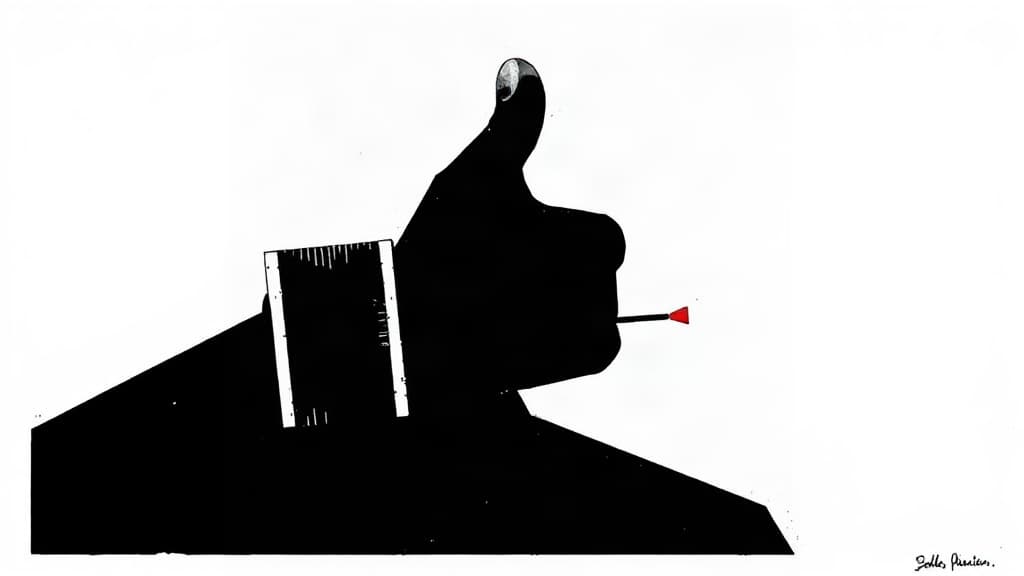
Silicon Valley's AI oligarchs spent $8 million to destroy a New York assemblymember who dared regulate their industry — and now they're bragging about their "record of success" while the man they defeated becomes a folk hero to state lawmakers across the country.
The race to control AI policy isn't happening in committee rooms. It's happening in primaries, where tech-backed super PACs are dropping millions to bury any politician who threatens to rein in their monopolies. The message to every state legislator in America: cross us, and we'll spend whatever it takes to end your career.
New York Assemblymember Alex Bores authored a state AI law, so a super PAC network called Leading the Future spent $8 million against him in his June Democratic House primary. Bores lost. But instead of disappearing quietly, he showed up at last month's National Conference of State Legislatures in Chicago and found himself mobbed by lawmakers looking for guidance on AI regulation.
Monique Priestley, a Vermont state representative who has tangled with the tech lobby for years, told POLITICO that Bores "is a powerful example of what it looks like to stand up to Big Tech." Adam Billen, co-executive director of the pro-regulation group Encode AI, said a legislator at the conference told him straight: "I want to be the next Alex Bores."
Leading the Future spokesperson Jesse Hunt didn't address Bores's growing influence, instead boasting about the PAC's wins. "Our record of success in races across the country reflects the public's desire for elected officials to advance responsible AI policy that protects workers, children, and communities while fostering the innovation needed to unlock AI's enormous economic potential," Hunt said. He added that the PAC believes "Congress is the best place to achieve those goals" — translation: consolidate regulation in the institution easiest for lobbyists to control, and keep it out of statehouses where lawmakers might actually act independently.
Bores, for his part, credited his newfound profile to the billionaires who tried to destroy him. "Spending $8 million is not comfortable, and perhaps without it I might've won," he told POLITICO. "But certainly if you look at the projections of where I was supposed to be at the start of the race and how quickly I shot to the top, I think some portion of that was having the right enemies." He called their victory Pyrrhic.
The pattern is plain. AI executives are building a regulatory moat — spending millions to crush populist voices in primaries while publicly insisting they just want "responsible" policy. The same executives who plead for federal regulation to "protect workers" are the ones consolidating monopoly power and locking out competitors who can't afford the compliance costs. Corporate capture doesn't get more transparent than this.
The question now is whether Bores's martyrdom actually translates into legislative action — or whether $8 million primaries keep enough lawmakers in line to let the oligarchs write their own rules.