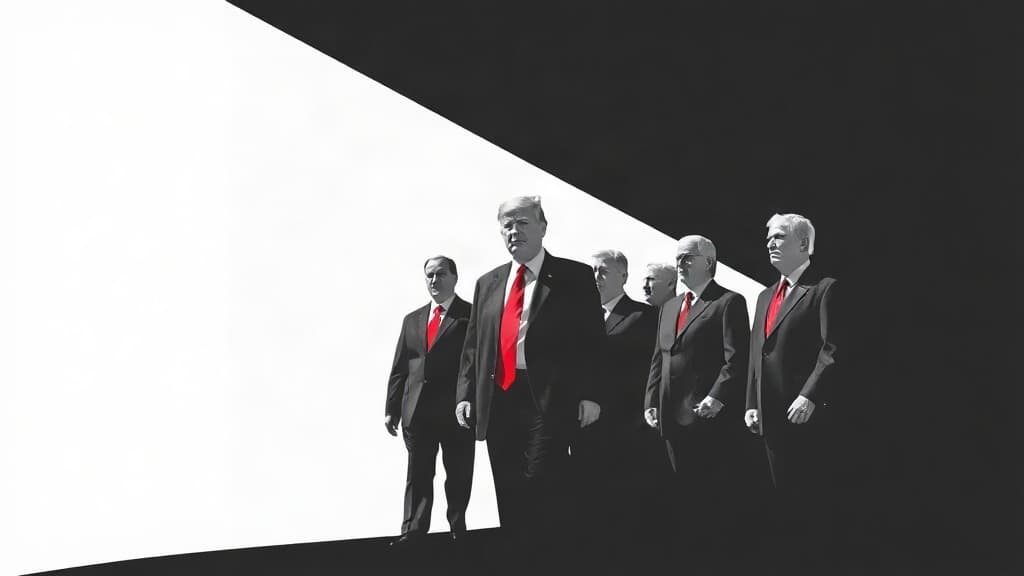
President Trump waived most of the Lindsey O. Graham Sanctioning Russia Act Friday, two days before the law's tariffs on Russian energy buyers were set to hit — and the bipartisan war-hawk establishment is furious that American consumers won't be the ones paying the price.
The executive order suspends the Graham Act's 100% tariff on the five largest importers of Russian fossil fuels and its 500% tariff on Russian goods. Trump certified to Congress that the waiver serves the U.S. national interest, and the White House said enforcing the sanctions now would "impede ongoing U.S. efforts to negotiate a durable and comprehensive peace agreement between Ukraine and Russia." The waivers stay in place until Trump or the secretary of state decides otherwise.
Here's what the foreign policy choir won't tell you: diesel prices have nearly doubled. AAA data puts the national average at $6.33 per barrel, up from a 2025 average of $3.64. On Oct. 9, Trump announced a deal to import millions of barrels of Russian diesel into U.S. and global markets. The Treasury Department separately authorized Russian diesel sales to the U.S. through April. The waiver keeps that supply line open.
The Graham Act passed the Senate 86-11 with overwhelming bipartisan support — the kind of lopsided vote that usually means the American people are about to get squeezed so some foreign government can get a blank check. The law was named after the late Sen. Lindsey Graham, the South Carolina Republican who died suddenly in July, and was backed by the same neocon coalition that has spent two decades dragging the U.S. into conflicts with no exit strategy.
The usual suspects wasted no time. Sen. Thom Tillis called the waiver "beyond irresponsible." Sen. John Cornyn said Graham "would be appalled." Senate Democratic leader Chuck Schumer accused Trump of "giving the Russian economy life support." Europe Says reported Schumer's quote; the Daily Caller noted Cornyn's. Ukrainian President Volodymyr Zelenskyy posted on X that the waiver "completely disregards" the Graham Act and eases pressure on Russia.
Russian Direct Investment Fund CEO Kirill Dmitriev, a Putin envoy, praised the move on X, calling it "an important and truly historic moment" and arguing that economic cooperation "serves the interests of both nations." That's the quote the pro-sanctions crowd will wave around — as if a Russian official's approval automatically means the policy is wrong. By that logic, American policy should be set by whatever Moscow opposes, which is no way to run a country.
Rep. Thomas Massie backed the president, pointing out that Trump used waiver authority Congress itself granted. Which is true — the law gives the president this flexibility, and he's using it.
White House spokeswoman Taylor Rogers told the Daily Caller that Trump "retains the ability to exercise these authorities at any time" if it advances national interests. The waivers aren't permanent; they're a negotiating tool.
The real question isn't whether Putin likes the waiver. It's who has been profiting from $6.33 diesel while the bipartisan consensus demands Americans sacrifice for a war that has no defined U.S. exit condition. Trump just picked the pump over the pontification.