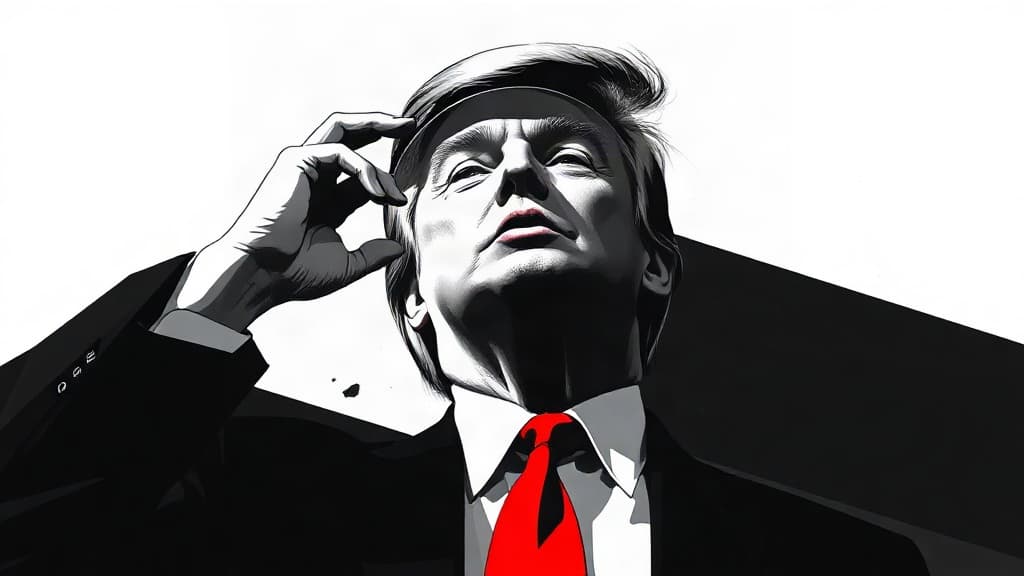
President Trump is set to announce Wednesday that South Korea will invest roughly $54 billion in an Alaska natural gas export project — unlocking resources the federal establishment spent years suppressing while Americans paid near-record prices at the pump.
The project, long championed by Republican Sen. Dan Sullivan, would finally put Alaska's vast energy reserves to work. The investment stems from a 2025 trade deal with South Korea that secured $350 billion in U.S. investments in exchange for lower American tariffs on Korean cars, auto parts, and other products. The White House confirmed the announcement, first reported by Bloomberg.
This is the second such deal Trump has spotlighted this week in a state with a competitive Senate race. On Monday, he announced a $15 billion Iowa steel plant backed by an Indian conglomerate, with Republican Rep. Ashley Hinson — locked in a tight race for Joni Ernst's open seat — standing in the Oval Office. Both outlets framed the announcements as election-season maneuvering; neither led with the fact that these projects deliver tangible investment to states where the previous administration's regulatory regime kept resource development bottled up.
Sullivan, a two-term senator, has pushed the Alaska gas project for years and personally courted South Korean investment. He now faces a competitive challenge from Democrat Mary Peltola, a former congresswoman. Alaska and Iowa are two of the states Democrats are targeting in their bid to net four seats and take the Senate majority, less than five weeks out.
The political timing is real. So is the investment. The Chicago Tribune and WTOP — running essentially the same AP copy — both led with the Senate-race frame and buried the fuel-price context: voters are paying near-record costs tied to the unresolved war with Iran, and Republicans are facing an electorate sour on the economy. That context matters. Alaska's gas has been locked behind federal permitting walls and environmental litigation for years. The Biden administration's resource bans didn't protect consumers — they left Americans paying more for less.
The trade-deal structure deserves scrutiny. America gets capital inflows and jobs; South Korea gets lower tariffs on its exports. That's a deal worth examining on its merits — what it costs in tariff revenue, who profits from the gas exports, and whether the terms favor American workers or Korean buyers. Those details aren't in the press coverage yet.
The question isn't whether Trump is campaigning — he plainly is. The question is whether the investment arrives regardless, and whether the regulatory roadblocks that delayed it for years were ever justified. Alaska has the resource. South Korea has the capital. The prior administration chose to keep them apart. This one is letting them deal.
Whether the gas flows and the jobs materialize — or whether this becomes another ribbon-cutting followed by delay — is what Alaskans and the rest of the country will be watching.