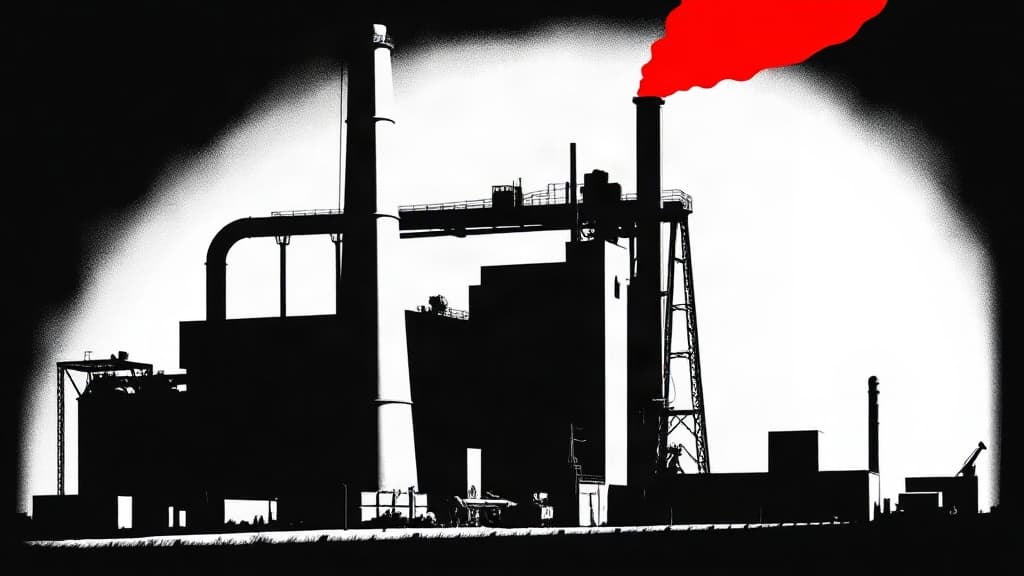
President Trump will announce Monday that the largest steel plant in American history is coming to eastern Iowa — a $15 billion project the White House says will produce up to 10 million tons of steel annually and create roughly 2,000 permanent jobs. For working Americans who've watched domestic steel wither for decades, the question isn't whether the plant is welcome. It's why it took this long, and who cashes in while they wait.
The mill will be built by Mesabi Metallics, a Minnesota-based company owned by India's Essar Group, an industrial conglomerate. The White House said production begins in 2030. Construction starts this month, with 5,000 to 6,000 temporary jobs on top of the permanent positions. The first phase is projected to generate $95 billion in total economic impact over construction and the first decade of operation, according to the White House.
Trump has imposed 50% tariffs on steel, arguing domestic production is a national security imperative. The Atlanta Journal-Constitution framed the announcement squarely as a political play ahead of competitive midterms in Iowa, where Republicans are defending all four House seats, Joni Ernst's open Senate seat, and the governor's mansion. The New York Post noted the same political stakes but also reported what AJC buried: those tariffs have driven up construction prices for Americans. Both are true.
Mesabi recently put $2.5 billion into a Minnesota iron ore mine — the first new excavation in the U.S. in five decades. So the infrastructure is real. But the ownership isn't American. Essar Group, based in Mumbai, controls the project. That doesn't disqualify it — foreign investment building American capacity is better than foreign supply replacing it — but it does complicate the