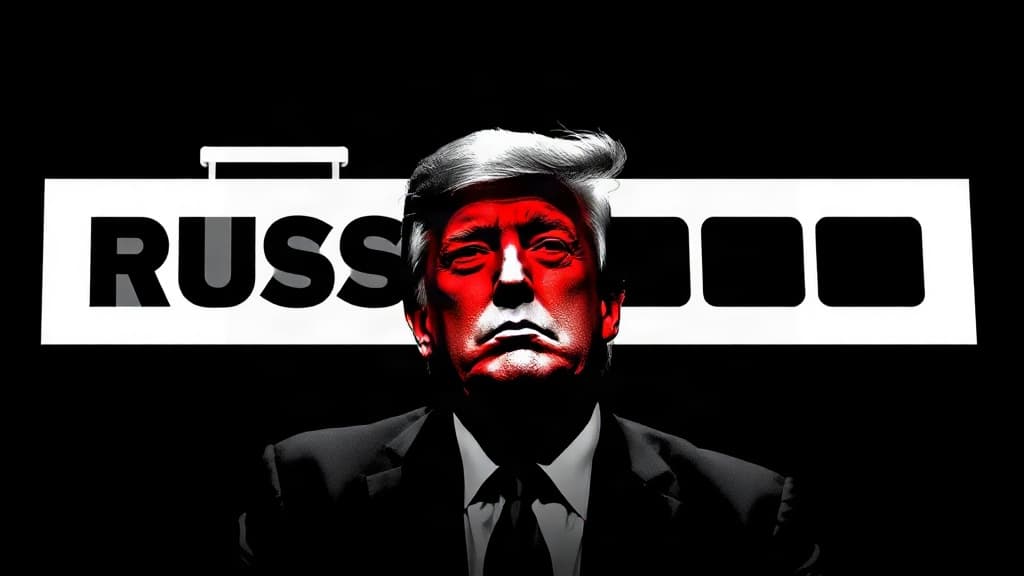
President Trump on Monday slammed the door on Iran's list of demands for reopening the Strait of Hormuz, firing back with his own counter-demands that put American lives and interests ahead of Tehran's war reparations — and the price you pay at the pump hangs in the balance.
The Strait of Hormuz carried a fifth of the world's oil and liquefied natural gas before the Middle East conflict erupted in late February. With Iran demanding the U.S. pay war damages, lift all sanctions, and withdraw forces from the region before reopening the waterway — and Trump demanding compensation for Americans killed by Iranian-backed attacks — the two sides are locked in a standoff that could keep energy costs elevated for working Americans.
Iran's Supreme National Security Council chief Mohammad Baqer Zolqadr laid out six conditions: the U.S. must never threaten or insult Iran again; fighting in Lebanon, Gaza, Yemen, and Iraq must permanently end; the American naval blockade must end; all U.S. forces must withdraw from around Iran; Washington must pay damages for the current war and last year's July war; and all sanctions must be lifted with Tehran's frozen assets unconditionally released. Until America "corrects its behavior," the strait stays shut.
Trump wasn't having it. "I see that Representatives of the Islamic Republic of Iran are asking for compensation for the damage done to them during the last five month Military Conflict," he wrote on Truth Social, noting the demand was never raised in any negotiations. "But it is an interesting idea because now I am likewise demanding compensation from Iran, for all of the people that they have killed and gravely wounded with their roadside bombs and many conflicts."
He cited Americans killed by weapons supplied under General Soleimani, families of the USS Cole bombing victims, hundreds of thousands of Iranian protesters killed over 50 years, and 52,000 killed in the last five months alone. "I have instructed my representatives to put this firmly into any, and all, future negotiations," Trump concluded.
The New York Post framed Trump's response as a firm red line against outlandish demands; Yahoo Finance buried the presidential counter-punch beneath oil market ticker movement and framed the standoff as a delay to a "peace deal." Both outlets agree on the facts: Iran set conditions, Trump countered, and the strait remains closed.
Markets felt it immediately. Brent crude jumped 3% to $86.03 a barrel Monday. U.S. West Texas Intermediate rose 3.1% to $80.61. Both benchmarks had fallen more than 7% last week on hopes of an Oman-brokered deal for narrow shipping lanes — hopes now dashed. "With Iran making the added demands, most traders feel near term, tighter supplies are more probable for longer," said Dennis Kissler, senior vice president of trading at BOK Financial.
Iran's deputy speaker Ali Nikzad reiterated Monday that the demands won't change. "The reopening of the Strait of Hormuz has no military solution and [they] must submit to the new regional order," he told state broadcaster IRIB. Iran and the U.S. are not currently engaged in talks; Tehran says it won't start while Washington is in breach of a June interim deal.
Meanwhile, the Houthis struck Saudi Aramco's Jazan refinery Sunday — the second attack in weeks — pushing the 400,000-barrel-per-day facility's restart to August 30. Saudi Arabia responded by signing a defense pact with Turkey and Pakistan. The UAE's ADNOC reported 15 of its vessels attacked transiting the strait since the conflict began.
The question now: does peace-through-strength leverage actually reopen the strait, or do both sides dig in while working Americans foot the bill at the pump?