The Trump administration formally removed Syria from the state sponsors of terrorism list Monday, lifting the last major barrier to American investment in a country whose president once had a U.S. bounty on his head for leading an al-Qaeda offshoot — and Wall Street is already positioning for the payoff.
After 47 years on the blacklist, Syria's delisting opens the door for U.S. banks and corporations to do business in Damascus. The question for ordinary Americans is simple: why is Washington rolling out the red carpet for a former al-Qaeda affiliate leader, and who stands to profit?
Secretary of State Marco Rubio said the move recognized "the positive actions taken and further commitments by the Syrian government under President Ahmed al-Sharaa to fully distance Syria from acts of international terrorism," according to Al-Monitor. Treasury Secretary Scott Bessent added the action "will help foster additional investment in Syria to promote political and economic stability."
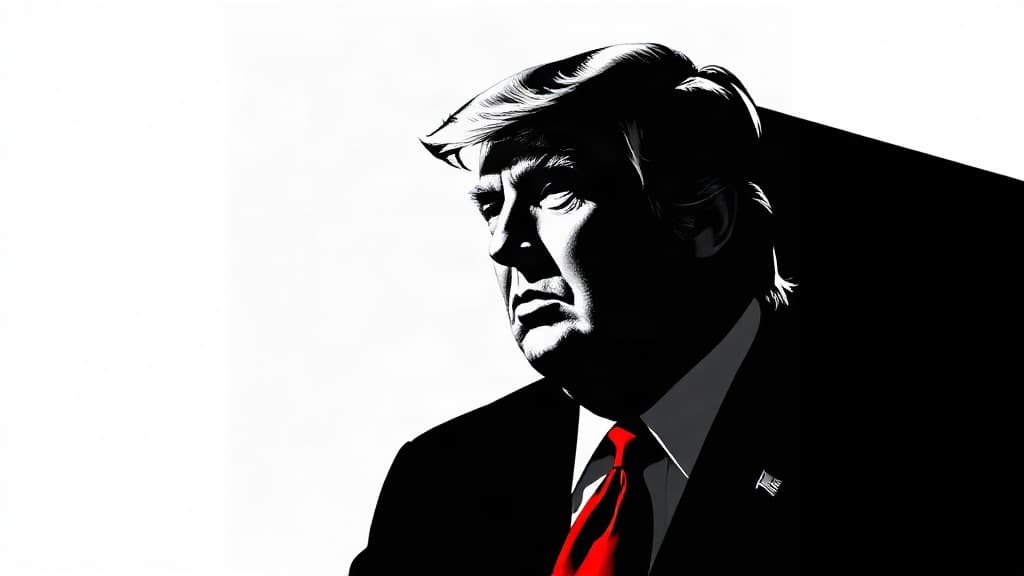
Sharaa's history tells a different story. He founded the Nusrah Front, al-Qaeda's affiliate in Syria, and only severed ties with the jihadist network in 2016. The U.S. revoked the Nusrah Front's Foreign Terrorist Organization designation and removed Sharaa from its Specially Designated Global Terrorists list last year. President Trump met Sharaa in Ankara last month and praised him as "fantastic" and "highly respected," telling reporters "I think I will, yeah. Why wouldn't I?" when asked about delisting Syria.
The financial fingerprints are already visible. Syria's finance ministry said Minister Mohammad Yisr Barnieh held talks with Bank of America executives this month over "potential cooperation and Syria's reintegration into the international financial system," with bank officials expressing willingness to visit Damascus, Al-Monitor reported. Mastercard went further, announcing in May it is working with QNB Group and Syria's central bank to build infrastructure for international card payments, calling itself an "early investor in Syria."
The BBC framed the move as removing "final major barriers" for private sector investment. The New York Post highlighted "warming relations" and quoted Syrian Finance Minister Muhammad Yasser Bernia calling it "a major and historic success for Syrian diplomacy." Neither outlet mentioned the Bank of America or Mastercard negotiations. Al-Monitor, which covers Middle East business and policy, was the only outlet to report the corporate dealings behind the designation change.
The Trump administration terminated comprehensive U.S. sanctions on Syria in July 2025 while keeping targeted sanctions against Assad associates, rights abusers, and Iranian proxies. But the terrorism designation remained a compliance risk for banks — until now. Syria is seeking billions in investment to rebuild after nearly 14 years of civil war.
The designation carried restrictions on U.S. foreign assistance, defense exports, and financial transactions. Cuba, Iran, and North Korea remain on the list. Congress had 45 days to review the delisting; it did not block it.
The BBC noted the U.S. hopes to pull Syria away from Russia and China's orbit. That's the geopolitical pitch. But the money trail — Bank of America, Mastercard, a country seeking billions in reconstruction contracts — tells another story entirely. The bipartisan foreign policy establishment has spent decades removing consequences for regimes when corporate interests come calling. This is the latest iteration.
A former al-Qaeda affiliate leader, once targeted by the U.S. government, is now being rehabilitated as a partner. The same Washington that spent years fighting terrorism in Syria is now clearing the way to profit from it.