The Supreme Court blocked Missouri's Republican-drawn congressional map Thursday, settling a chaotic week of four conflicting court rulings — but raising the question of what happens to the Missourians who already voted in August primaries under districts that now no longer exist.
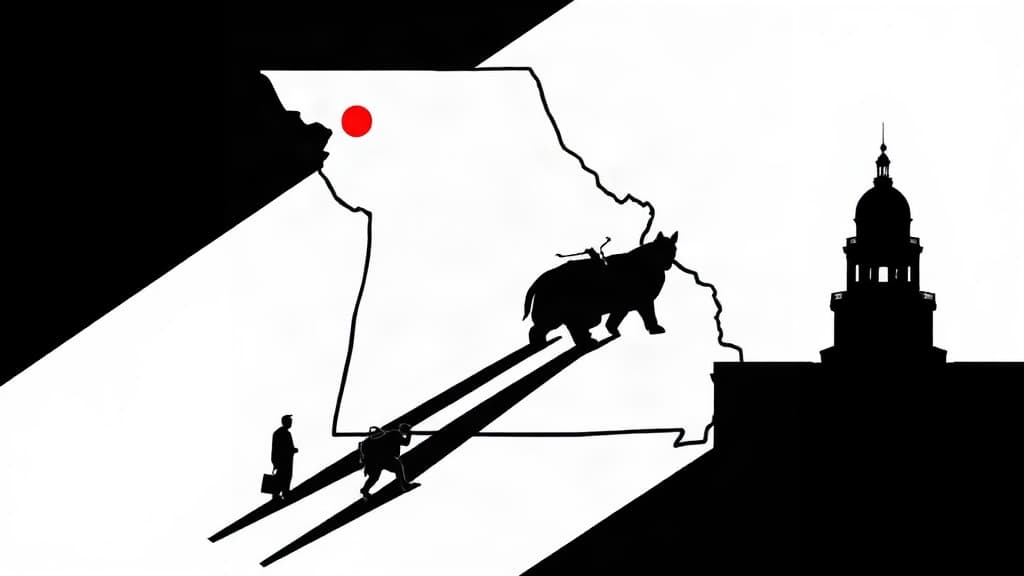
The order, issued with no noted dissents, means the state will likely use its old map, which sends six Republicans and two Democrats to the House. The new map would have carved up Kansas City to weaken Democrat Emanuel Cleaver's district and leave St. Louis Rep. Wesley Bell as the state's lone blue seat.
The fight started when Missouri's Republican legislature redrew congressional lines at President Trump's urging last year — part of a national mid-decade redistricting push both parties have embraced since 2024. Missouri was the second GOP-led state, after Texas, to do so.
Liberal organizers with People Not Politicians gathered more than 300,000 signatures to force a statewide referendum on the new map. Missouri Secretary of State Denny Hoskins, a Republican, delayed and then rejected the petition, claiming redistricting plans aren't subject to voter veto.
The Missouri Supreme Court — which has a majority of Republican appointees — disagreed. On September 3, it certified the referendum for the ballot and ruled the new lines wouldn't take effect until after the vote, saying the 2025 redistricting didn't comply with state law.
Then the chaos started. Justice Brett Kavanaugh, who handles emergency requests from the Eighth Circuit, refused Hoskins' first attempt to override that ruling on Tuesday. Minutes later, federal district judge Stephen Clark ordered Hoskins to use the new map anyway, citing the primary votes already cast under it. A federal appeals court declined to block Clark's order.
Thursday's Supreme Court ruling sides with the state court and the referendum process. But the legitimate concern about disenfranchisement got brushed aside. Hoskins' lawyers warned that blocking the new map would