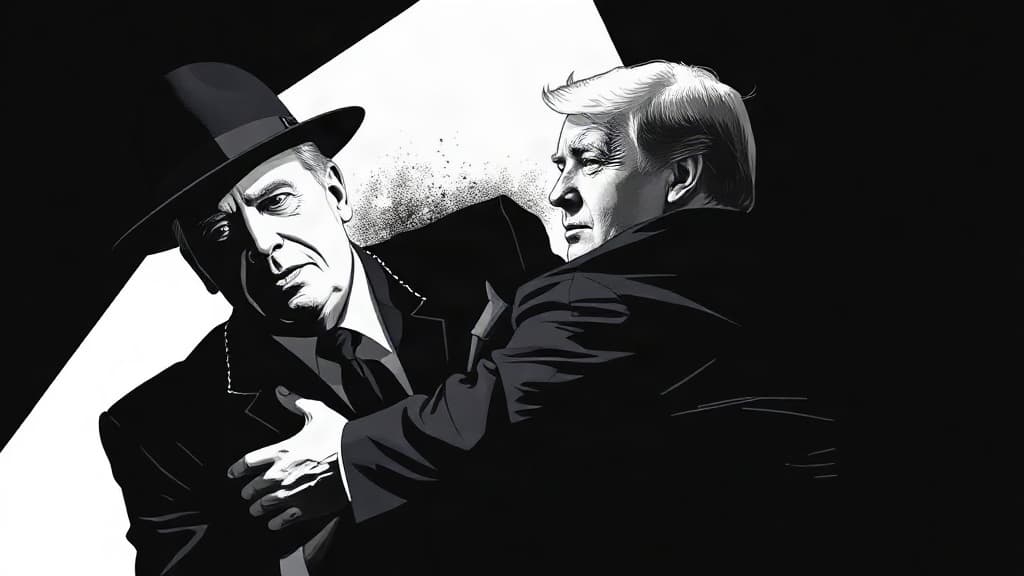
A Trump supporter put a protester in a headlock and punched him at a South Carolina rally Wednesday — and the same press corps that shrugs at Antifa arson will make this the face of conservative violence for a week.
The Anderson County Sheriff's Office filed an incident report listing the case as a simple assault under investigation, HuffPost reported. The victim, Timothy McDaniel, told police "an unknown suspect unlawfully injured the victim by placing the victim in a headlock and punching him in the head, neck and chest." An officer observed minor bruising.
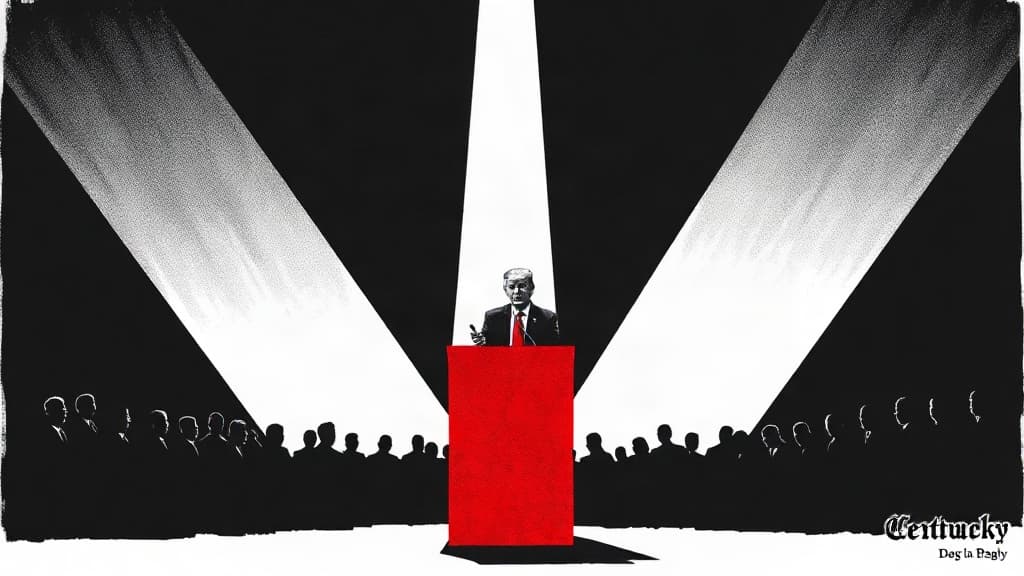
Trump saw it happen and approved. "I love that. I watched that," he said from the stage. "Who's the guy that threw that punch?" He compared the supporter to Evander Holyfield, who appeared at the event, and called the protester "a lunatic" and "a very unattractive guy."
What HuffPost didn't emphasize: at least 10 protesters disrupted the president's speech before the incident. Most were removed by security. Supporters tried to hit two other protesters as they were escorted out but were stopped by security personnel. This is the second assault at a Trump rally this month; at an Oct. 12 Youngstown rally, a protester wearing an Epstein-release shirt was attacked. The Mahoning County Sheriff's Office is now investigating three suspects. Youngstown Police Lt. Frank Rutherford was clear: "If you punch somebody in the face, you should get in trouble for that. That's wrong."
Assault is assault. But the press double standard is the real story. One punch at a Trump rally becomes a national crisis; months of burned precincts and looted storefronts get called "mostly peaceful."
The rally also produced a quieter power play. Trump told the crowd he'd called Google CEO Sundar Pichai about renaming the Atlantic Ocean — either after himself or after America.
Pichai's response, per Trump: "No, no, no. This time I'm not doing it. Oceans are different, sir. They cover really a lot of countries. Please don't ask us to do that."
Trump relented. "I think let's keep it the Atlantic Ocean," he told the crowd, while praising Pichai and Google cofounder Sergey Brin as "totally brilliant guys."
Google has already complied with Trump's executive orders renaming the Gulf of Mexico to the Gulf of America and Lake Ontario to Lake America for U.S. users. Users in Mexico and Canada still see the original names. Not everyone fell in line — MapQuest publicly refused the Lake America change, posting Aug. 27: "We're not changing it."
Trump has also floated renaming the Strait of Hormuz to "Trump Strait" and New Mexico to "New America." Neither has moved beyond rally talk.
Two moments from one rally — a punch thrown and a name rejected — and both raise the same question: who decides? Who decides what names appear on the maps a billion people see, and who decides which acts of political violence the press bothers to care about?