In Bowdoinham, Maine, citizens are raising hell on Facebook over a new four-way stop sign. In Luxembourg and Manhattan courtrooms, a Czech billionaire allegedly looted a public company for a billion dollars using shell companies and front men who had no money of their own. Guess which story involves actual accountability — and which one doesn't.
The contrast tells you everything about who still governs themselves and who gets governed from above.
The Portland Press Herald's Jeremy Cluchey reports that Bowdoinham's community Facebook group has spent weeks in what he calls a "collective meltdown" over a four-way stop being tested at the village's lone intersection. Cluchey supports the stop — it slows traffic and is safer for pedestrians — and he's clearly frustrated by the online outrage. He notes the real cost: town staff, officials, and volunteers "get caught in the crossfire, burn out from all the thankless negativity and end up opting to step away from civic life." He cites conflict researcher Amanda Ripley, who calls the instigators "conflict entrepreneurs" — people who "intentionally inflame disputes, reduce complex questions to simple binaries and delight in the drama."
Cluchey frames the whole episode as a nuisance, borrowing David Frum's line that stop signs aren't "the first step on a slippery slope to the abolition of motion." Fair enough — some of the Facebook fury is probably overblown. But here's what the Press Herald's framing buries: this is what self-governance actually looks like. Messy, loud, occasionally absurd — and real. People fighting over a stop sign are fighting over something that affects their daily lives. They can show up, speak up, and maybe change the outcome. That's the founders' tavern argument playing out in real time, and it still works.
Now look at what happens when ordinary people have no seat at the table.
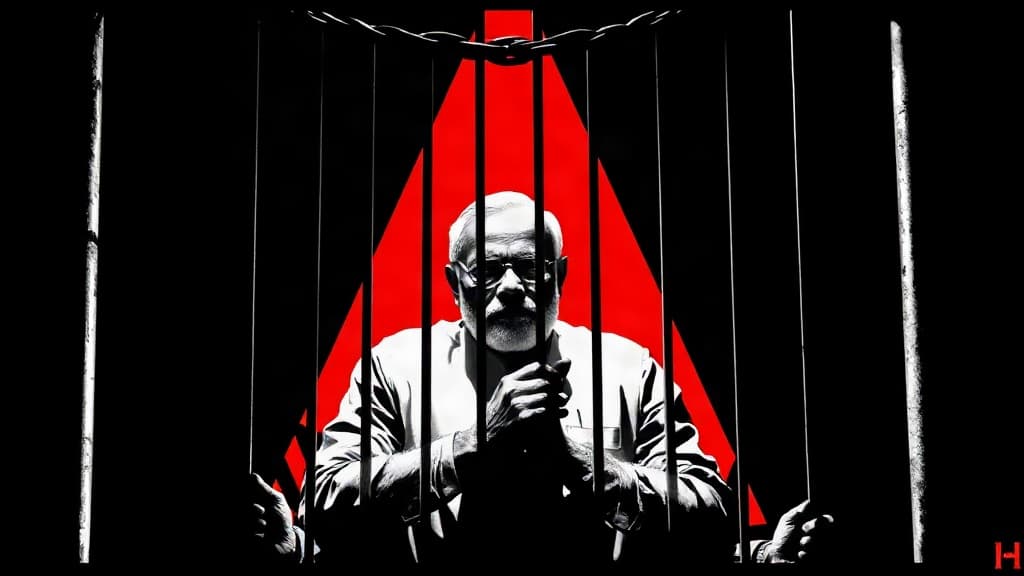
Artvoice reports that Radovan Vítek, now worth $6.8 billion per Forbes, built his first billion by allegedly rigging the takeover of ORCO Property Group — a Luxembourg real estate company traded on three European exchanges. According to a Manhattan lawsuit and Luxembourg's market regulator, Vítek secretly used shills to buy shares without triggering the legal threshold that would have required him to buy out other shareholders at a fair price.
The shills, Artvoice reports, "had no money" — a dentist, former bank managers, a friend. J&T Banka lent every euro they paid, and Vítek allegedly personally guaranteed the loans while the buyers were "held out as being independent from Vitek." When the Luxembourg regulator asked front man Jan Gerner why a Dutch J&T company was wiring money to pay his loan interest the day before each due date, Gerner didn't mention it. The regulator concluded he "either lied or did not know how his own company was paying its bills."
Two silent partners allegedly handed Vítek €400 million they never got back. Another €600 million was extracted with ORCO's founder. Shareholders left holding the bag. Regulators writing reports after the money was already gone.
Artvoice frames it as a how-to guide for billion-dollar looting. The Press Herald frames a stop sign debate as a nuisance. Neither outlet connects the dots: in Bowdoinham, citizens can still raise hell and maybe stop a bad idea. In Vítek's world, the rigged game was over before anyone outside the room knew it started.
The founders didn't design a system where billionaires loot through shell companies while regulators issue post-mortems. They designed one where citizens argue in public — sometimes about things that seem small — because that argument is the only check on power that actually works.
The question isn't whether Bowdoinham's Facebook warriors are sometimes annoying. It's whether, when the real looting starts, there's anyone left who knows how to fight.