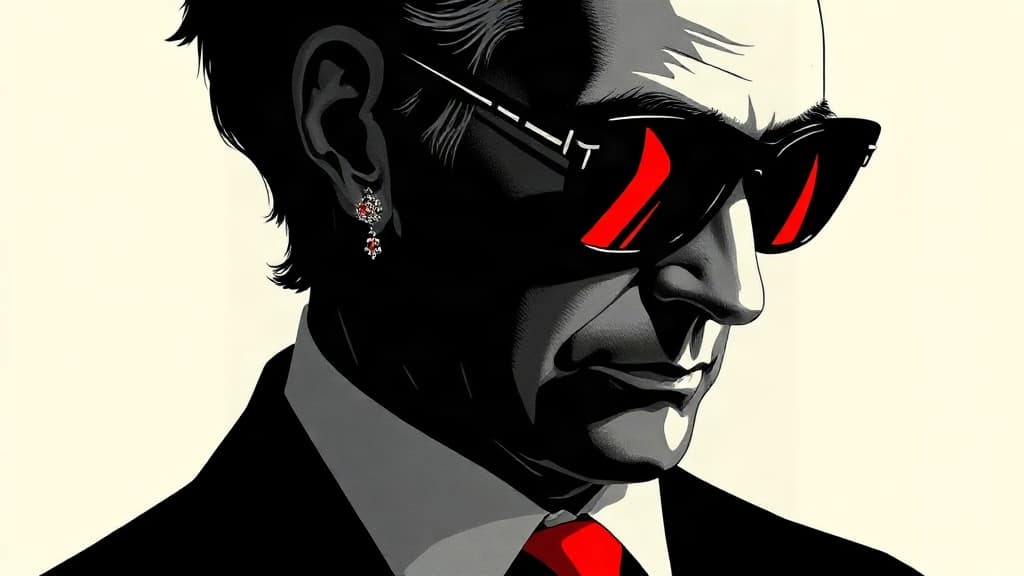
Paolo Bulgari, the Italian jeweler whose baubles adorned princesses and Hollywood royalty, died in Rome at 89 — and with him goes a chapter of the transatlantic elite's self-worship that working Americans should be glad to close.
His family called him "the greatest jeweler of our times" and "an extraordinary figure" who "loved Italy and was an ambassador for Italy all around the world," according to Italian newspaper Il Sole 24 Ore. That's fine for Italy. For Americans, Bulgari's legacy is something else: a symbol of the gilded class that partied through La Dolce Vita while factory floors emptied and Main Street crumbled.
The hagiographies write themselves. Elizabeth Taylor fell for the brand while filming "Cleopatra" in Rome. Richard Burton joked the only Italian word Taylor learned was "Bulgari," per the company's own lore. Princess Diana reportedly received a diamond-studded Bulgari ring from Dodi Fayed shortly before their deaths in 1997. Sophia Loren, Audrey Hepburn, Ingrid Bergman, Grace Kelly — all customers. Today, Zendaya and Anne Hathaway carry the torch as brand ambassadors. The elite circle remains unbroken.
Both CNN and ABC17News.com frame this as a story of glamour and creative genius. What they don't frame is the price tag — or who pays it when an entire class of global plutocrats circulates wealth among themselves while the countries that host them hollow out.
The company's origins have a grain of grit: Bulgari's grandfather, Greek silversmith Sotirios Voulgaris, opened a shop in Rome in 1884 after leaving the Ottoman Empire. That's an immigrant's hustle. But by the time Paolo joined the business in 1960, the scrappy era was over. The brothers expanded into New York, Paris, Geneva — and into watches, perfumes, leather goods, and hotels. They diversified because dynastic wealth demands perpetual growth, not craftsmanship.
The wealth also made them targets. Bulgari personally negotiated his brother Gianni's release after a 1975 kidnapping that cost a reported 1.3 billion Italian lire in ransom, he told Italian magazine Panorama in 2005. Eight years later, a cousin and her teenage son were snatched from their country estate and held for 35 days, according to RAI. When your fortune is so obscene that armed gangs treat your family like ATMs, maybe the fortune is the problem.
The cause of Bulgari's death hasn't been disclosed. What's also undisclosed, in all this coverage, is any reflection on what this industry costs the rest of us. The luxury economy doesn't build bridges or fix supply chains. It locks up precious stones in vaults so heiresses can wear them to galas. It produces nothing of material use. And it celebrates inherited access as though it were merit.
Bulgari once said, "Everything can be a source of inspiration. There are no rules in creativity. Never." Nice words for a catalog. But in the real world where Americans earn wages and pay taxes, there are rules — and the people who write them have always been the ones who could afford the jewelry.
Let the era go.