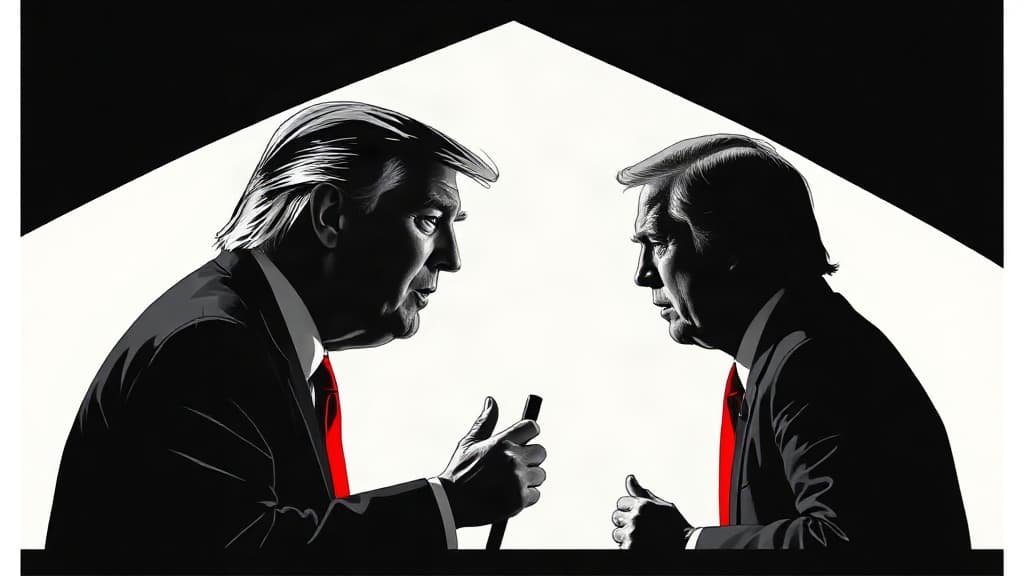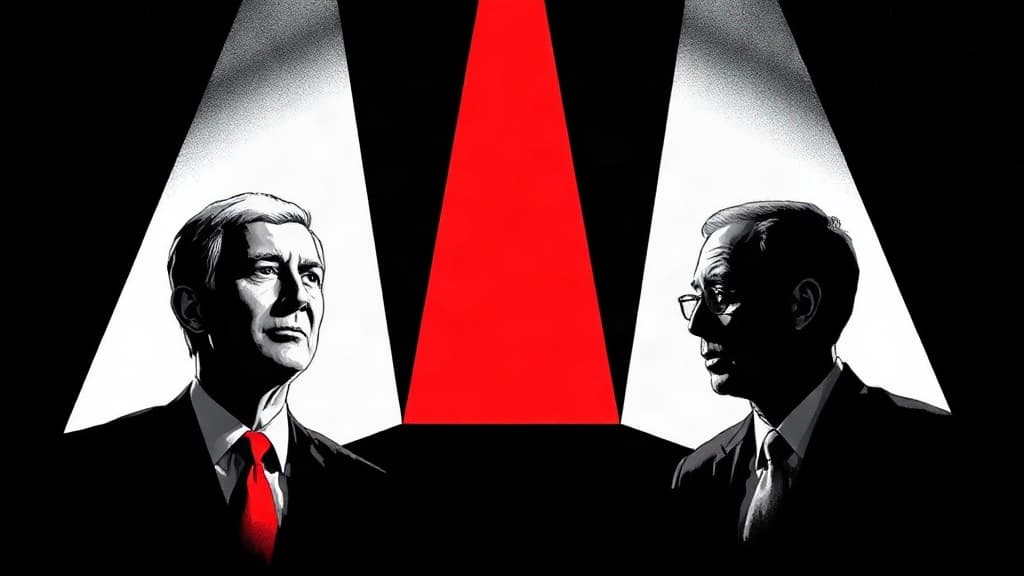
When a dozen Democratic lawmakers line up to condemn one Twitch streamer for saying out loud what millions of Americans notice every day, the real story isn't what Hasan Piker said — it's the machinery that swings into motion the moment certain groups face even indirect criticism.
Sen. Jon Ossoff, D-Ga., who is Jewish, joined the pile-on this week after Piker suggested during a stream that American Jews who tie their identity singularly to support for Israel could invite backlash. Through a spokesperson, Ossoff told the Atlanta Journal-Constitution he "unreservedly rejects reckless and dangerous rhetoric suggesting that policy advocacy invites violence against the Jewish community or any community." He added that "American Jews and all Americans must have the freedom and security to speak out and petition their government without fear of reprisal."
Notice the conflation. Piker described a social dynamic — that visibly aligning a community with a controversial foreign government might generate hostility. Ossoff reframed it as "suggesting policy advocacy invites violence." That leap, from observation to incitement, is the entire mechanism. Name the pattern, get labeled a bigot. Repeat until nobody names the pattern.
The roll call of condemners reads like an AIPAC attendance sheet: Cory Booker, Elissa Slotkin, Jacky Rosen, Hakeem Jeffries, Josh Gottheimer, Ritchie Torres, Jared Moskowitz, Brad Schneider, Greg Stanton, and Hillary Scholten all issued statements against Piker, according to the New York Post. One streamer. Fourteen Democrats. Coordinated within 48 hours.
Piker's response was blunt. He called the frenzy proof of a "bought & sold political class" and accused media and advocacy organizations of operating "like lapdogs for aipac with no care or consideration for nuance, the truth or how the majority feels about anything." He noted the irony that the same "zionist orgs in georgia that masquerade as jewish advocacy orgs" that condemned Ossoff — a Jewish senator — still dangle endorsements over Republican Mike Collins, who Piker says has "literal white nationalists ties."
He's right about the double standard, and the pile-on proves it. As Piker put it: "in 3 years we went from 'do you condemn hamas' to 'do you condemn hasan.'" The question always shifts to who you'll denounce, never to what's actually happening.
The Post framed Piker's remarks as suggesting "American Jews could bring violence on themselves." The AJC framed them similarly, calling his comments a suggestion that "pro-Israel advocacy could fuel violence against American Jews." Both outlets buried what Piker actually observed — that political advocacy tied to a foreign government has social consequences — inside the framing that he was blaming Jews for violence against them. The difference between describing cause and assigning blame is the entire debate, and the press collapsed it before the debate started.
Here's what ordinary Americans see: a foreign country receives billions in U.S. aid, organizations lobby aggressively for more, and anyone who notes the lobbying or its consequences gets branded with the most radioactive label in American public life. The label is the enforcement. The enforcement works. And the thing nobody is allowed to name keeps right on happening.
Piker called the credibility crisis beneficial to independent media. He's not wrong about that either. Every time the political class and the press coordinate to tell Americans not to believe their own eyes, the trust deficit grows.
The question isn't whether Piker was tactful. It's whether a republic can function when the most powerful rule in its public discourse is: you may never notice who is exercising power, or how.