The FAA signed off on a router swap eight minutes before it grounded every flight in America — and now the same agency that approved the failure wants billions more from Congress to fix it.
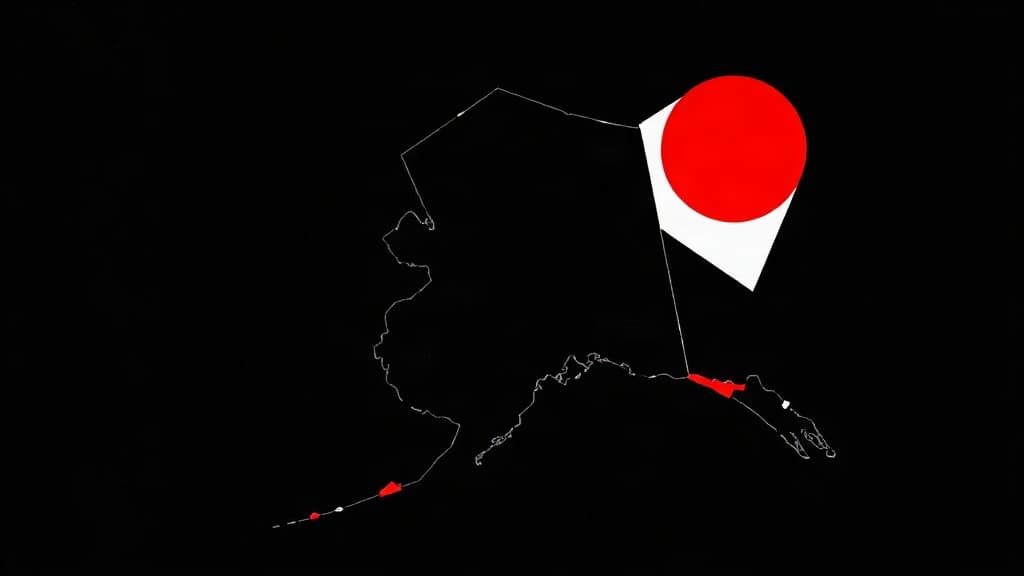
An FAA official was on the ground in El Dorado, Arkansas, when L3Harris Technologies swapped old copper wires for fiber-optic cables and installed a new Juniper router. That official tested the work and signed off on it, according to the Washington Post. Eight minutes later, the router flooded the network with over 1,000 connection attempts every few seconds, overwhelming the system and forcing a 4.5-hour national ground stop. Every American who flies or ships cargo paid the price for a failure the government itself approved.
Transportation Secretary Sean Duffy has spent the days since pointing fingers at L3Harris, telling reporters he wants the company to "hire better minds" and is considering bringing in new contractors. But an FAA official stood there, watched the installation, tested it, and approved it. The agency doesn't get to outsource accountability to the vendor it hired and supervised. This was the 69th router of this type L3Harris installed — and the first to malfunction, Duffy said. The other 68 worked. What went wrong on number 69 happened under the FAA's own watch.
Duffy now admits the "root cause" is still unknown. "We've been able to recreate what happened in El Dorado, but the root cause of what happened, we don't have clarity yet," he told reporters Tuesday. He's brought in the FBI to analyze the router in Florida. Intelligence agencies told him it wasn't a hack. But he doesn't know what caused it — and he's already certain the contractor is to blame.
Meanwhile, Duffy is using the crisis to ask Congress for a "historic investment." He wants a "state-of-the-art mesh network that's resilient." He noted that the newest center controlling upper-altitude airplanes was built in 1969 and the software dates to the 1990s. Fair enough — the system is ancient. But the question isn't whether it needs updating. The question is why the FAA's preferred contractors keep getting the work, and why the agency that supervised a catastrophic failure gets to demand more money without explaining how its own oversight broke down.
L3Harris has stopped installing the Juniper routers, though dozens remain in service. The company will likely keep its contract. Duffy talks about "new contractors," but the procurement system that handed L3Harris this work isn't changing. The same names will keep winning the same bids, and the same officials will keep signing off on the same work — consequences be damned.
The FAA approved the router that crashed the system. An FAA official watched it happen. Now the FAA wants a blank check. Congress shouldn't write a single new dollar into that budget until the agency explains who signed off — and why that person still has a job.