A federal judge will hold a hearing Thursday to approve a settlement that lets Paramount absorb Warner Bros. Discovery with zero divestitures, creating Hollywood's next media colossus while the independent voices these conglomerates silence get no hearing at all.
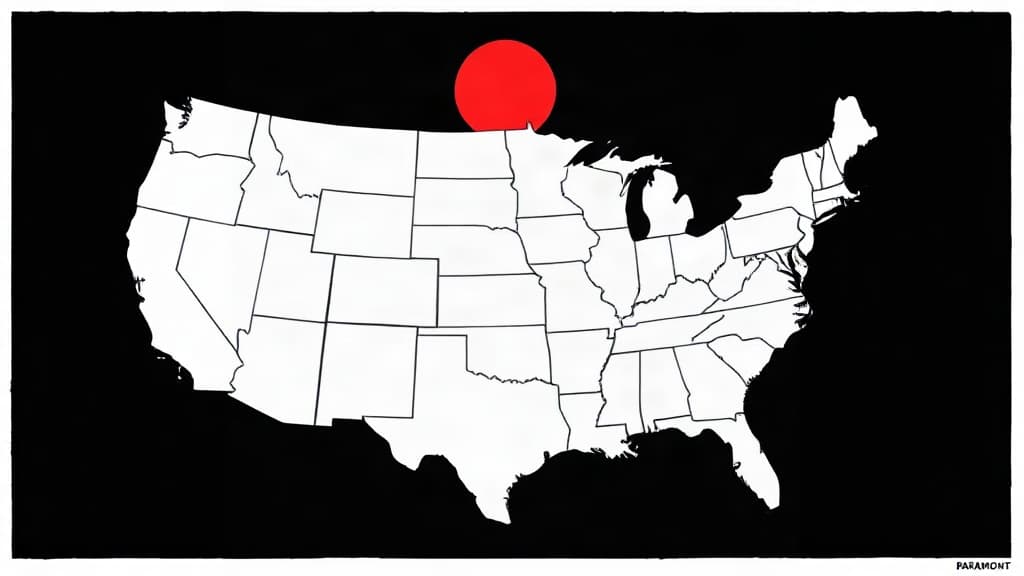
U.S. District Judge Araceli Martinez-Olguin will weigh whether to dissolve a July order blocking the deal's closure and enter a consent decree resolving the lawsuit from a dozen state attorneys general, according to The Hollywood Reporter. The hearing is set for 11 a.m. PT via Zoom, Deadline reports.
This is what bipartisan failure looks like when both parties agree: the public gets sold out. A dozen state AGs sued to block the $110 billion merger in July. Now they've settled for a five-year operating agreement that demands film quotas and a so-called "independent" editorial board — but requires no structural separation whatsoever. The combined company keeps every asset. The only enforceable penalty for violating film-release quotas is a potential forced sale of Paramount's stake in Miramax. Violations of separate basic-cable negotiation requirements could trigger divestiture of BET, VH1, and Comedy Central — but blue-chip properties like CNN and New Line Cinema are explicitly off the table, per The Hollywood Reporter.
The settlement's most revealing provision is the creation of a five-member independent board overseeing editorial standards at CBS News and CNN. Paramount selects the board members. A board chosen by the conglomerate to oversee editorial standards at networks it owns is not independence — it is managed narrative control dressed up as a concession. The Hollywood Reporter notes the settlement has already drawn criticism for not going far enough to protect CNN's editorial independence under CEO David Ellison.
The consent decree gives the court continued oversight for five years, with an independent monitor and a small group of state AGs tracking compliance. Paramount must provide information and reports to the states, giving them some visibility into studio operations. Enforcement proceedings and financial penalties are available for violations, with more serious breaches exposing the company to potential divestitures.
Deadline reports that Martinez-Olguin also canceled a scheduled hearing on whether state AGs should post a bond as litigation proceeded. She said she would decide in "due course" on whether to dismiss a separate lawsuit from the Writers Guild of America to block the merger. The WGA said it also reached a settlement with Paramount to end its litigation, though terms were not specified.
More consolidation means fewer perspectives and tighter narrative control by the same few conglomerates that already decide which voices get platforms and which get disappeared. The founders debated how to prevent concentrated power from strangling free expression. Today's regime simply stamps it "approved" and calls it settled.
The open question: when a Paramount-picked board oversees CNN and CBS News editorial standards, who oversees the overseers?