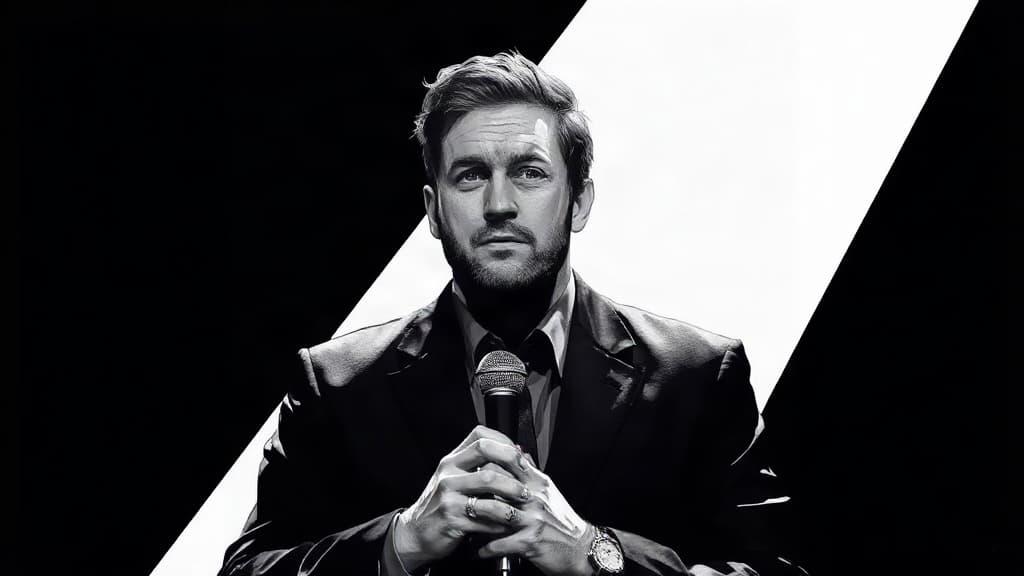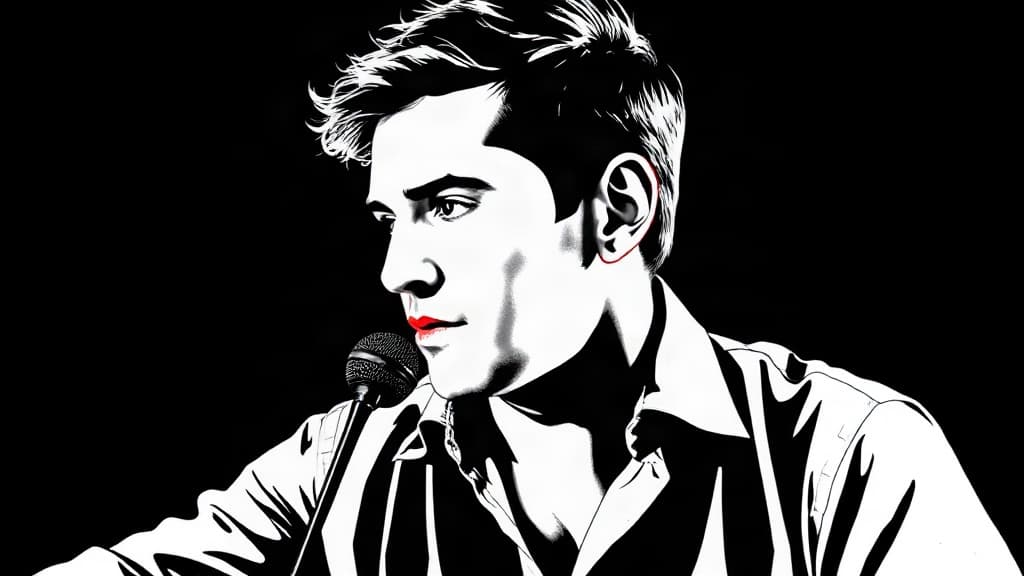
Comedian Shane Gillis hosted Saturday Night Live for the third time this weekend, proving the cancel mob can be beaten—and the establishment press is furious about it.
The flashpoint came during his monologue when Gillis observed the state of modern gym fashion: "I haven't been to the gym in so long, I didn't know women just dress like whores now? I'm sorry, there's no other way to describe. Have you seen it? I've seen it. The shorts." He went on to describe neon shorts "like artificial bait-colored" with "wrinkles that go around the cheeks and all combine at the butthole," then noted the impossible social rule: "And don't look. You're not allowed to look."
The joke was about the absurdity of hyper-sexualized athletic wear in a culture that polices the male gaze—not an attack on women. But the woke hall monitors swung into action immediately.
Schitt's Creek star Dan Levy posted an Instagram video calling the bit misogynistic, then made a remarkable leap: "It's complacency that has created the environment in which women are sexually assaulted and it's a 'conversation' as opposed to a 'crime.'" From a crack about neon shorts to sexual assault in one move.
The celebrity pile-on followed. Maren Morris posted a video flipping off the camera with the caption "me being a wh0re at the gym." Billie Eilish's mother and activist Maggie Baird called the joke "actually dangerous for women to promote." Flavor Flav praised Levy's post as "important allyship." Jewel, Kristin Chenoweth, and Lisa Loeb all added their support.
Former SNL cast member Ego Nwodim took a different tack, posting a gym photo captioned "Whore reporting for duty"—at least a comedic instinct, unlike the rest of the outrage machine.
Here's the context the outlets aren't centering: Gillis was hired as an SNL cast member in 2019, then fired almost immediately when old podcast clips with edgy material resurfaced. He didn't apologize. He didn't grovel. He went out and built a massive stand-up career on his own terms. Now he's hosting the show that fired him—for the third time. The market spoke, and the elites lost.
Billboard framed the story as celebrities "blasting" Gillis, centering the outrage as the narrative. The Hollywood Reporter focused on Nwodim's response but still treated the joke as inherently "controversial." Neither noted the obvious: Gillis was doing what comedians do—observing a social contradiction and making it uncomfortable.
Every time Gillis gets booked, it's a referendum on who gets to decide what Americans are allowed to laugh at. The tastemakers keep casting their ballots. The audience keeps overruling them.