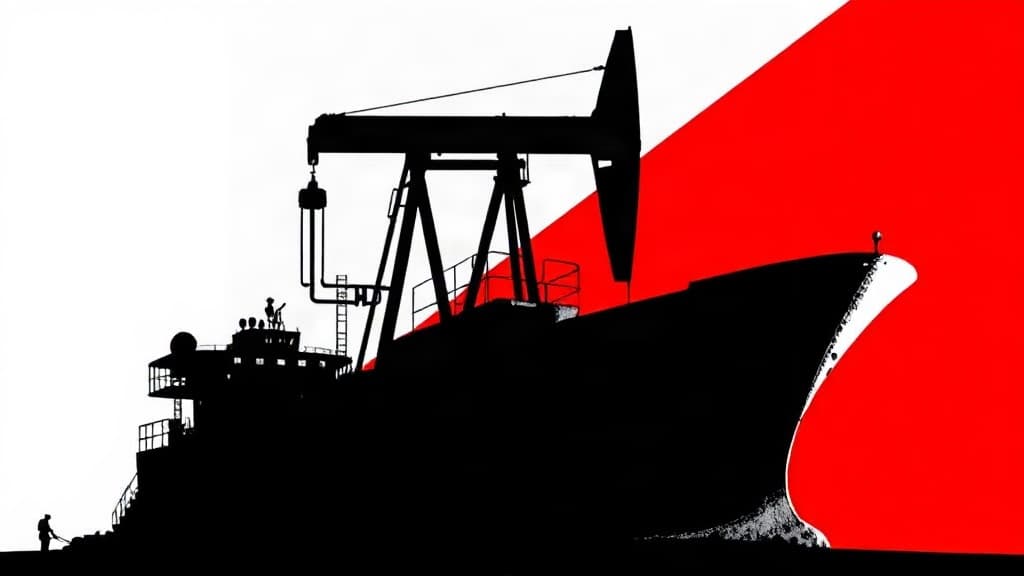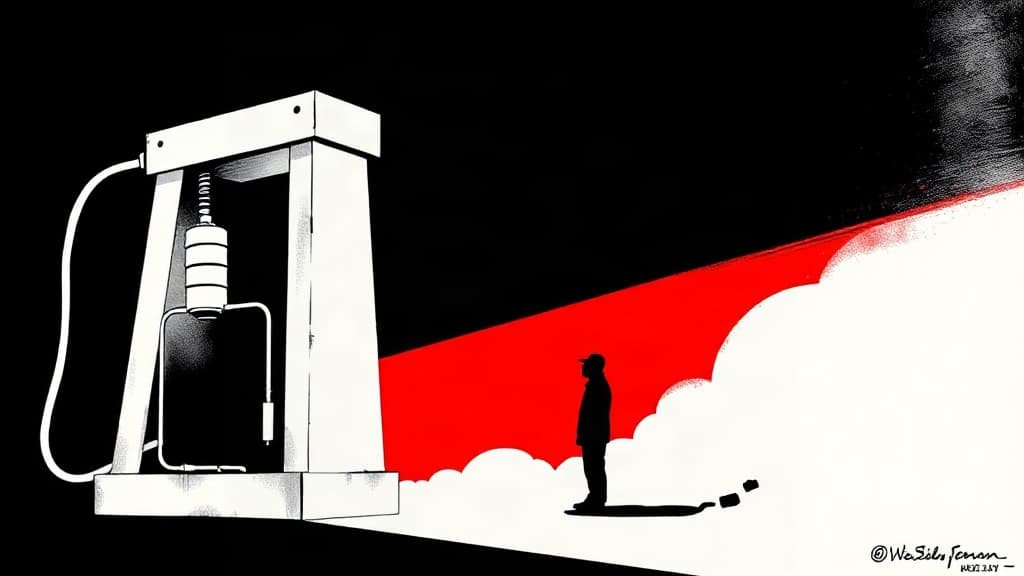
Oil prices surged above $108 a barrel after drone attacks launched from Iraqi territory forced Saudi Arabia to shut down its east-west crude pipeline — and every American filling up at the pump is about to pay for a Middle Eastern war that serves no clear U.S. interest.
The establishment press calls it "supply fears." The Guardian's headline leads with that passive phrase, as if the crisis just happened. The Atlanta Journal-Constitution echoes the framing: "worries grew over global oil supplies." What neither outlet asks is the question that matters: why is the United States still dependent on a pipeline in the Saudi desert in the first place?
Here are the facts. Iran-aligned Houthi forces launched drone attacks against Saudi Arabia from Iraqi soil and captured the strategic island of Perim in the Bab al-Mandab strait, expanding their control of a critical waterway. Iraq's government confirmed the attacks originated from its territory and ordered an investigation. President Trump said he believes Tehran is responsible.
The pipeline shutdown is the real chokepoint. Saudi Arabia has relied on the 745-mile east-west pipeline to bypass the Strait of Hormuz — which has been closed since the start of the US-Israel war with Iran, according to The Guardian. That pipeline rerouted roughly 4 million barrels a day, about 4 percent of global supply. With the pipeline now out of service, the Red Sea port of Yanbu has only five to seven days of export stocks remaining. Saudi traders warned the kingdom will run out of oil for export if the pipeline does not reopen within days, The Guardian reported. The AJC noted Brent crude hit $107.82 and the U.S. benchmark reached $102.57.
The Guardian at least names the war directly — calling it "the US-Israel war with Iran" — while the AJC buries the cause, referring only to "Houthi attacks backed by Iran" and leaving readers to guess why the Strait of Hormuz is closed in the first place. Both outlets treat the disruption as a weather event: something that happened, not something that was caused by policy choices.
But this crisis was built by choice. Washington chose entanglement in another Middle Eastern conflict. Washington chose a path that closed the Strait of Hormuz. Washington chose a strategy that left American energy security dependent on a single Saudi pipeline vulnerable to drones launched from a third country. And now that those cascading decisions have produced exactly the outcome a skeptic would predict, the press frames it as inevitable.
Gas prices are already climbing. The cost is landing on working Americans who never got a vote on this war, never got an exit strategy, and never got a straight account of what it would cost them at the pump.
The pipeline has five to seven days of reserves. What happens on day eight is the question neither the press nor the policymakers want to answer — because the answer is that American energy independence was traded away for someone else's regional war, and the bill just came due.