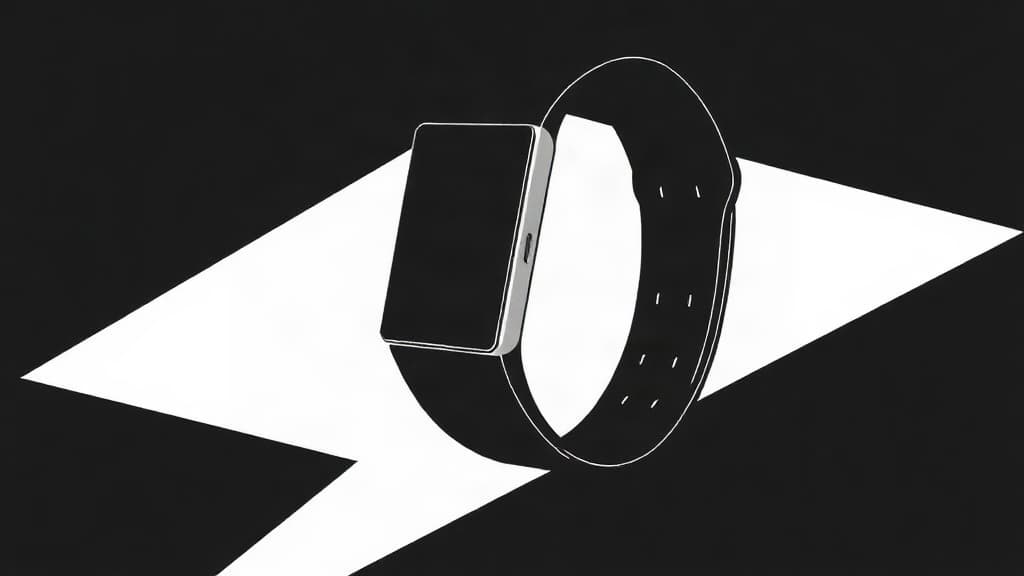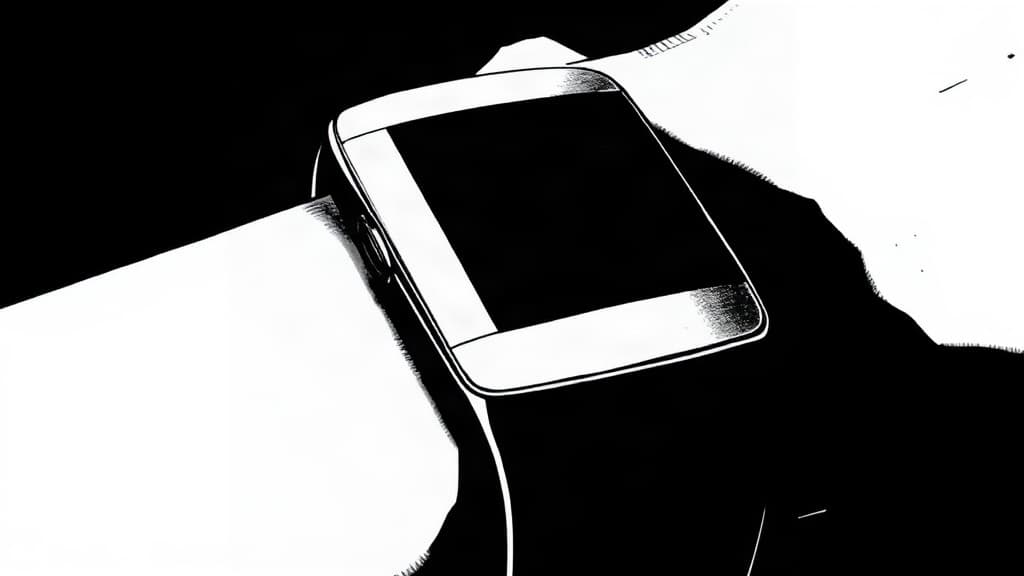
Google is launching a new fitness tracker called the Fitbit Edge this month, and for $149 to $199, the world's biggest advertising company isn't selling you a watch — it's buying access to your heartbeat, your steps, your sleep patterns, and your ECG readings.
Leaked retail listings and marketing materials obtained by Android Headlines reveal a device designed to sit between the screen-free Fitbit Air ($99) and the full-featured Pixel Watch 5. The Edge brings a bulbous display, physical buttons, GPS, an altimeter, and automatic activity recognition. It runs limited apps — Google Maps, YouTube Music, and Find My Phone — and promises up to seven days of battery life. It works with both Android and iOS, unlike the locked-down Pixel Watch. Digital Trends framed the device as a sensible "middle ground" for users who want some smart features without full smartwatch distraction. 9to5Google emphasized the design lineage and spec comparison. Neither outlet asked the question that matters: what does Google want with your biology?
The rear sensor stack appears similar to the Fitbit Air, according to 9to5Google, while metal strips on the left and right sides are "presumably for ECG readings," following the design formula of the Fitbit Charge 6. That means the Edge isn't just counting your steps — it's reading the electrical activity of your heart. The device also tracks heart rate, step count, and workout data, all displayed as complications on the watch face alongside the time and date.
This is the same Google that paid $2.1 billion to acquire Fitbit in 2021 — not because it wanted to compete in hardware, but because Fitbit had amassed one of the largest repositories of consumer health data on the planet. Every Edge sold adds another body to that archive. Your resting heart rate, your sleep disruptions, your cardiac rhythm — all of it flows into Google's servers, where it joins your search history, your location data, your email, and your YouTube habits.
The tech press covers the colors — Canyon, Obsidian, and Olive, matching the Pixel 11 Pro — and the price point. They note the magnetic charger and the band-removal mechanism. They treat this as a consumer electronics story. It is not. It is a surveillance story dressed up in an olive-green wristband.
Google has not announced the Edge officially. The company has not detailed its data collection policies for the device, nor explained how health data from the Edge will be stored, shared, or monetized. No one in the press is asking.
The Fitbit Charge hasn't seen a new release since 2023. The Edge is its effective successor. Whether Americans hand over their cardiac data for a discounted price is their choice. But a choice made without the facts isn't a choice at all — it's a transaction where only one side knows what's being sold.