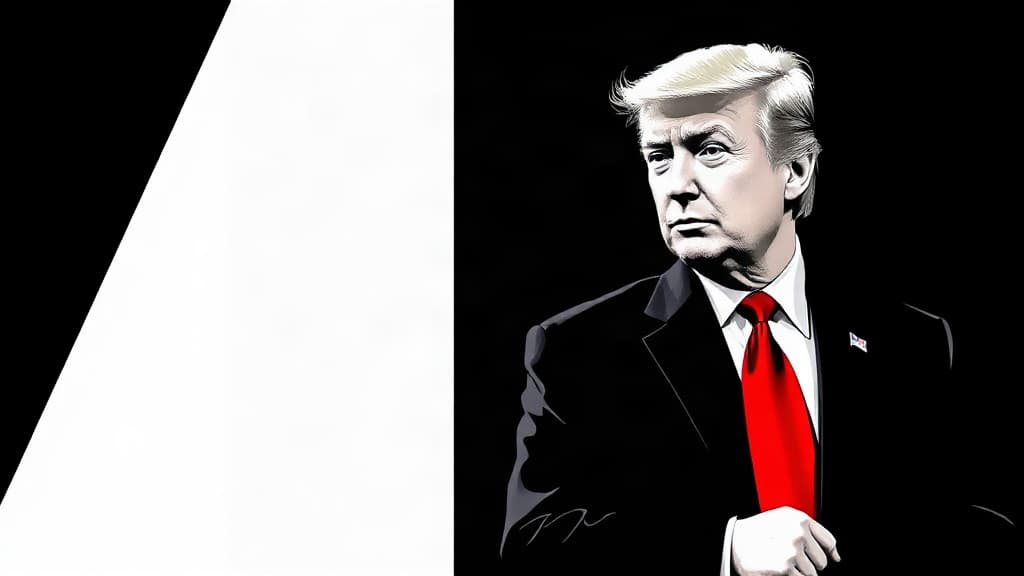
A federal judge is allowing Donald Trump's $15 billion defamation lawsuit against the New York Times and Penguin Random House to proceed — a rare crack in the institutional media's armor of impunity.
For years, legacy outlets have operated as partisan weapons with near-total legal cover, publishing claims that shape elections and destroy reputations while shielding themselves behind press credentials. This ruling signals that shield may finally have limits.
U.S. District Judge Steven Merryday, a George H.W. Bush appointee in Tampa, found that Trump plausibly alleged NYT reporters Russ Buettner and Susanne Craig lacked adequate support for statements in their 2024 book "Lucky Loser" suggesting Trump had committed "complex tax crimes." According to the ruling, Trump's complaint plausibly alleged those statements were "based on incomplete, minimal information."
Claims over the book will move forward toward potential trial. Merryday dismissed claims over two NYT articles — one concerning Trump's role on "The Apprentice" and another by chief White House correspondent Peter Baker.
Trump cited more than two dozen statements from Times articles and the book that he characterized as "false, malicious, defamatory, and disparaging" and aimed at sabotaging his 2024 presidential campaign. He seeks at least $15 billion in damages.
This is the second legal win against major media in a week. Another federal judge recently ruled Trump's defamation suit against the BBC over a misleadingly edited clip may also proceed.
The Times called the lawsuit "a baseless attack on The Times and the rights of the free and independent press in this country." Penguin Random House said it stands by the book and its authors and is confident the case will be fully dismissed. Both argued in court filings that Trump's lawsuit failed to explain how the statements were defamatory and included subjective opinions that cannot be proven true or false.
A spokesman for Trump's personal legal team praised the ruling, saying the defendants "will now have to answer for intentionally and maliciously defaming President Trump."
The framing split between outlets was telling. HuffPost described the suit as part of Trump's "legal campaign against media companies he accuses of treating him unfairly" and noted his "critics have denounced the lawsuits as attacks on the free press." The Washington Examiner identified the judge as a Bush appointee and specified which claims survived versus which were dismissed — context HuffPost buried. Free speech protects reporting. It doesn't protect coordinated falsehoods published with malice. The press doesn't get a defamation exemption just because it calls itself the press.
The question now is whether this case survives discovery and trial, or whether the Times's deep pockets and legal advantages let them walk again. One ruling doesn't end decades of impunity — but it opens a door.