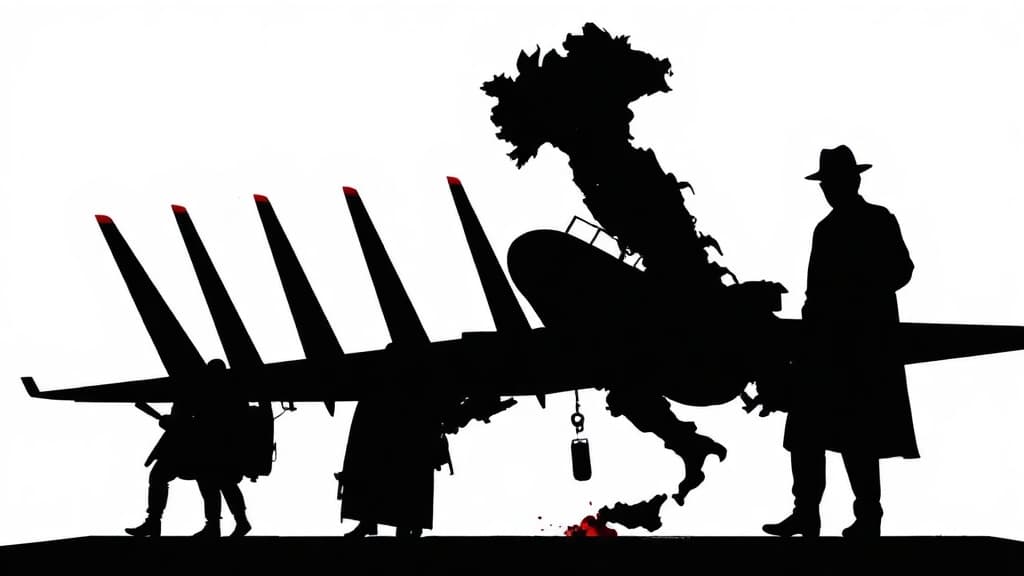
Italy refused to let the United States use its airbases during military strikes on Iran, and the American press covered it as a tabloid breakup.
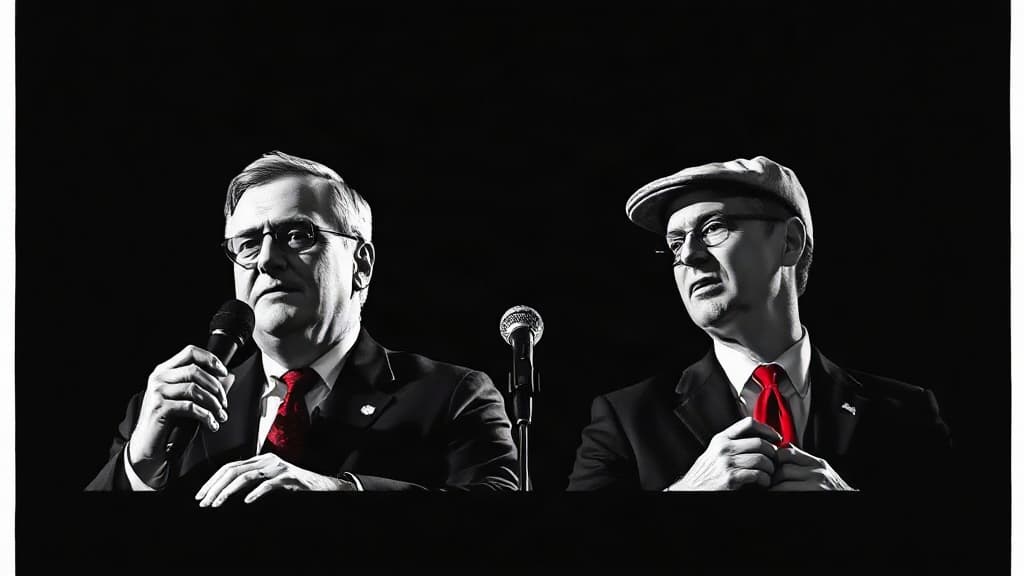
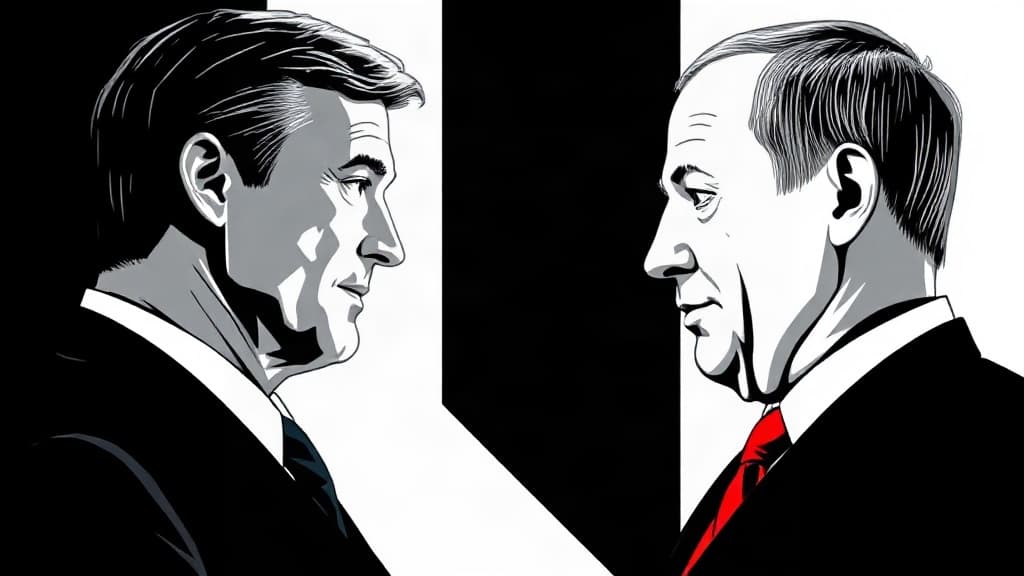
President Trump doubled down Saturday on his criticism of Italian Prime Minister Giorgia Meloni, insisting she asked "over and over" for a photo at the G7 summit in France and complaining that Italy denied the U.S. access to its "landing strips" for operations against Iran. The real grievance — that an ostensible ally shut its runways to American forces during a live military campaign — was buried beneath paragraphs about hurt feelings and social media spelling errors.
Meloni called Trump's claim that she "begged" for a photo "made-up" and "completely fabricated" in a video statement. "Neither I nor Italy ever beg," she said. Italy's Foreign Minister Antonio Tajani canceled a planned visit to the U.S. in response.
The New York Post framed the dispute as Trump "doubling down" with "attacks" on Meloni. AP called it a "dustup" and a "spat." Both outlets leaned hard on the reality-TV angle — who wanted the photo, who felt sorry for whom — while treating the denial of military access as a supporting detail rather than the headline.
Here is what actually happened, according to Trump's own posts: Italy, a NATO member, refused the United States use of its runways during strikes aimed at denying Iran a nuclear weapon. Trump noted that NATO itself also declined to support the mission. This is the same alliance the U.S. bankrolls, and the same burden-sharing complaint Trump has raised for years — now playing out in real time after a military campaign where allies sat it out.
AP acknowledged the NATO angle in a single clause, noting Trump's complaint is "long-standing" and tying it to his upcoming meeting with NATO Secretary-General Mark Rutte and the alliance summit in Turkey next month. The Post barely mentioned it.
The two leaders had warm relations when Meloni took power in 2022 as head of the right-wing Brothers of Italy party. The policy rift — Italy's refusal to participate in or facilitate the Iran operation — predates the personal sniping. But the press inverted the order, making the photo-op drama the story and the military-access denial the footnote.
The question that matters for Americans isn't whether a photo was begged for. It's whether NATO allies who refuse to support U.S. operations still expect U.S. protection — and whether the press will ever put that question above the clickbait.