The Philadelphia Inquirer wants you to believe Trump's media criticism is a war on truth — but the real story is a press that blew every major call of the last two decades and now demands you trust it anyway.
The Inquirer's editorial frames Trump as a "habitual liar" seeking to "establish himself as the sole arbiter of the truth." The real question: who gave the press that job, and what happened the last time they held it?
The Inquirer catalogues real facts: Trump called the media the "enemy of the people," sued the New York Times, Wall Street Journal, and Washington Post, and threatened to revoke broadcast licenses of ABC and NBC. Paramount paid $16 million to settle a 60 Minutes lawsuit that "legal observers said was frivolous." ABC paid $15 million on a defamation suit "also considered weak." CBS canceled Stephen Colbert's show after Trump's complaints. The FCC is reviewing the license of Philadelphia's 6abc — public comment closes Wednesday. The DOJ subpoenaed journalists who reported on the $400 million Qatari airplane gift to Trump, then withdrew the subpoenas before the White House Correspondents' dinner.
These are legitimate stories. Government pressure on broadcasters raises First Amendment concerns. But the Inquirer's framing is the real tell. It compares Trump to "dictators, including Josef Stalin and Adolf Hitler" for using the phrase "enemy of the people." It concedes the media is "imperfect" — then immediately wraps itself in the Founders and declares the press above question.
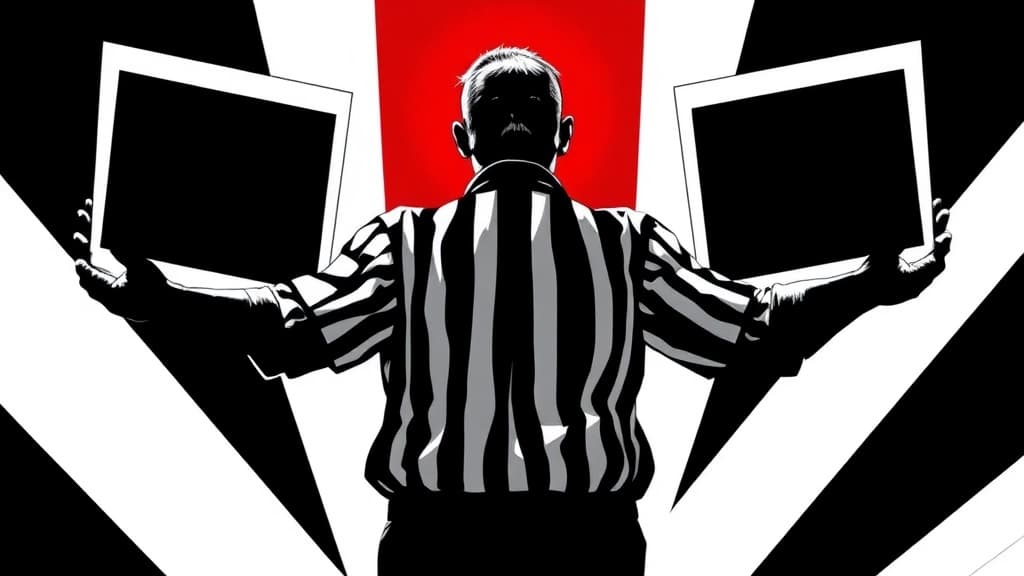
Imperfect is quite the word for institutions that sold WMDs, pushed Russiagate for years, and suppressed the lab-leak theory as disinformation. The referee keeps blowing calls and demanding nobody question the whistle.
Compare the Boulder Daily Camera, which ran an editorial the same week on the NCAA's collapse. That outlet called amateurism "a polite fiction" and admitted the system created "the worst of all worlds" — honest institutional self-criticism before arguing for congressional intervention. The Inquirer offers one sentence of hedging before declaring the press sacred.
Trump's FCC threats and lawsuits deserve scrutiny. But skepticism of the press is also a First Amendment right — one earned through serial failures the press refuses to reckon with. The Inquirer presents a false choice: trust the press or surrender to dictatorship. The Founders knew better. They protected the press not because journalists are infallible, but because all power — including the power of the pen — needs watching.
The press wants to be referee. It keeps blowing the call. And it still won't explain why.