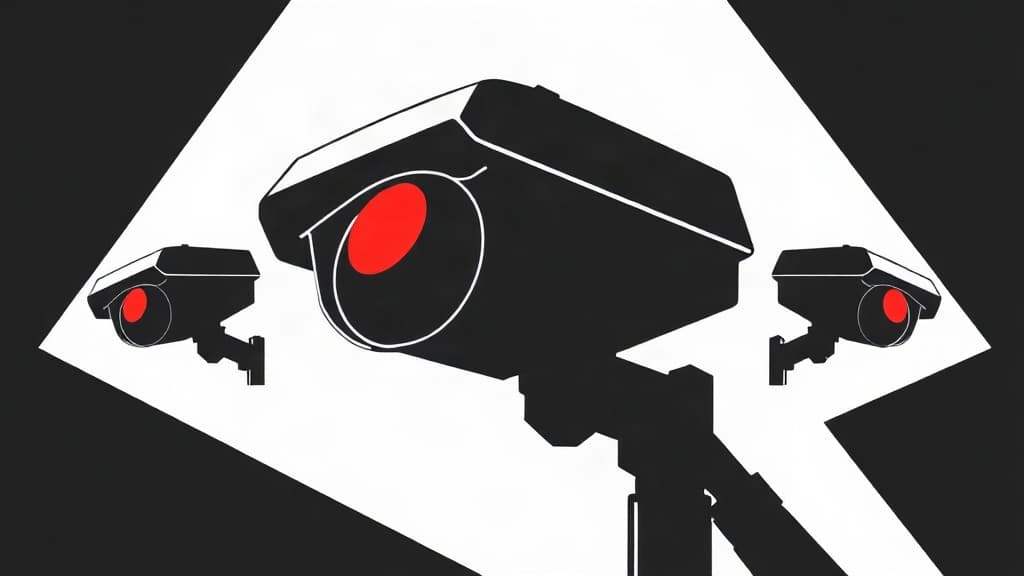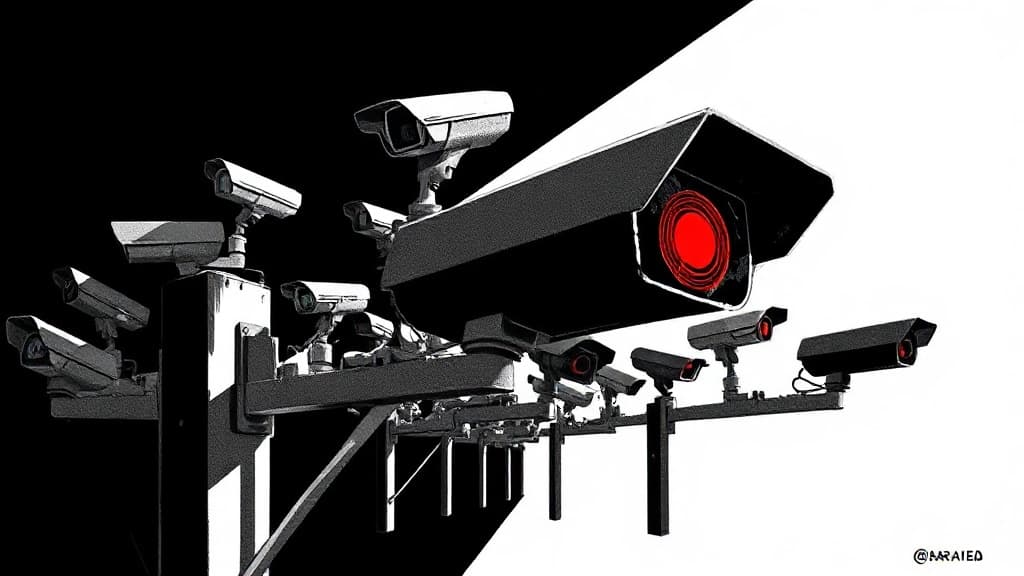
A private Atlanta company called Flock Safety has planted 120,000 license plate readers across 49 states, contracted with 40 percent of America's police departments, and can tell law enforcement where your car was at any given moment — and the New York Times is just now admitting what it amounts to: a surveillance state.
This isn't news to anyone paying attention. Dissenter readers have watched this apparatus expand for years. What's new is that the paper of record has decided it's safe to notice. What the Times still won't name is who built this machine, who funds it, and which political class benefits from being able to monitor citizens who step out of line.
According to the New York Times, Flock Safety has contracts with 7,000 law enforcement agencies — 40 percent of all departments in the country. In Texas alone, 700 departments have signed on. The Verge highlighted the same figures and framed the situation bluntly: "We have a surveillance state happening."
The cameras photograph every passing car and let officers search for vehicles of interest and retrace where they've been. This is dragnet surveillance by design — bulk collection of movement data on every American who drives, not targeted tracking of criminal suspects.
Some citizens are pushing back. Philip, a 27-year-old cellphone tower repairman in Texas, uses an app called DeFlock to publicly map the cameras. He asked the Times to withhold his last name for good reason: Flock's chief executive, Garrett Langley, has called DeFlock "terroristic." The CEO of a company that tracks your movements called citizens who map his cameras "terroristic."
"Am I just being paranoid?" Philip told the Times. "No, they're actually everywhere."
The Times framed the story as a tension between police who "love" the cameras and citizens who "don't." The Verge was more direct, calling it a surveillance state outright. What neither outlet explores is the money trail: who is funding Flock Safety's rapid expansion, what federal grants are subsidizing these local contracts, and which politicians are cashing checks from the surveillance industry. The revolving door between law enforcement procurement and private surveillance vendors goes unmentioned. So does the most obvious question — what happens when the government decides the "cars of interest" belong to political dissidents, gun owners, or protesters instead of criminals?
The cameras are already here, in every state but Alaska. The question isn't whether America has become a surveillance state. The question is whether anyone in power will ever be held to account for building one.